If you play games on an Xbox console and you don’t like Microsoft’s AI, you can breathe a little easier: Asha Sharma, CEO of Xbox, announced Tuesday that Copilot is no longer coming to the company’s consoles.
In an X post, the executive said the division needs to move faster, “deepen our connection with community, and address friction for both players and developers.”
Toward that goal, Sharma said, “You’ll see us begin to retire features that don’t align with where we’re headed. We will begin winding down Copilot on mobile and will stop development of Copilot on console.”
Xbox needs to move faster, deepen our connection with the community, and address friction for both players and developers. Today, we promoted leaders who helped build Xbox, while also bringing in new voices to help push us forward. This balance is important as we get the business…
Last year, Microsoft was so optimistic about its Copilot AI plans that it announced it was bringing the artificial intelligence technology to all its gaming platforms across PC, mobile devices (including Xbox portable consoles like the ROG Ally X) and Xbox game consoles. Among other things, the AI was meant to help gamers find gameplay tips or walkthroughs.
Despite the investments Microsoft has made in its Copilot AI tech, it has not been warmly welcomed by gamers or PC users. The company has had to scale back on some of its Copilot plans for Windows, even as it has tried to get people excited about new AI features in its flagship products, such as Microsoft 365, that it expects customers will pay more to access.
Sharma took over Microsoft’s gaming business in February and has been trying to revive a flagging brand, starting with a price cut to its Game Pass service.
Another X post from Sharma suggests the company’s AI gaming efforts may involve using AI behind the scenes or as a recommendation engine.
“We are refocusing our AI efforts to (solve) player problems like enhancing real-time graphics, improving discovery and deepening personalization,” she wrote in late April.
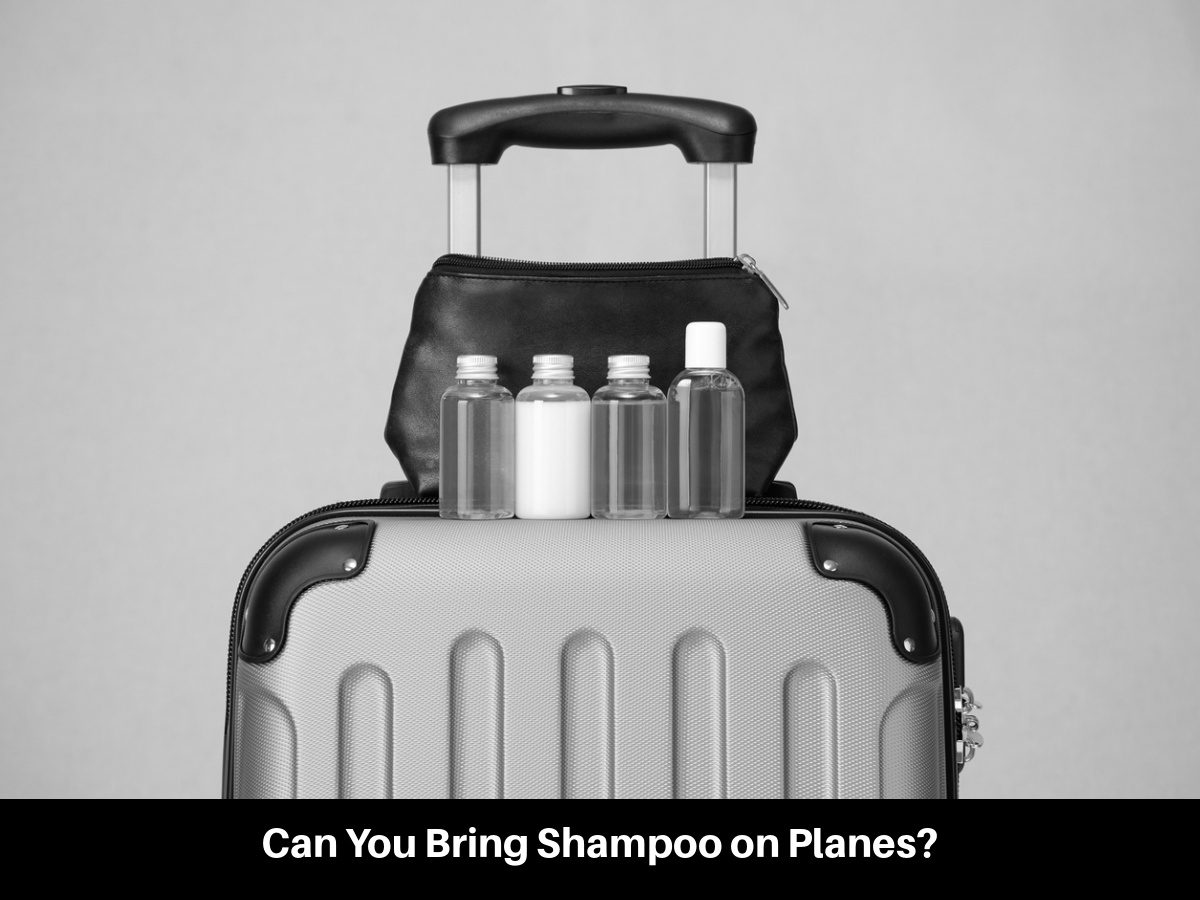
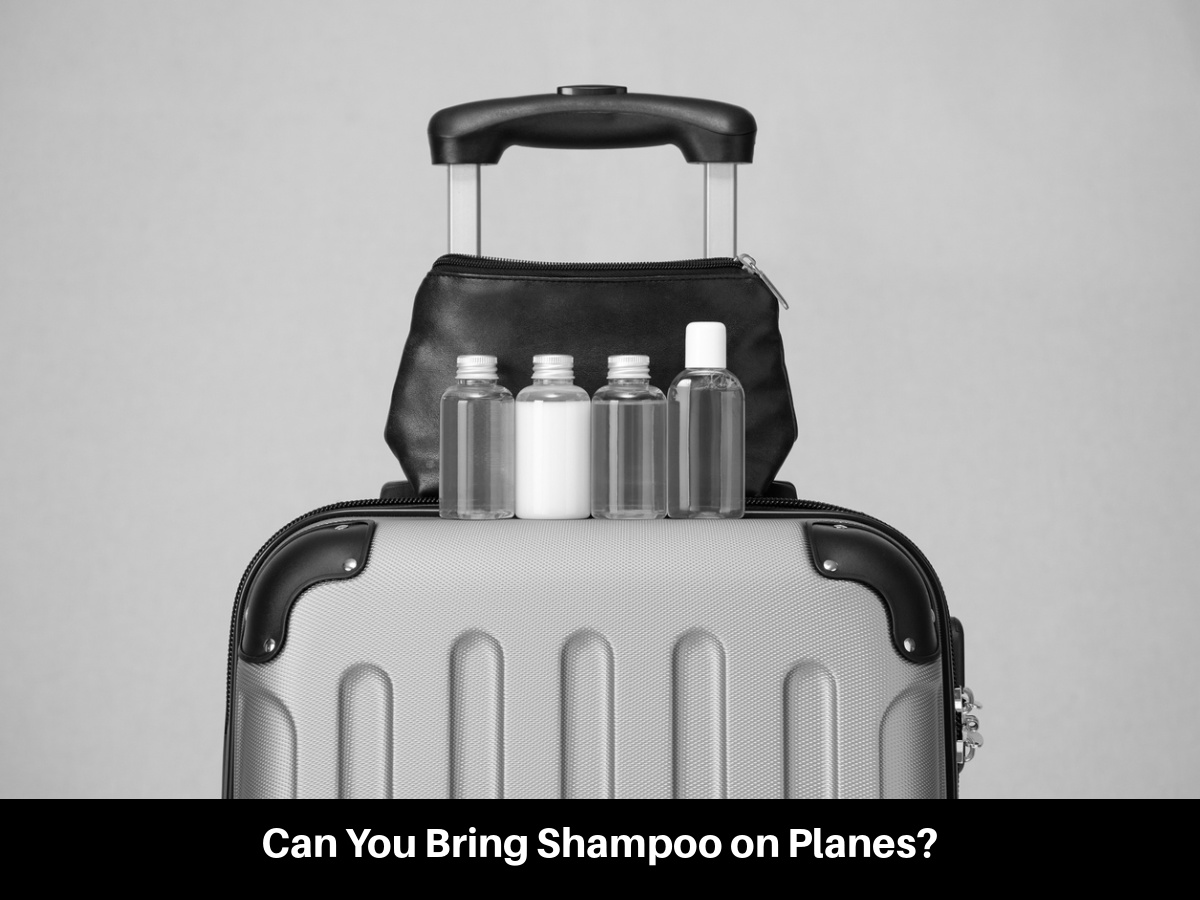
In hand luggage, liquid shampoo is restricted to 3.4 oz (100 ml) bottles or smaller. If you’re carrying a larger shampoo bottle, it won’t be allowed, even half-full. All liquids in hand luggage also must be packed in a clear, resealable, 1-quart-sized bag.
Can You Bring Shampoo on Planes?
Liquid shampoo is restricted to such small quantities because it’s considered a security threat by the TSA. Their scanners can’t distinguish between safe and unsafe, potentially flammable liquids.
The only exception is medically necessary shampoo. If you have a prescription for it, then TSA allows bringing larger quantities of it in your hand baggage. But you should only bring the amount required for your trip and not much more. In this case, you can explain to the TSA officer your condition and show them the prescription.
In checked bags, these restrictions don’t apply – liquid shampoo is allowed in any size or quantity.
Rules for Traveling With Other Types of Shampoo
Dry Shampoo
Dry shampoo has almost identical rules to liquid shampoo because all aerosols contain liquid. But because it’s flammable, it has additional quantity restrictions for checked baggage.
In checked bags, each passenger can bring dry shampoo up to 500 ml (17 fl oz) in size. And in total, each passenger can have up to 2 liters (68 fl oz) of aerosols in their baggage.
Powder Shampoo
Powder shampoo is allowed in hand and checked baggage in any quantity or size. But if it’s above 350 g (12 oz) and it’s packed in hand luggage, it has to be placed in a separate bin for screening. If possible, you should pack powder shampoo above 350 g (12 oz) in checked baggage, especially when flying internationally.
Shampoo Bars
Shampoo bars are treated as a solid, so they have no quantity or size restrictions in hand or checked baggage.
Traveling With Shampoo Internationally
Generally, the rules for packing liquid shampoo in luggage are identical across the world. There are exceptions for domestic flights in Australia and New Zealand and flights departing from a few airports in the UK and the US.
On these flights, liquid shampoo isn’t restricted to small quantities in hand baggage. That’s because the airports are fitted with modern scanners, which can scan liquids in larger quantities.
Another thing to remember is that large powder shampoo containers over 350 g (12 oz) are banned from hand luggage in some countries. So when traveling internationally, larger power shampoo containers should only be stored in checked bags.
How to Pack Shampoo in Luggage
Shampoo bottles shouldn’t explore or burst open from pressure changes when packed in checked baggage. That’s because all modern cargo compartments on planes are pressurized. The only thing that can cause spills is damage during baggage handling.
To avoid spills, put a piece of duct tape over the lid of the shampoo bottle, essentially sealing it in place. Also, don’t place the bottle near the edges of the suitcase and wrap it in soft clothing. This will keep the bottle from accidentally being squeezed during baggage handling.
A 100 ml (3.4 oz) shampoo bottle won’t last very long, especially if used by many people. So realistically, you should pack a larger shampoo bottle in your checked bag or buy it at your destination. For shorter 1-week vacations, 100 ml bottles are more than enough, so you can bring a smaller bottle and pack it in your carry-on.
Rules for Other Hair Care Products
Hairspray is treated identically to dry shampoo. It’s limited to 3.4 oz (100 ml) bottles in hand luggage and 500 ml (17 fl oz) bottles in checked bags.
Conditioner, hair gel, and other hair pastes, clays, or lotions are all treated as liquids. If you can smear it, it’s considered a liquid, so it’s limited to small bottles in hand baggage. In checked bags, larger quantities are allowed.
Summing Up – Traveling With Shampoo
Traveling with liquid shampoo and conditioner is a bit awkward because it takes up a lot of space and you need a lot of it if you wash every day. I’ve found that a much better alternative is to use a shampoo bar or travel soap. That’s because they don’t take up a lot of space, they don’t have any packing restrictions, and they last much longer.
To provide the best experiences, we use technologies like cookies to store and/or access device information. Consenting to these technologies will allow us to process data such as browsing behavior or unique IDs on this site. Not consenting or withdrawing consent, may adversely affect certain features and functions.
Functional
Always active
The technical storage or access is strictly necessary for the legitimate purpose of enabling the use of a specific service explicitly requested by the subscriber or user, or for the sole purpose of carrying out the transmission of a communication over an electronic communications network.
Preferences
The technical storage or access is necessary for the legitimate purpose of storing preferences that are not requested by the subscriber or user.
Statistics
The technical storage or access that is used exclusively for statistical purposes.The technical storage or access that is used exclusively for anonymous statistical purposes. Without a subpoena, voluntary compliance on the part of your Internet Service Provider, or additional records from a third party, information stored or retrieved for this purpose alone cannot usually be used to identify you.
Marketing
The technical storage or access is required to create user profiles to send advertising, or to track the user on a website or across several websites for similar marketing purposes.