
Compensation can be difficult when airlines cancel flights due to weather, crew scheduling, maintenance or operational meltdowns. However, you’ll sometimes face steep fees when making changes or canceling your reservations. Fortunately, many airline loyalty programs — especially in the U.S. — waive these fees for award tickets, though policies still vary widely across global programs.
For airlines that still impose fees, there are strategies to minimize or avoid them, such as taking advantage of schedule changes or travel waivers. Here are some tips for avoiding fees when changing or canceling award tickets.
Overview of change and cancellation fees
Although most legacy U.S. carriers do not charge change fees on most tickets, some other airlines do. In these cases, you must pay a fixed fee and any fare difference to switch to a different flight. These fees can vary based on the airline, fare class, destination and how far in advance you make the change.
Many airlines offer same-day changes on the same route for a fixed fee. However, same-day change fees are often waived for elite members. The advantage of same-day changes is that you likely won’t have to pay any fare difference if you switch to a more expensive flight.
This is useful on flights with multiple daily frequencies, such as New York’s LaGuardia Airport (LGA) to Chicago’s O’Hare International Airport (ORD) and John F. Kennedy International Airport (JFK) to Heathrow Airport (LHR), both of which have near-hourly flights on many airlines.
As with change fees, the legacy U.S. carriers do not charge cancellation fees on most tickets. However, if you are subject to a cancellation fee, you’ll generally receive a travel credit minus the cancellation fee.
It’s important to note that when booking award travel, the rules are set by the loyalty program you book through — not necessarily the airline operating your flight.
Most major U.S. airlines do not issue refunds to your original payment method unless there are specific circumstances, such as a significant schedule change. That said, on award tickets, many will refund the mileage plus any taxes and fees if you need to cancel.
Change and cancellation policies by airline
Each airline has its own cancellation and change policies — some are more restrictive than others. Here’s a look at some major carriers and their respective policies.

Reward your inbox with the TPG Daily newsletter
Join over 700,000 readers for breaking news, in-depth guides and exclusive deals from TPG’s experts
Air Canada
Air Canada’s change policy for award flights is more straightforward than for paid flights, as it doesn’t vary by route.
You’ll always get free changes when booking Economy Flex, Economy Latitude, premium economy (flexible), business-class (flexible) and first-class (flexible) awards.
Meanwhile, Economy Standard, premium economy (lowest), business-class (lowest) and first-class (lowest) awards have a flat change fee of 100 Canadian dollars, which is about $73 (per direction, per ticket). Cancellations are more expensive, with online refunds costing 150 or 75 Canadian dollars ($108 or $54) for Standard or Flex tickets, respectively. Making cancellations over the phone is more expensive.
Change and cancellation fees are waived for Aeroplan Super Elite members.
Alaska Airlines
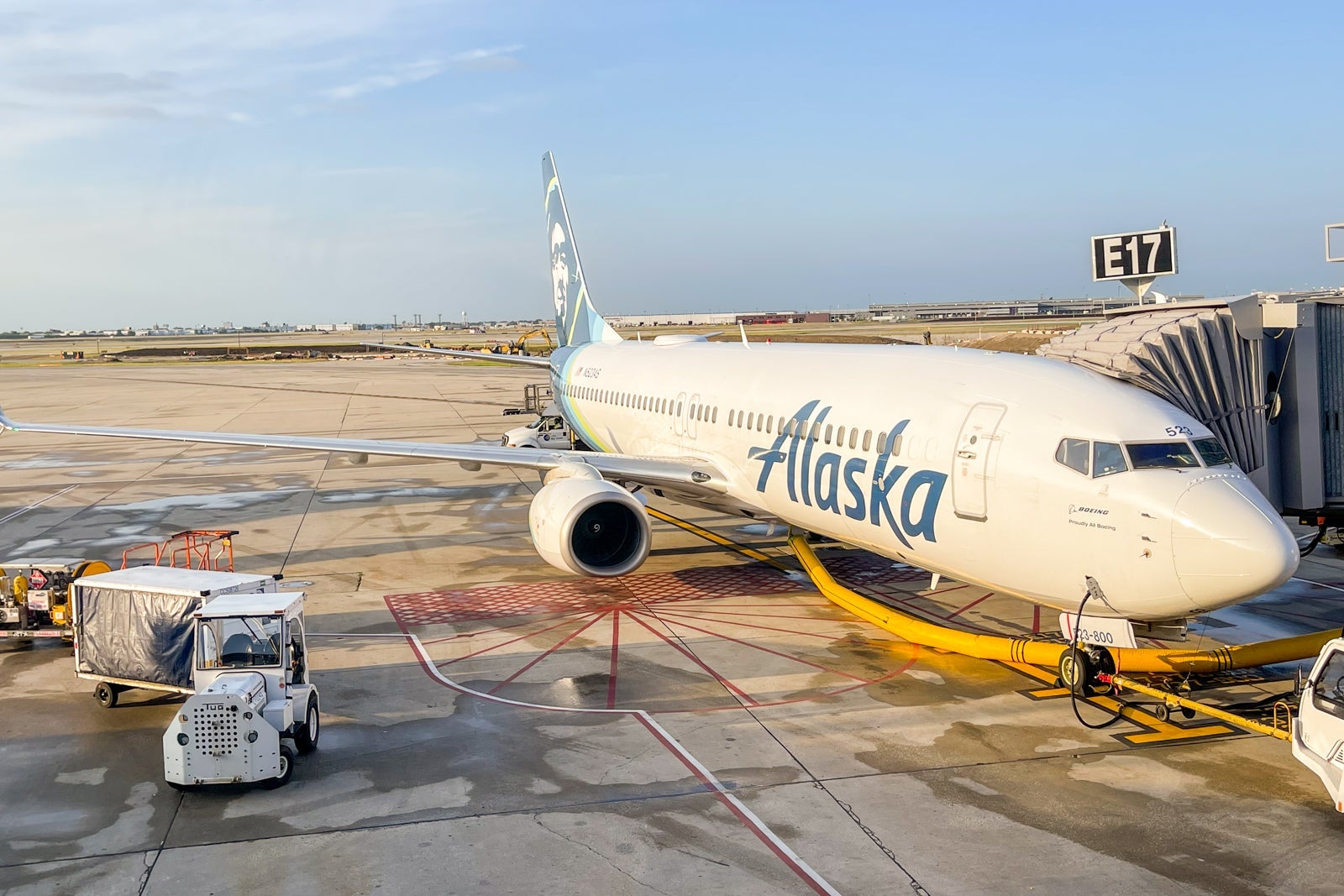
Alaska Airlines does not charge change or cancellation fees. You must change or cancel your flight before departure to be eligible for a flight credit.
When canceling award tickets, you’ll get your miles and taxes refunded, but the $12.50 partner award booking fee and $15 call center booking fee (for awards booked over the phone) are nonrefundable. Note that the partner booking fee is waived for those with the Atmos™ Rewards Summit Visa Infinite® credit card.
Same-day confirmed changes cost either $25 or $50 and are waived for MVP Gold, MVP 75K, MVP 100K, American AAdvantage Platinum Pro, American AAdvantage Executive Platinum and American AAdvantage ConciergeKey members, as well as Atmos Summit cardholders. When available, you do not have to pay a fare difference for same-day changes. The fee is also waived for those traveling on the same reservation. Saver fares are subject to an additional $40 surcharge for same-day changes.
Allegiant Air
Although a low-cost carrier, Allegiant imposes a relatively reasonable $25 fee per person, per segment when you change or cancel your ticket.
However, any changes or cancellations must be made at least seven days before departure unless you’ve purchased Trip Flex at booking. This add-on allows a one-time change or cancellation until one hour before departure, though you can’t add it after the fact. You must add this surcharge when you book your flight.
For award bookings, canceled itineraries are typically returned as a voucher rather than miles redeposited into your account.
American Airlines
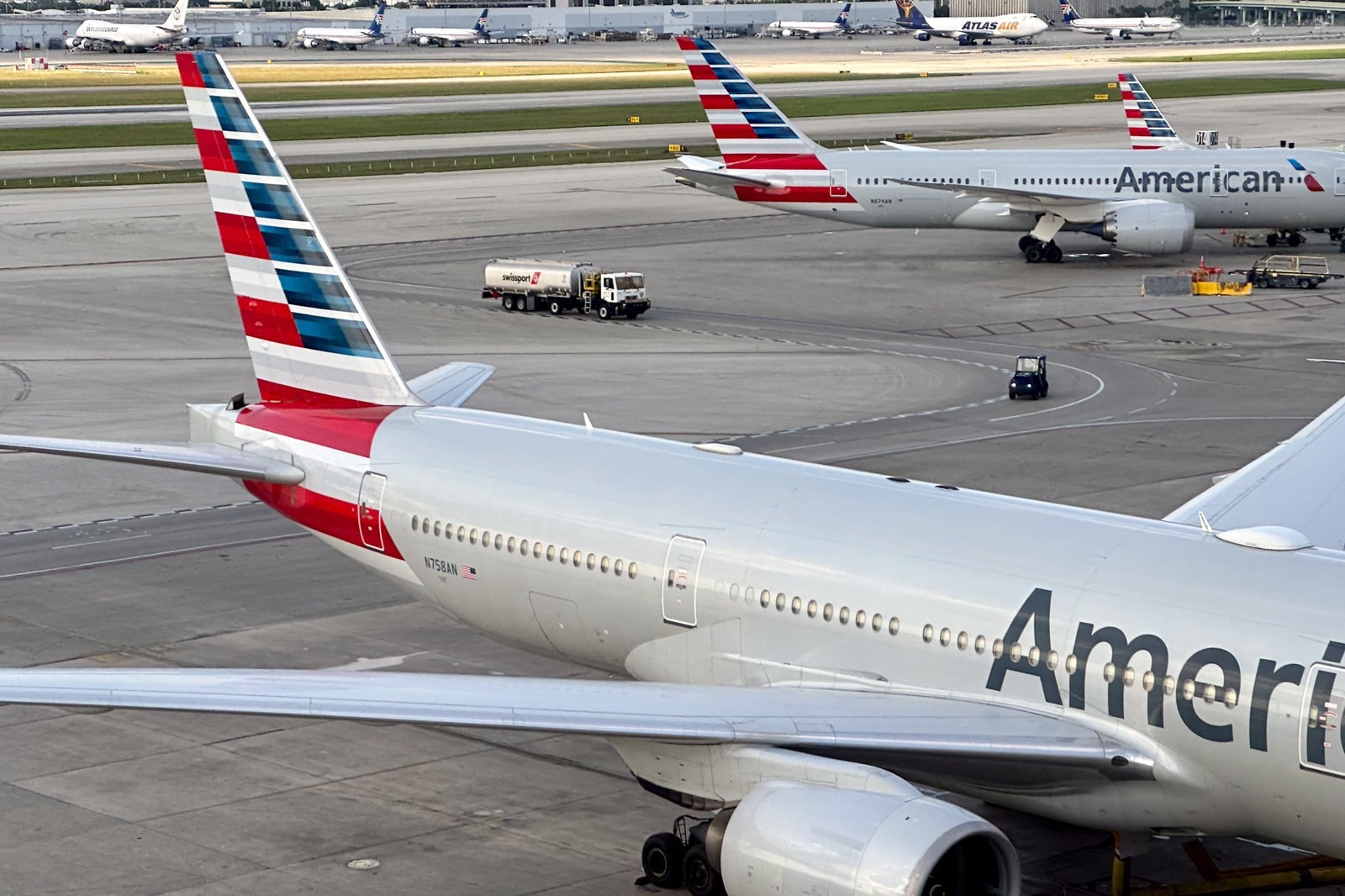
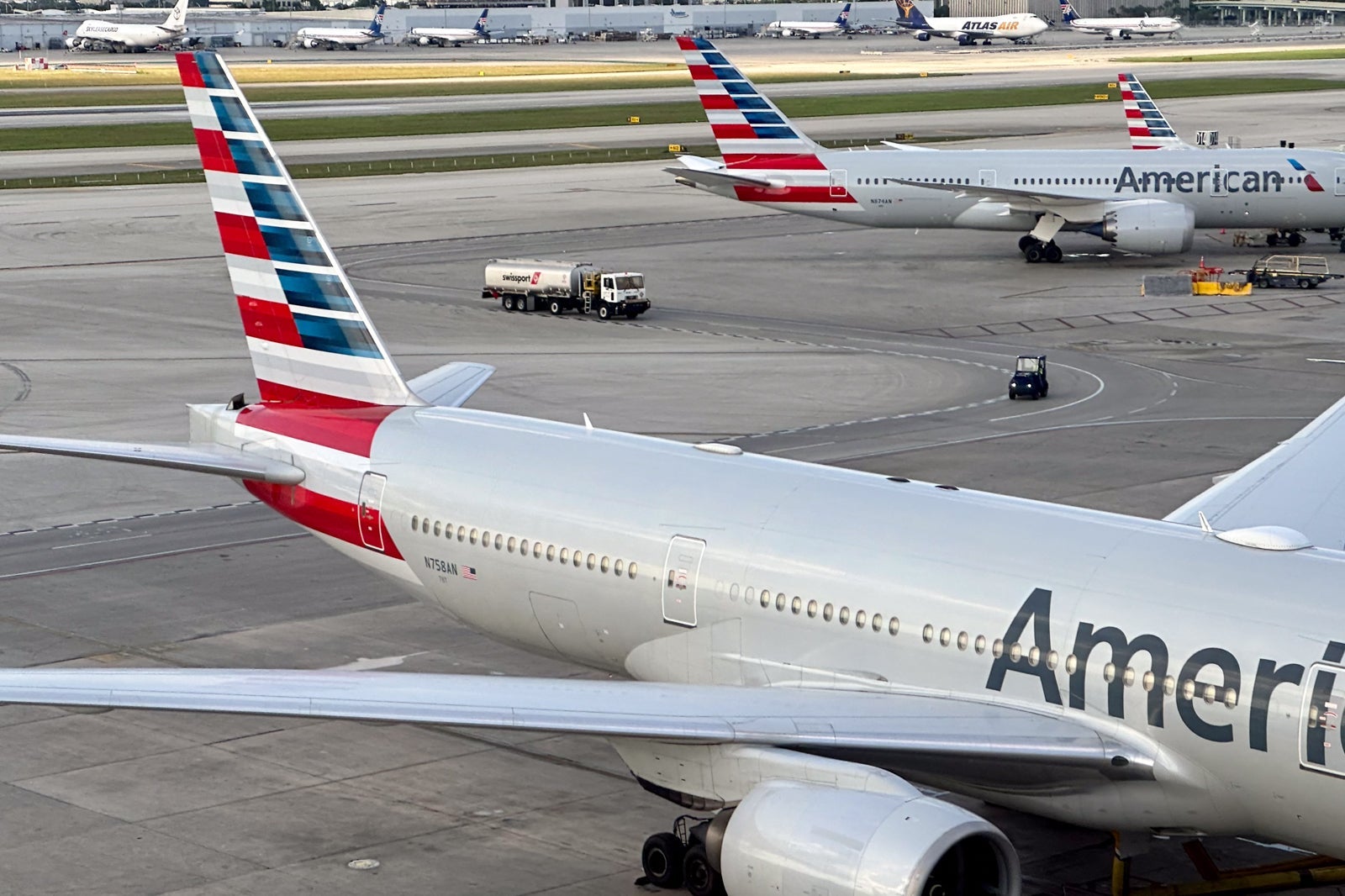
American Airlines does not charge change or cancellation fees for any award ticket, and you will automatically receive your miles back in your AAdvantage account. Sans basic economy fares, most paid tickets can be changed or canceled for a flight credit with no charge.
Check out this guide for more details on changing or canceling your American Airlines flight.
Delta Air Lines
Like American, Delta Air Lines does not charges change or cancellation fees on flights within the U.S. or international itineraries starting in the U.S. This policy includes award tickets, though you will need to change or cancel the ticket before the scheduled departure time. You’re only responsible for the fare difference if you change to a more expensive flight.
Basic economy tickets can be changed, but you’ll be subject to a cancellation fee up to $400 and a fare difference.
Check this link for more details on Delta’s change and cancellation fees.
Frontier Airlines
Frontier imposes no change fees on flights more than 60 days from departure. However, there’s a $49 change fee from 59 to seven days before departure. That climbs to a $99 fee within seven days of departure. All of these change fees are in addition to any fare difference.
The carrier has no change fees if you purchase Economy, Premium or Business bundles. Likewise, these fees are waived for those flying on Bizfares.
Check this link for more details on Frontier’s change and cancellation fees.
Hawaiian Airlines
Hawaiian doesn’t charge change or cancellation fees on Main Cabin fares or higher. However, you are responsible for paying the mileage difference if switching to a more expensive flight.
Since Hawaiian Airlines and Alaska Airlines have a shared loyalty program — Atmos Rewards — their award change and cancellation policies are identical.
See Hawaiian Airlines’ list of fees for more information.
JetBlue
JetBlue doesn’t charge change or cancellation fees on paid or award tickets unless you book a Blue Basic ticket.
Blue Basic tickets can be cancelled (but not changed) for $100 per person for North American flights, or $200 per person on other routes, such as to Europe. You will be charged a $25 fee if you process your change or cancellation over the phone. Furthermore, same-day changes cost $75, and the fee is waived for Mosaic elite members.
Southwest Airlines
Southwest is famous for not charging change or cancellation fees, though you’ll have to pay any fare difference. You can also receive a credit if the fare goes down. Note that you must cancel reservations at least 10 minutes before your departure time. Otherwise, you’ll forfeit the entire value of your ticket.
However, if you change an award ticket that has dropped in price, any additional points are redeposited in the member’s account and can later be used for travel by anyone. On paid tickets, you must book Choice fares or higher to get a credit that can be used by anyone. Credits issued for Basic fares can only be used by the person originally scheduled to fly and are valid for six months (higher fares are valid for 12 months).
If you want to move to an earlier or later Southwest flight, you’ll need to pay any fare difference on a Basic fare. Same-day confirmed changes are only included on Choice, Choice Preferred and Choice Extra fares. A-List and A-List Preferred members can access same-day standby on Basic fares, but free same-day changes require a qualifying fare or upgrade.
Check this link for more details on Southwest’s fare options.
Spirit Airlines
Spirit’s change and cancellation fees depend on the fare type you book. Those with Premium Economy and Spirit First bookings can change or cancel their reservation for free. Meanwhile, Value bookings are subject to change fees, which vary by route.
If you have Spirit elite status, you’re eligible for free same-day standby to an earlier flight up to one hour before a flight departs.
United Airlines
United waives change and cancellation fees for all flights within the U.S. and Puerto Rico, between the U.S. and Mexico and the Caribbean, and all international flights departing the U.S. As usual, this doesn’t apply to basic economy tickets, and you’re responsible for any fare difference.
United also doesn’t charge redeposit fees on award tickets. However, if you don’t cancel before departure and are considered a no-show, you can recover your miles for a $125 fee.
Related: How to refund a nonrefundable airline ticket
How to avoid change and cancellation fees
The airline might be open to waiving your change or cancellation fees in certain cases.
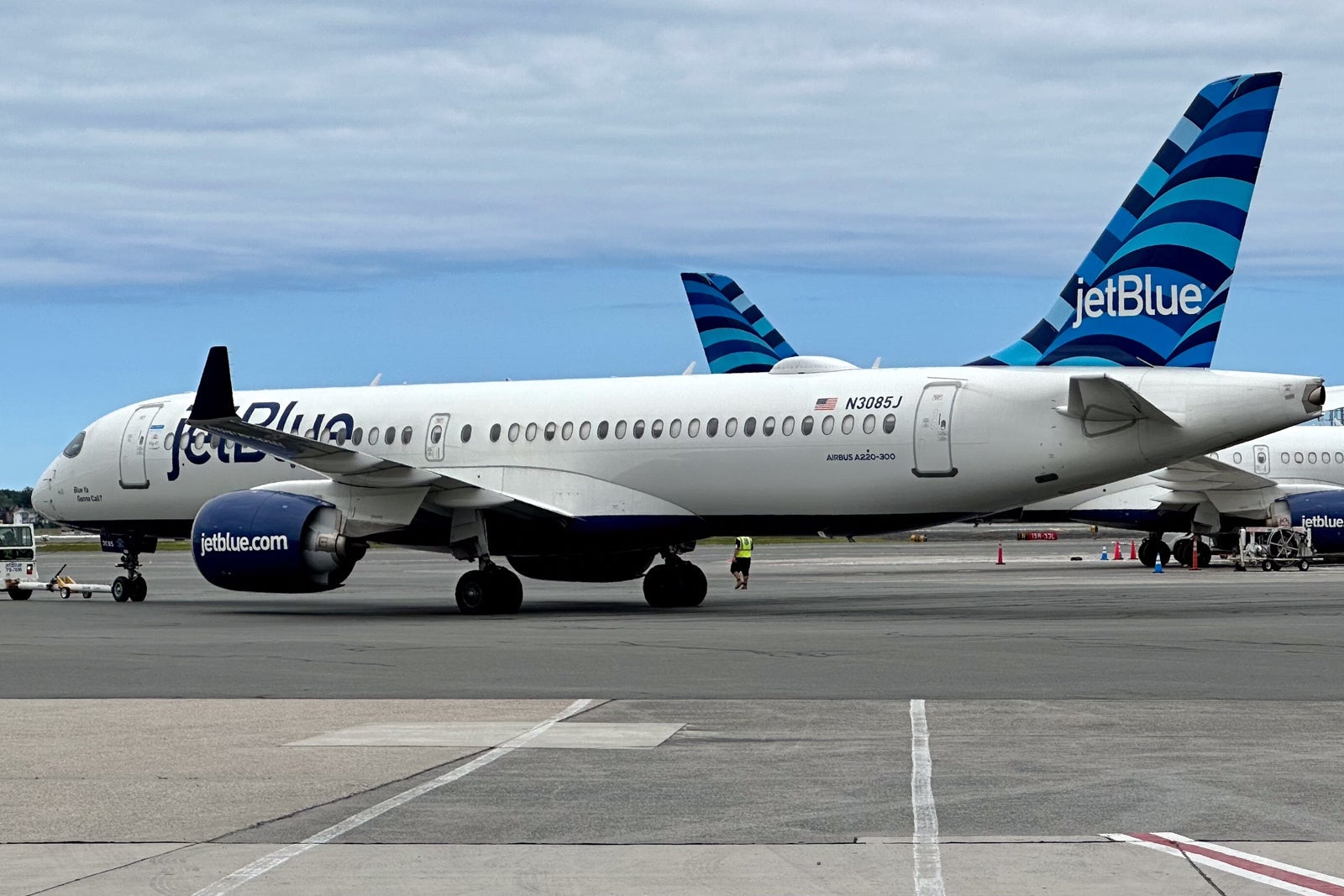
Look for a travel waiver
Travel waivers are typically given by airlines when they expect a large number of delays or cancellations. This could be due to bad weather or natural disasters. Airlines prefer to offer travelers flexibility in advance rather than deal with last-minute changes at the airport. The details of travel waivers differ depending on the airline and the reason for the waiver, but they generally allow you to change or cancel your flights without paying a fee.
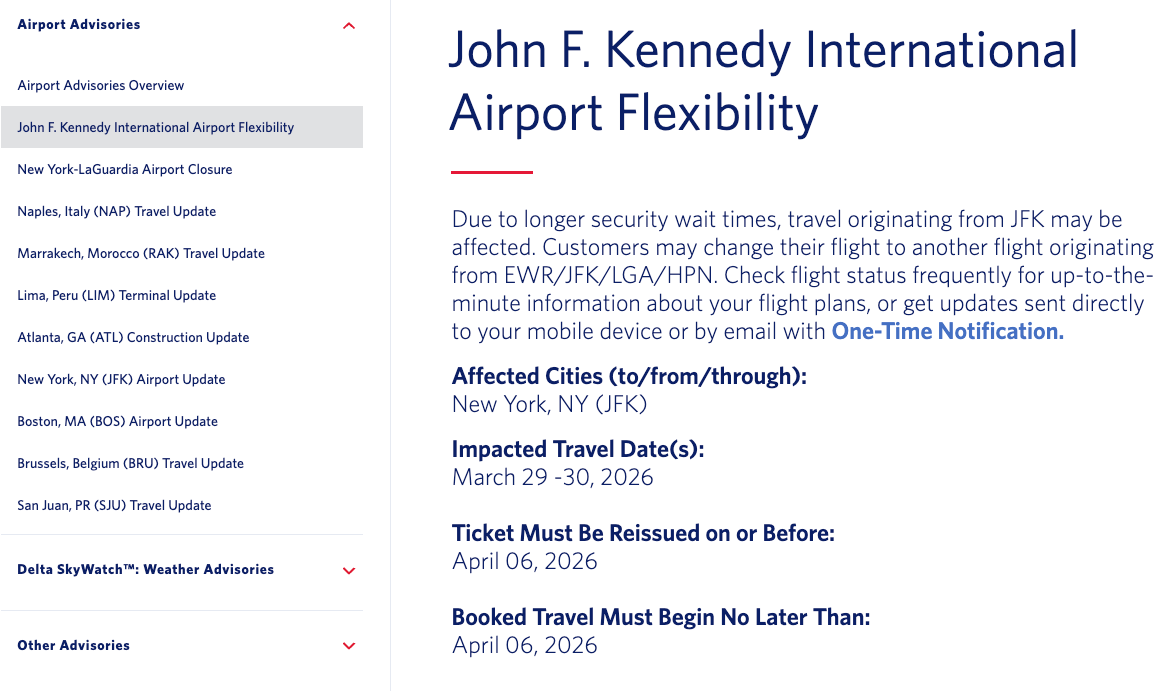
You can find travel waivers on the airline’s website. Generally, these will show at the top of the website and on the screen when you check in for your flight. The airline may even contact you if you’re eligible for a travel waiver, so keep your eyes on your inbox before you travel.
Keep an eye out for schedule changes
You may be able to avoid change and cancellation fees if your flight schedule changes after you’ve booked your ticket. For instance, if your original departure time was 1 p.m. but changes to 2:30 p.m., you might qualify for free flight changes or cancellations. Airlines often notify you of these schedule changes through email, but it’s also important to regularly check your trip details to catch any changes.
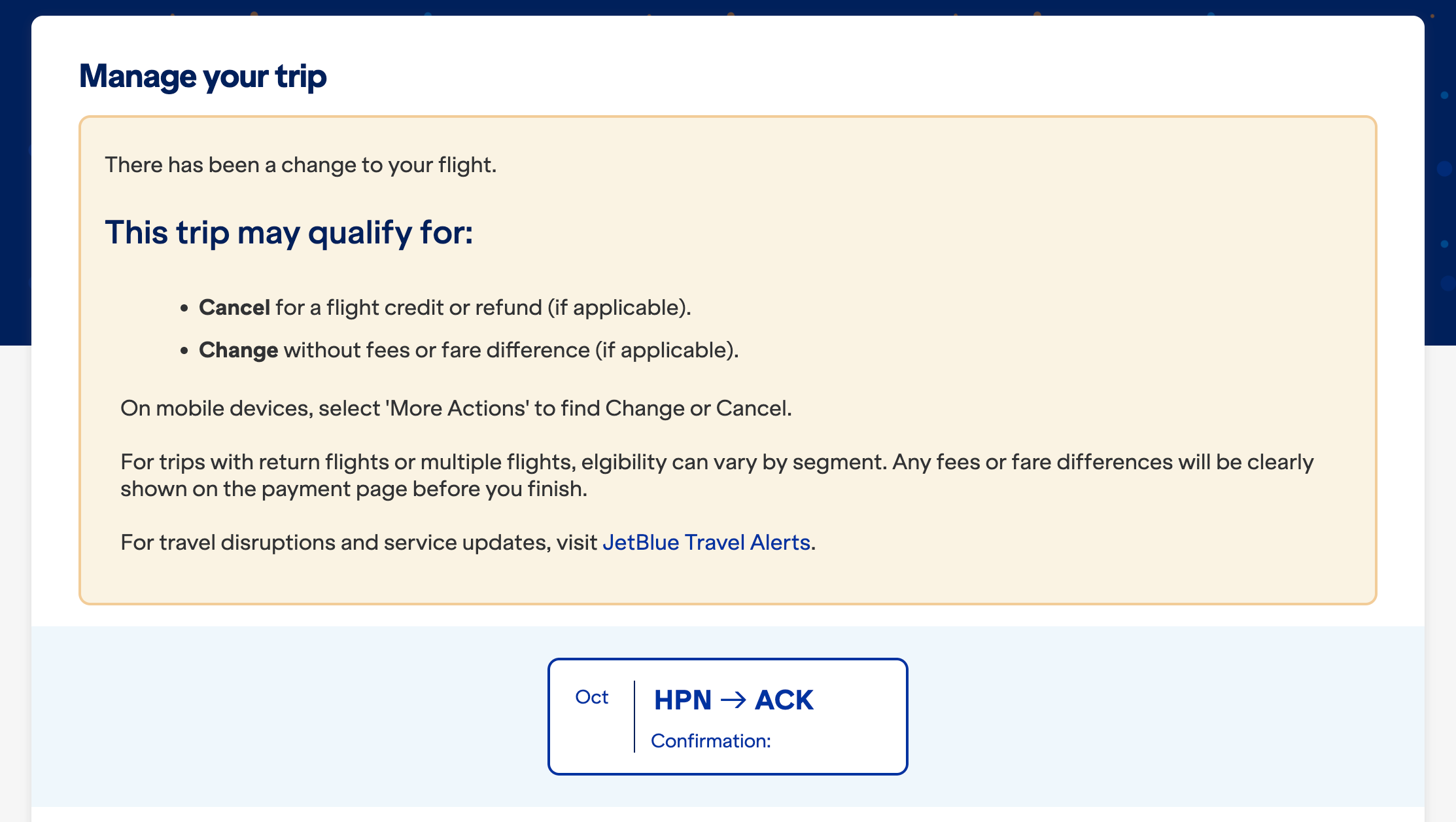
In general, many U.S. airlines offer a full refund if there is a significant schedule change to your flight’s departure or arrival time. However, each airline has its own policy regarding schedule changes.
Remember the 24-hour rule
U.S. airlines are required by law to offer refunds within 24 hours of booking if the flight is more than seven days in the future. This can come in handy if the price drops or you are still nailing down some travel details. This also applies to tickets booked through credit card sites like Amex Travel and the Chase Travel℠ portal.
Have a good reason
Travelers can often get change fees waived in the event of illness, a death in the family or other extraordinary circumstances like a natural disaster. Just be prepared to offer supporting documentation. For example, if you get sick before a flight, expect to be asked for a doctor’s note.
Consider your credit card coverage
If you used a travel rewards or airline credit card to pay for your booking, it may include trip cancellation and interruption insurance. This insurance can potentially cover your change or cancellation fees and other eligible nonrefundable expenses. For instance, if you have a valid reason to cancel or modify your trip (like jury duty or a serious illness) and you booked with the Chase Sapphire Reserve® (see rates and fees), you can receive up to $10,000 in reimbursement per person (up to $20,000 per trip).
In case of an emergency that qualifies for your credit card’s trip delay or cancellation coverage, you might have more concerns than just airline fees. However, knowing these protections are available if needed is reassuring.
Remember that to benefit from this coverage, you usually must pay part of the trip cost with your credit card. This can include paying for award taxes and fees or using points to purchase a ticket through a platform like the Chase Travel portal.
Earn elite status
One of the greatest advantages of having airline elite status is that certain tiers with select carriers will waive change fees on same-day changes. This added flexibility is great if you want to move to an earlier or later flight at the last minute.
Use a credit card travel credit or redemption to cover your fees
If all else fails, you can use travel credits from a premium travel card like American Express Platinum Card® or the Chase Sapphire Reserve or redeem miles from a card like the Capital One Venture X Rewards Credit Card to cover your change or cancellation fees.
If you go this route, you’ll still be subject to paying these fees, but you may be able to cover them with a statement credit or your miles. This mostly applies to award tickets since the change or cancellation fees are often an additional out-of-pocket expense. With paid flights, the fees are often deducted from your ticket value.
In the case of the Amex Platinum, you can only cover the change or cancellation fee for the airline that you’ve selected to use for your up to $200 annual airline fee statement credit (enrollment required). You can choose this airline when you first get your Platinum Card and then annually by Jan. 31 for that calendar year. It’s also worth noting that Amex’s system will determine which purchases are (and are not) eligible for the credit. Read our full guide to the Platinum Card’s airline credit for more information on what qualifies.
The Sapphire Reserve card has a more relaxed travel credit that automatically applies to the first $300 in travel purchases each year. This credit resets once per cardholder year, so if you’ve yet to use it, charge the change or cancellation fee to your Sapphire Reserve and you’ll be reimbursed.
Finally, if you must pay a change or cancellation fee out of pocket, you could always charge it to a card like the Capital One Venture X Rewards Credit Card and then use your miles at a fixed value to cover the cost. However, transferring your Capital One miles to travel partners will likely get you a much higher redemption value.
Don’t pay cancellation or change fees until you have to
When you book a flight and later need to cancel, it’s best to avoid paying the cancellation fee until necessary. Airlines can sometimes announce schedule changes, delays or cancellations, allowing you to change or cancel your trip without paying any fees. Remember that if the airline cancels the service, you should receive a refund to your original payment method, not just a travel voucher.
However, it’s important to understand your specific airline’s policies. Unused tickets can sometimes be rebooked after the flight by paying the same change fee that you would have paid in advance. Certain carriers may require you to cancel or change your flight before the scheduled departure. Familiarize yourself with your airline’s rules to make the best decision.
Bottom line
Changing or canceling a flight can be a hassle, especially if it means paying a hefty fee. Keep this page handy for future reference when changing a flight.
Depending on your flight type, it could save you a significant amount of money, potentially hundreds of dollars. So the next time you change a ticket, you’ll know how to mitigate your out-of-pocket expenses.
Related: Airlines that offer you a credit if the price of airfare drops

Stacie Harris is a local resident and reporter of the Maple Grove area. Stacie reports on medicine and science for the Maple Grove Report.