Medically reviewed by Simone Harounian, MS
:max_bytes(150000):strip_icc():format(jpeg)/Health-GettyImages-671773872-f79e159defd441da811afda094f0fc06.jpg "Halved and whole avocados and kiwis on a wooden, green surface.")
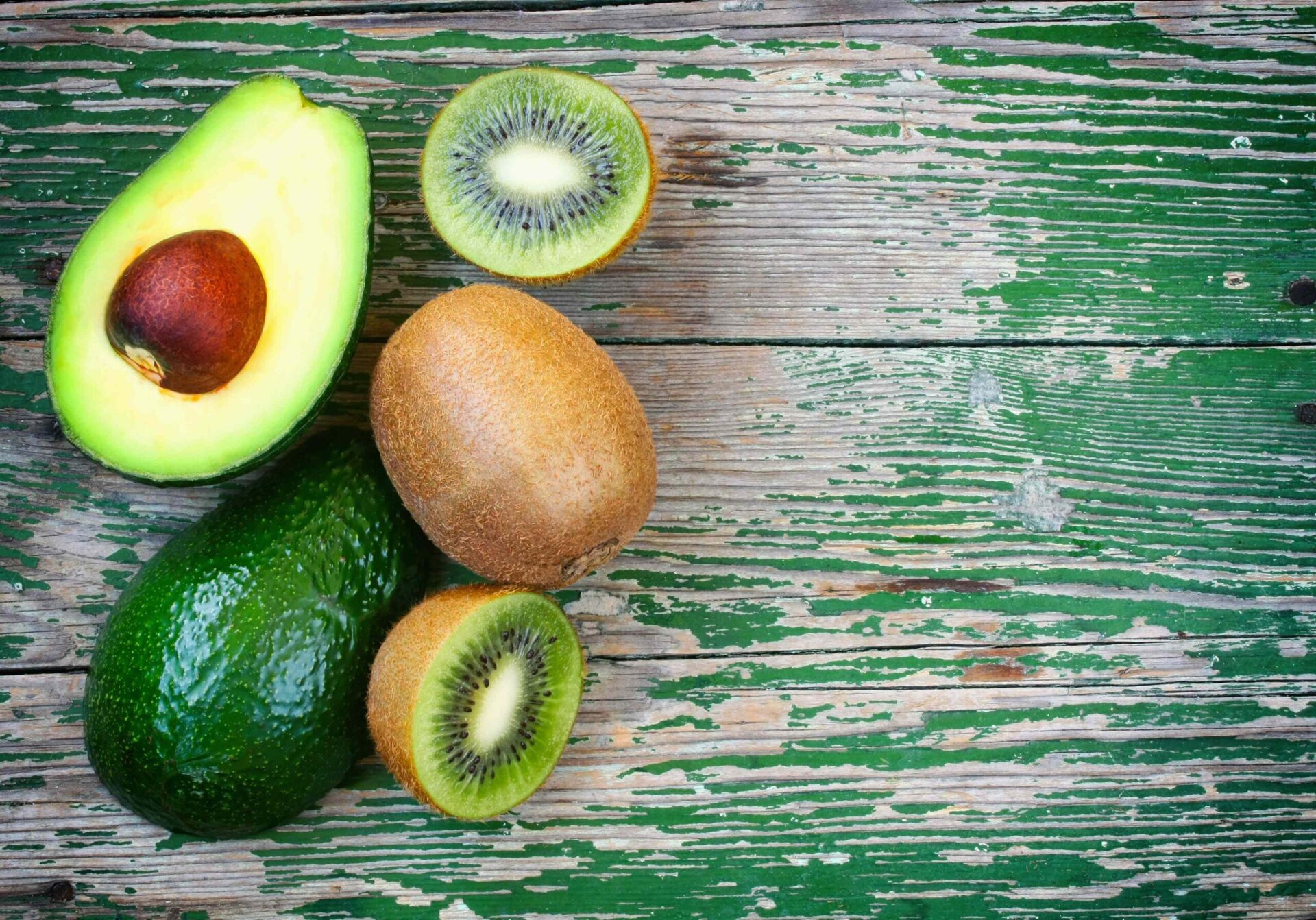
Credit: Xanya69 / Getty Images
- Eating more potassium-rich foods may help keep your blood pressure within a healthy range.
- Men need at least 3,400 milligrams of potassium daily and women need at least 2,600 milligrams; many people’s diets fall short of these levels.
- Avocado, guava, banana, and other fruits support heart health and can help you reach your daily potassium goals.
Potassium is a mineral your body needs for proper heart and muscle function. Plus, getting enough of it may help keep your blood pressure in a healthy range. Here are seven potassium-rich fruits to try adding to your diet.
1. Avocado

- Potassium: 488 milligrams (mg)
- Serving size: One-half of an avocado, 101 grams (g)
Avocados are considered a great source of potassium, plus they're rich in heart-healthy unsaturated fats.
In fact, multiple studies have concluded that avocado consumption may boost heart health by reducing unhealthy cholesterol or blood pressure levels, both of which are risk factors for cardiovascular disease.
Avocados also provide folate, a B vitamin your body uses to build and repair cells. Getting enough folate is especially important during pregnancy.
How to add it to your diet: You can use avocados in both sweet and savory dishes. Add slices on toast, mash it into guacamole, blend it into a smoothie, or add it to a salad.
2. Guava

- Potassium: 229 mg
- Serving size: One guava fruit, 55 g
Guava is a tropical fruit with soft, fragrant flesh that ranges from white to deep pink. In addition to its potassium content, guava contains other antioxidant plant compounds that may support healthy blood pressure levels.
Guava is also one of the richest sources of vitamin C, which your body uses to support immune health and produce collagen, a protein that keeps the skin firm.
How to add it to your diet: Eat a guava fresh like an apple, slice it into fruit salads, or blend it into your favorite smoothies and juices.
3. Banana

- Potassium: 375 mg
- Serving size: One banana, 115 g
Bananas are one of the most famous food sources of potassium, and it's for good reason—they're a solid source of the heart-healthy nutrient. Plus, bananas contain antioxidants called catechin and quercetin, which may support healthy blood pressure levels by reducing inflammation and boosting blood vessel health.
When you eat a banana, you're also boosting your levels of vitamin B6, a nutrient involved in over 100 essential reactions and processes in the body.
How to add it to your diet: Slice bananas into oatmeal or blend them into smoothies. If you have overripe bananas, try freezing them for a creamy, dairy-free base for homemade ice cream.
4. Pomegranate

- Potassium: 205 mg
- Serving size: One-half cup of pomegranate seeds, 87 g
In addition to their potassium content, pomegranates are a great source of antioxidants, including polyphenols, which may help the body protect against the narrowing of arteries due to plaque. Pomegranate juice has also been linked to healthier blood pressure levels in people with hypertension (high blood pressure).
These fruits are also a great source of fiber, with about 3.5 grams per half-cup of pomegranate seeds. Fiber supports healthy cholesterol levels, better digestion, and a greater feeling of fullness between meals.
How to add it to your diet: You can eat pomegranate seeds (also called arils) fresh with a spoon. Or, try scattering them over yogurt, oatmeal, or salads for a burst of color and crunch.
5. Apricots

- Potassium: 181 mg
- Serving size: Two apricots, 70 g
Apricots, small stone fruits in the peach and plum family, are a great source of potassium. That's especially true when they're dried—a one-half cup of dried apricots offers a whopping 755 mg of potassium.
Like many other fruits, apricots are a good source of antioxidants, which help eliminate free radicals. These unstable molecules can damage cells and have been linked to chronic disease, including cardiovascular issues.
One of these heart-protecting antioxidants—beta-carotene—is responsible for apricots' bright orange color. The body can also convert beta-carotene into vitamin A, which supports vision and immune health.
How to add it to your diet: Apricots are delicious when eaten fresh. You can also chop them and add them to salads, or pair them with cheese on a snack board. When fresh apricots aren't in season, try dried apricots.
6. Honeydew Melon

- Potassium: 388 mg
- Serving size: One cup, diced, 170 g
Honeydew is a large melon with smooth, pale green skin and soft, sweet flesh. Melons, including honeydew, have a high water content. Staying well-hydrated helps your body regulate blood pressure.
How to add it to your diet: Cube honeydew melon for a fruit salad, pair it with prosciutto for a savory-sweet snack, or blend it into a chilled soup.
7. Kiwifruit

- Potassium: 215 mg
- Serving size: One kiwi, 69 g
Kiwifruit has fuzzy brown skin and bright green flesh, and it can be part of a heart-healthy diet. In one study, participants who ate two kiwis before breakfast for 7 weeks had lower systolic blood pressure, the top number in a blood pressure reading.
Eating kiwi is also a good way to boost your intake of vitamin K. This nutrient helps your blood clot properly after a cut or injury, plus it helps keep your bones strong as you get older.
How to add it to your diet: For a quick, healthy snack, slice a kiwi in half and scoop out the flesh with a spoon. Or, peel and add them to yogurt or fruit salad. If you want less prep, you can eat the skin, too.
How Much Potassium Do You Need Each Day?
People need to get a substantial amount of potassium each day to keep their bodies healthy:
- Men: At least 3,400 milligrams
- Women: At least 2,600 milligrams
- People who are pregnant or breastfeeding: 2,800–2,900 milligrams
Most people in the United States don't get enough potassium. Adding more fruit to your diet is one of the simplest ways to close that gap. Try slicing a banana into your morning oatmeal, adding avocado to a sandwich at lunch, or snacking on a kiwi or guava in the afternoon.
For healthy people, increasing potassium intake is safe—the body will excrete excess potassium in urine. However, people with kidney disease or those who take certain medications can retain too much potassium in their bodies, which can be harmful. Talk to your doctor about what a healthy amount of potassium is for you.