Medically reviewed by Suzanne Fisher, RD
:max_bytes(150000):strip_icc():format(jpeg)/Health-GettyImages-2184584798-a584186a8c7b4886ba67067f26e5f773.jpg "A bowl containing a mixture of beans arranged by type placed on a marble surface")
Credit: Cristofor Moldovanu / 500px / Getty Images
- Beans are fiber-rich foods that provide 14-29% of the recommended Daily Value, depending on the bean type.
- Other foods have even more fiber in a serving. Higher-fiber foods include chia seeds, avocados, and whole grains.
- Fiber intake is associated with health benefits like weight and blood sugar management. Varying your dietary fiber sources can help you get the most benefit.
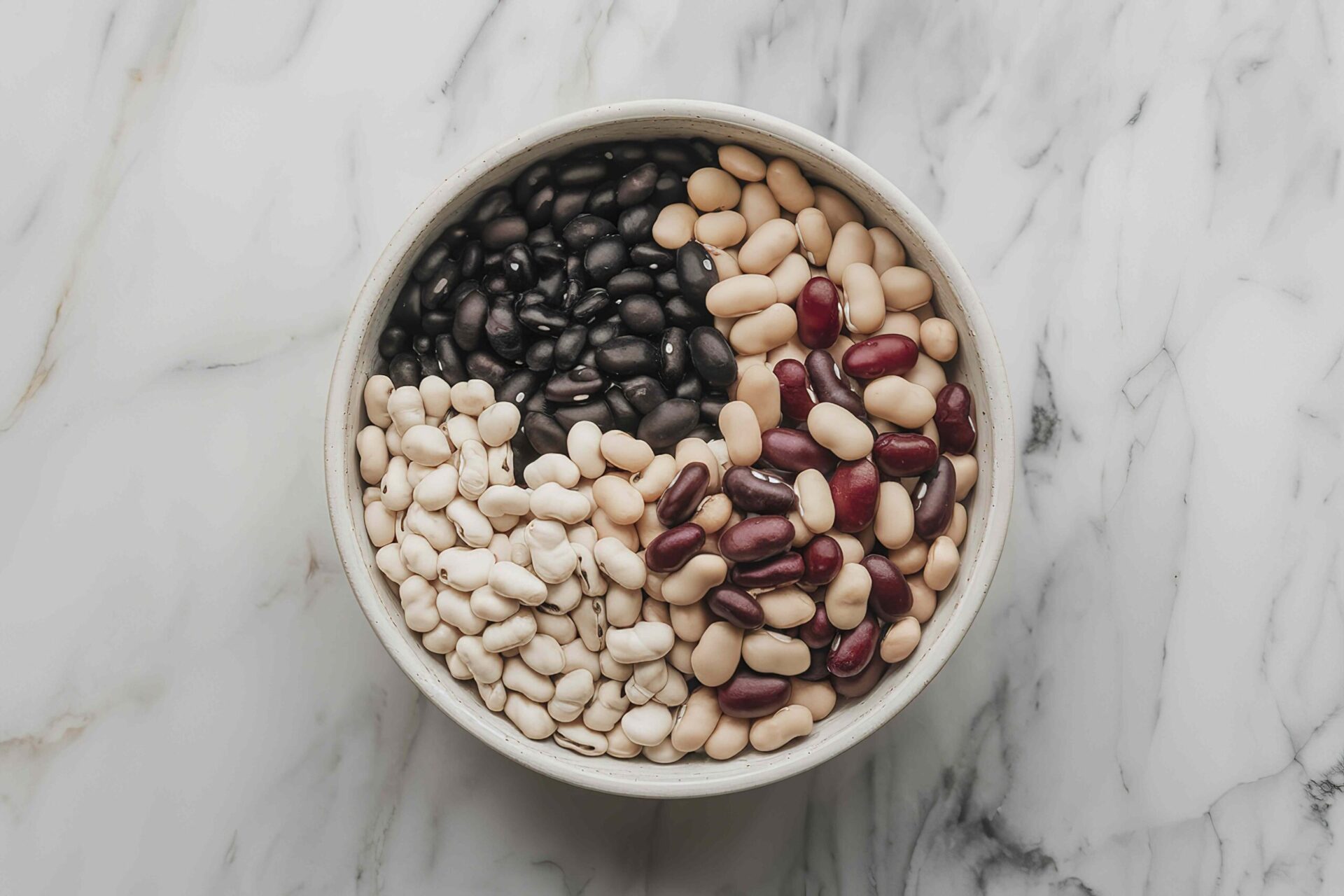
Beans are widely recognized as a great source of dietary fiber. Depending on the variety, a half cup of cooked beans can contain 4-8 grams of fiber. It's recommended that adults get 28 grams of fiber a day. That means a half-cup of beans provides 14-29% of the Daily Value (DV) for fiber. But several foods offer even more fiber in a serving.
1. Whole Grains

- Fiber content: 14-32 grams (g), 64-114% of the DV
- Serving size: 1 cup
It is uncommon to discuss high-fiber foods without mentioning whole grains. Depending on the grain and how it is processed, you can get up to the recommended daily intake for fiber from a serving of a whole-grain meal. For example:
- 1 cup of hulled barley: 31.8 g of fiber, about 114% of the DV
- 1 cup of hard white wheat: 23.4 g, about 94% of the DV
- 1 cup of oat bran: 14.5 g, more than 60% of the DV
Minimally processed whole-grain meals, including whole-grain breads, bagels, crackers, and cereals, can also provide significant amounts of fiber and additional nutrients.
2. Chia Seeds

- Fiber content: 9.8 g, about 35% of the DV
- Serving size: 1 ounce (about 2 tablespoons)
Chia seeds are one of the most fiber-dense foods available. Just 2 tablespoons provide nearly 10 grams of fiber, exceeding the fiber content of most beans.
Chia seeds are particularly rich in insoluble fiber, which accounts for 85–93% of their total fiber. Insoluble fiber adds bulk to the stool and speeds the passage of food through the gut, lowering the risk of gastrointestinal and metabolic issues such as constipation, hemorrhoids, and insulin resistance.
Chia seeds also provide omega-6 and omega-3 fatty acids, protein, and amino acids, which support heart health, satiety (how quickly you feel full), and tissue repair. Chia seeds are easy to add to smoothies, yogurt, oatmeal, and baked goods.
3. Avocados

- Fiber content: 9.3 g, 33% of the DV
- Serving size: One fruit, without the skin and seed
Aside from the high fiber content, one avocado provides minerals and vitamins like folate (about 30% of the DV), vitamin K (over 20% of the DV), and potassium (about 26% of the DV).
A 12-week study showed that replacing calories from other carbohydrate sources with avocado intake had positive effects on health status, including improved insulin sensitivity, better glucose control, and a reduction in low-density lipoprotein (the “bad" cholesterol).
Avocados also contain antioxidants that help the body fight off harmful free radicals. Because they’re also rich in heart-healthy monounsaturated fats, avocados make a healthy and satisfying addition to salads, sandwiches, purees, and smoothies.
4. Raspberries

- Fiber content: 8 g, 32% of the DV
- Serving size: 1 cup
Raspberries stand out among fruits for their nutritional density, which includes their fiber density.
They’re also rich in polyphenols and vitamin C, which act as antioxidants, helping reduce oxidative stress and inflammation.
Raspberries have a low tendency to spike blood sugar levels, making them a great choice for managing metabolic conditions such as diabetes, obesity, and polyendocrine metabolic ovarian syndrome (PMOS), the condition formerly known as polycystic ovary syndrome (PCOS).
5. Artichokes

- Fiber content: 6.8 g, 24.3% of the DV
- Serving size: One medium-sized artichoke, cooked
Artichokes are among the highest-fiber vegetables. They’re exceptionally high in inulin, a prebiotic fiber shown to support gut microbiome diversity, digestive health, and blood glucose regulation.
Artichokes also provide:
- Potassium
- Vitamin C
- Folate
- Magnesium
- Calcium
- Vitamin K
- Carbohydrates
However, they are also high in natural sugars called FODMAPs that may trigger digestive issues like constipation and diarrhea, especially in people with irritable bowel syndrome (IBS).
6. Flaxseeds

- Fiber content: 5.62 g, 20% of the DV
- Serving size: 1 ounce (2 tablespoons)
There is no specific portion recommendation for flaxseed, though most people usually eat about 15 grams of ground flaxseed—about 2 tablespoons—in one sitting.
Besides fiber, other nutrients in flaxseed include:
- Manganese
- Magnesium
- Carbohydrate
- Phosphorus
- Iron
- Calcium
- Potassium
- Fatty acids
Flaxseed also contains a good amount of thiamin, a vitamin essential for energy metabolism and cell growth and function.
Because flaxseeds are high in fiber and have a tough outer shell that is not easy for the intestines to break down, it may be best to opt for ground instead of whole seeds. Eat them in smaller amounts to reduce the risk of digestive issues like gas and bloating, and make sure you drink enough water.
How To Safely Increase Your Fiber Intake
Increasing fiber too quickly can lead to bloating or gas. To make sure you are getting enough fiber from your meals and doing it safely, do the following:
- Increase intake gradually over several days.
- Drink plenty of water to help fiber move through the digestive tract and to lower the risk of dehydration, bloating, or constipation.
- Vary fiber sources instead of relying on one food.
- When shopping for cereals, pasta, or flour-based meals, choose products labeled “whole-grain,” as they are less processed and have higher fiber content.
If you have gastrointestinal conditions like IBS, Crohn’s disease, or intestinal obstruction, it’s best to speak with healthcare providers, like a registered dietitian, about how to incorporate fiber into your diet safely.