Anthropic has started rolling out identity verification on Claude “for a few use cases.” The company didn’t list out those use cases in its announcement, but we’ve asked it for details and will update this post when we hear back. Anthropic says you might see a verification prompt upon “accessing certain capabilities,” asking you to verify your identity. You would have to show a valid and physical government-issued photo ID. You’d also have take a selfie with your phone or computer camera that the system will compare against the ID you present.
The news, as you’d expect, wasn’t well-received. Many users are questioning the necessity of identity verification to be able to use an AI chatbot, especially if Anthropic already has their credit cards on file as paying subscribers. People are also criticizing Anthropic’s decision to use Persona Identities, which also provides age verification services for OpenAI and Roblox. One of Persona’s major investors is venture firm Founders Fund, which was co-founded by Peter Thiel, who’s also the co-founder and chairman of surveillance company Palantir.
Palantir’s customers are mostly federal agencies and government offices, including the FBI, the CIA and US Immigration and Customs Enforcement. Most criticisms against the company center around the services it provides those customers, as they’re mainly used to expand government surveillance using its facial recognition and AI technologies.
In its announcement, Anthropic said that Persona will be the one handling your IDs and selfies. It will not copy and store those images. It also said that Persona is “contractually limited” in how it can use your data and that all data passing through its process is “encrypted in transit and at rest.” Anthropic emphasized that it will not use your identity data to train its models and that it will not share your data with anyone else.
Update April 16, 2026, 11:35AM ET: Reached for comment, an Anthropic spokesperson told Engadget that “this applies to a small number of cases where we see activity that indicates potentially fraudulent or abusive behavior, which violates our usage policy.”
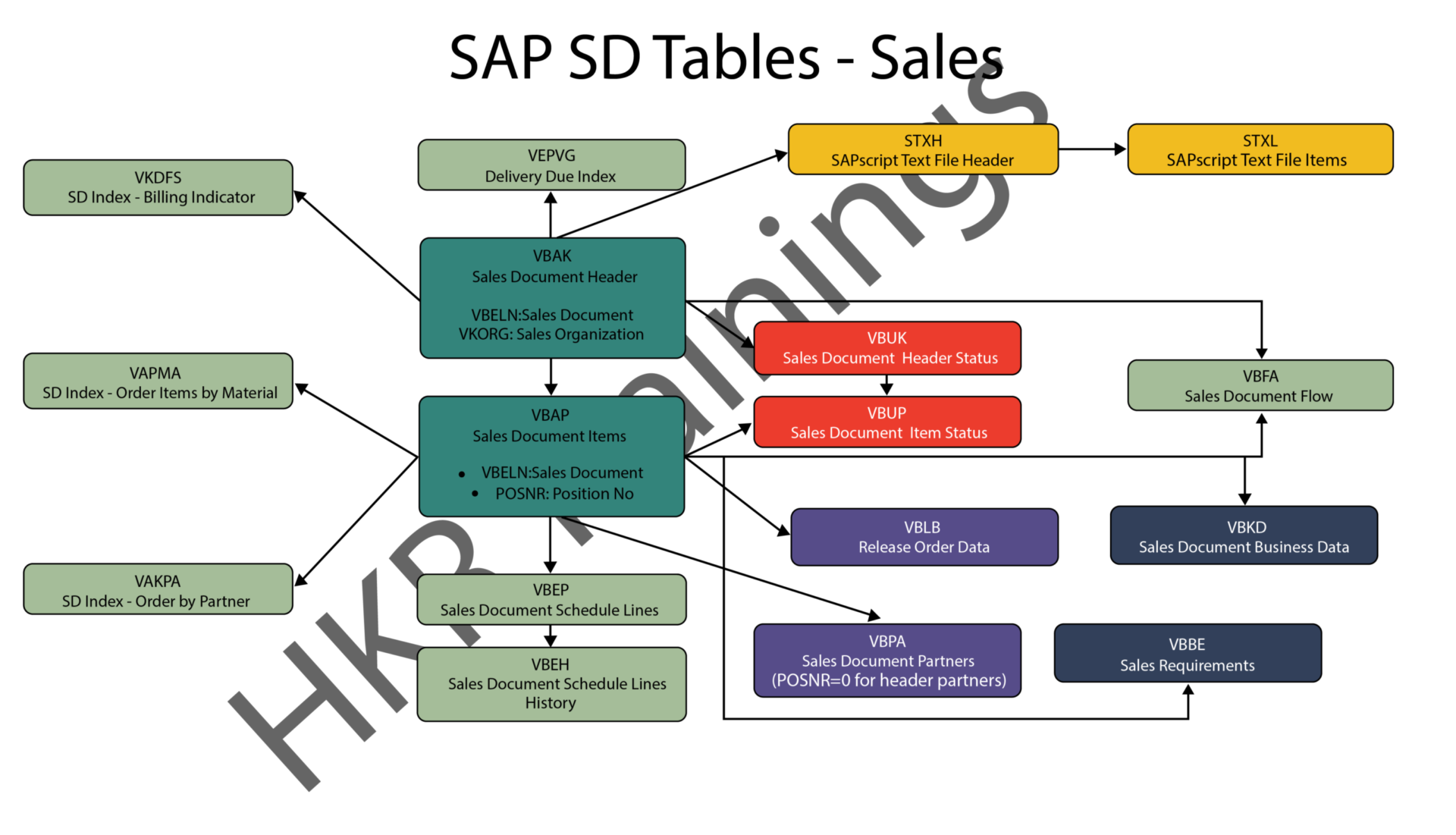
The SAP SD module is built on tables and uses them to store data. We’ll go through SAP SD tables and their relationships in this tutorial. SAP SD tables are critical storage for corporate data connected to SAP ERP software’s sales and distribution activities. The SD tables are basically divided into three parts:
These are the SD module’s building blocks, and it’s only natural to address tables in this sequence. Please look at the slides to see how the tables from different blocks were connected. Being an expert in SAP SD necessitates an understanding of these relationships.
Become a SAP SD Certified professional by learning this HKRSAP SD Training!
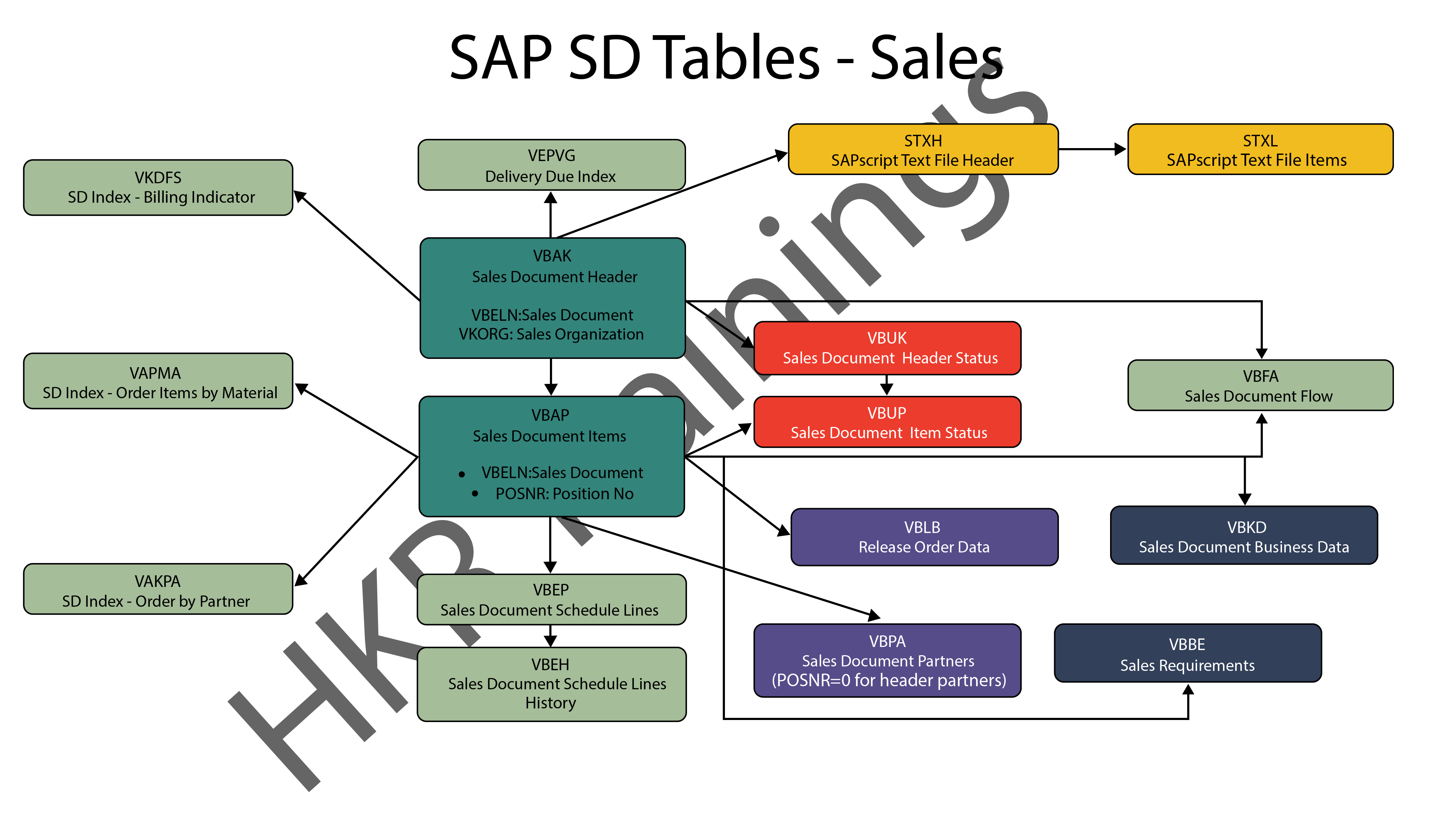
1) Sales
In SAP SD, the first block is about sales procedures.This indicates that the SAP SD tables in this block would be related to sales orders, quotations, and other similar transactions. We designed a visual slide that lists all of the tables and their relationships.
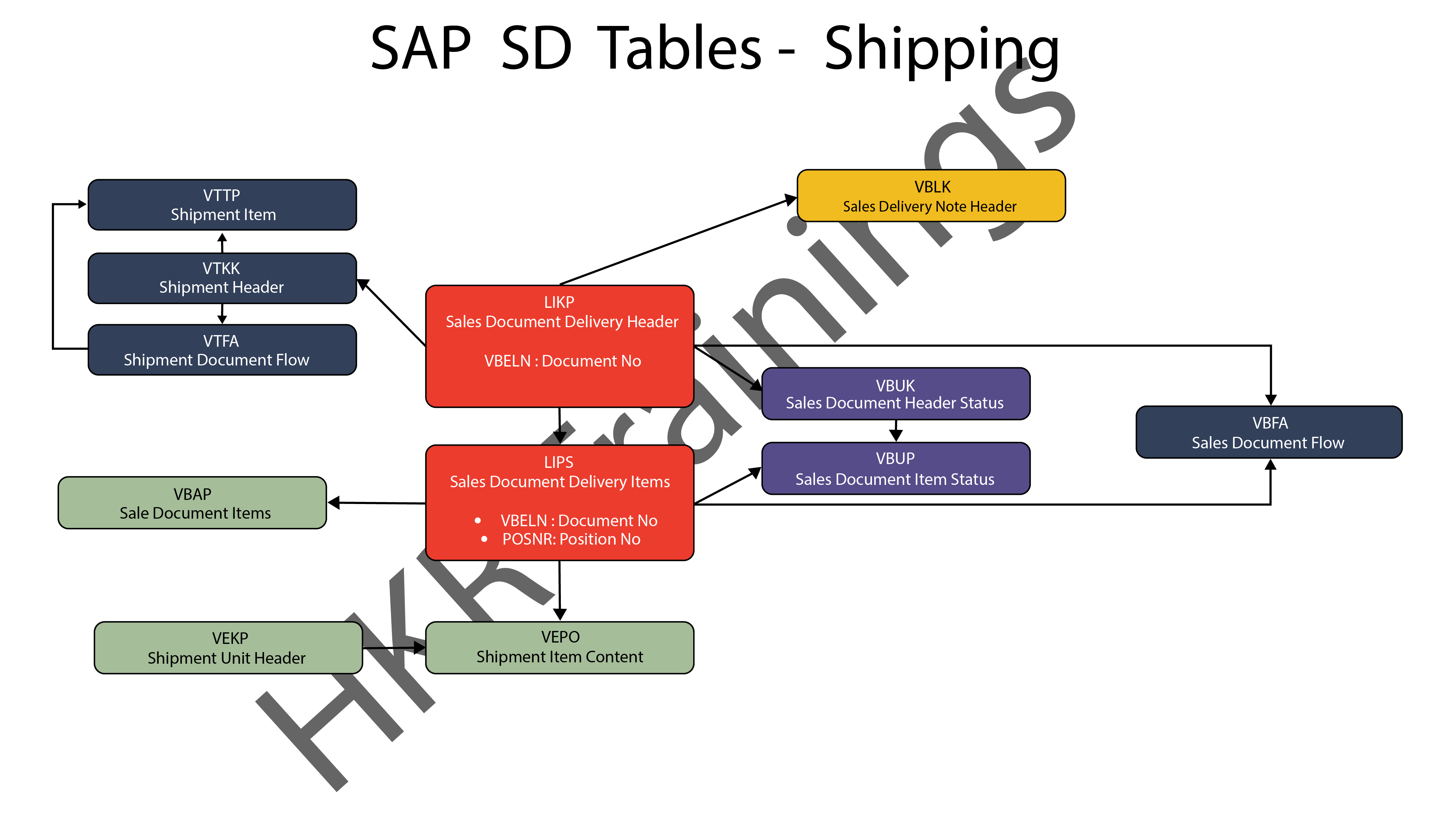
2) Shipping
ThIs section is about SAP SD’s shipping processes. In this section, SAP SD tables deal with inbound and outbound deliveries, as well as shipments. Likewise, we’ve created a visual slide with links illustrating table relationships.
SAP SD Training
Master Your Craft
Lifetime LMS & Faculty Access
24/7 online expert support
Real-world & Project Based Learning
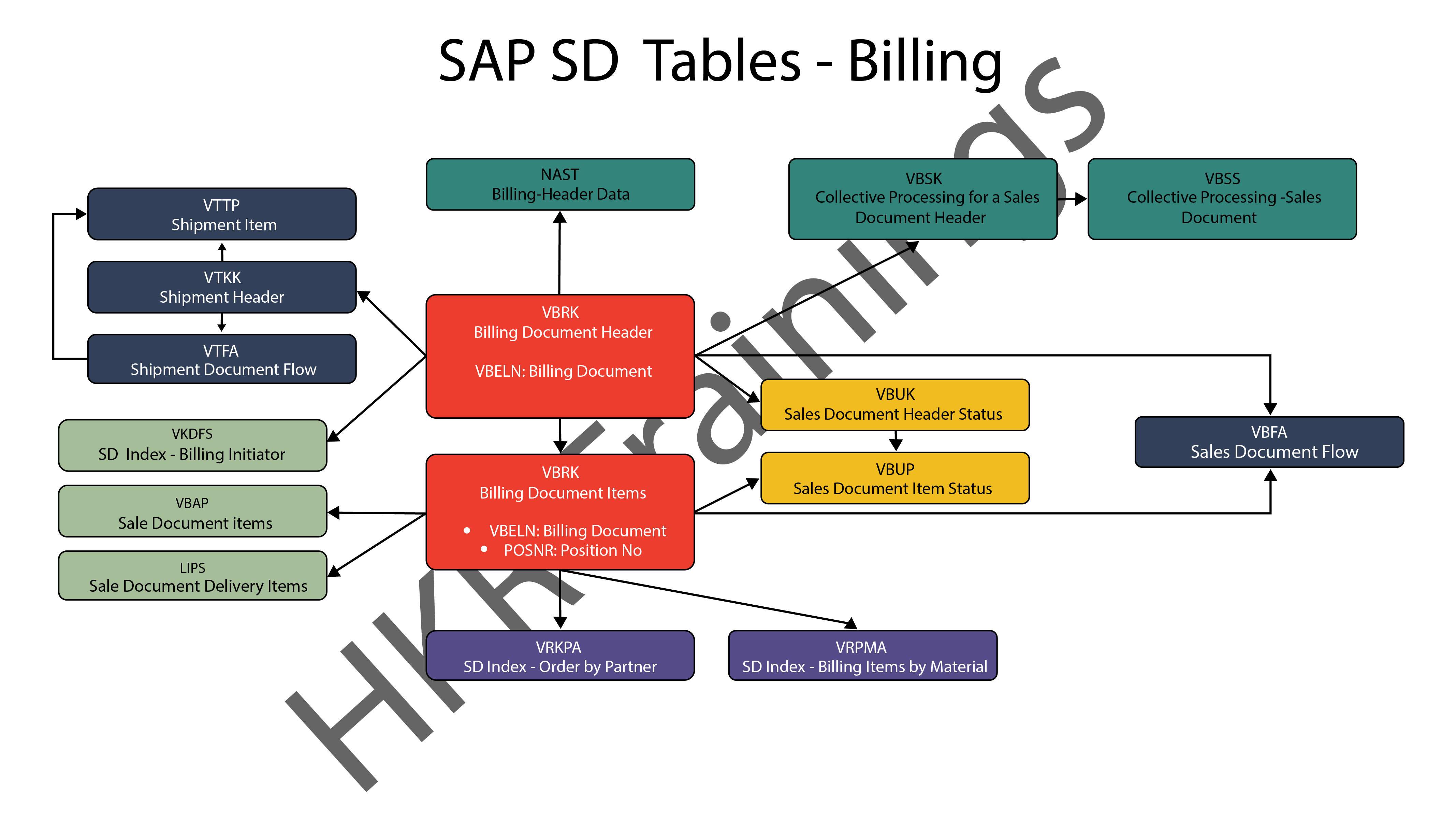
3) Billing
The billing feature of SAP SD is the last but not least. SAP has a variety of tables which are used to support a company’s billing procedures. Billing documents, as well as other related data, such as output conditions, are saved in these tables by SAP.
To provide the best experiences, we use technologies like cookies to store and/or access device information. Consenting to these technologies will allow us to process data such as browsing behavior or unique IDs on this site. Not consenting or withdrawing consent, may adversely affect certain features and functions.
Functional
Always active
The technical storage or access is strictly necessary for the legitimate purpose of enabling the use of a specific service explicitly requested by the subscriber or user, or for the sole purpose of carrying out the transmission of a communication over an electronic communications network.
Preferences
The technical storage or access is necessary for the legitimate purpose of storing preferences that are not requested by the subscriber or user.
Statistics
The technical storage or access that is used exclusively for statistical purposes.The technical storage or access that is used exclusively for anonymous statistical purposes. Without a subpoena, voluntary compliance on the part of your Internet Service Provider, or additional records from a third party, information stored or retrieved for this purpose alone cannot usually be used to identify you.
Marketing
The technical storage or access is required to create user profiles to send advertising, or to track the user on a website or across several websites for similar marketing purposes.