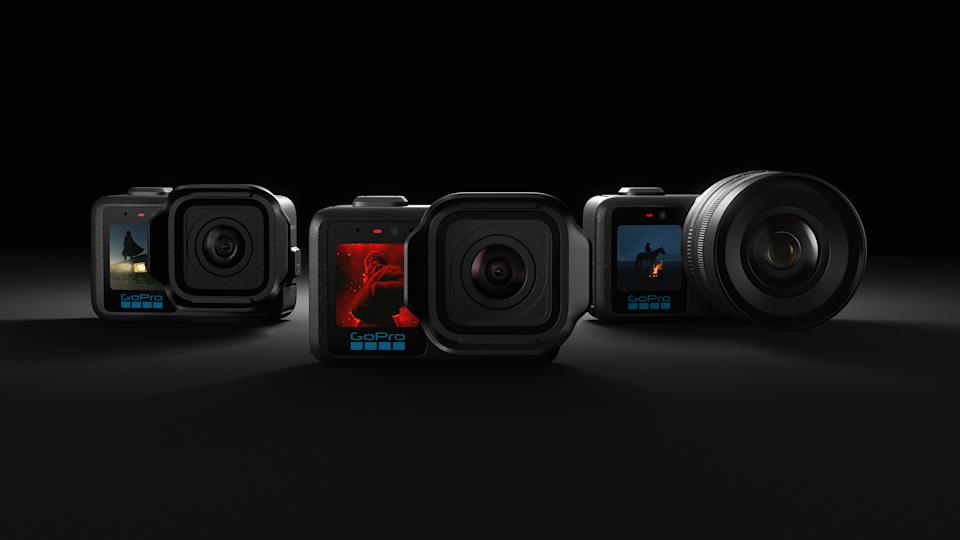
We heard all about GoPro’s new action camera series last week, but the company is now unveiling the pricing across its Mission 1, Mission 1 Pro and Mission 1 Pro ILS cameras. The entry-level Mission 1 ($600) features GoPro’s new 50-megapixel 1-inch sensor, which the company says will offer a major leap in image quality and low-light performance over the Hero 13 line. While largely looking the same as the Hero series (and still waterproof), the Mission 1 can record 8K video at 30fps and 4K at 120fps. It lacks the higher frame rates of the other Mission 1 cameras, but supports 10-bit GP-Log2 color and 32-bit float audio.
The Mission 1 Pro ($700) is the flagship fixed-lens model this year, aimed at the professional (or semi-pro) videographer. It has upgraded frame-rate capture to 8K at 60 fps and 4K at 240 fps, along with an extreme “burst” slow-motion mode that hits 960 fps at 1080p. It also captures 4:3 “Open Gate” recordings at 8K/30fps and 4K/120fps, covering the entire sensor area, enabling more versatile editing and cropping across different screen sizes, including vertical video.
Steve Dent for Engadget
Then there’s the beastly Mission 1 Pro ILS (Interchangeable Lens System). It swaps the standard GoPro lens for a Micro Four Thirds (MFT) mount lens. It otherwise shares the same 1-inch sensor and high-speed 8K/60fps video specs as the Pro model. It also matches the Pro model’s $700 price, with an additional $100 discount for GoPro subscribers. However, it won’t be launching until Q3 2026.
All of the Mission 1 Series accessories will be available on a rolling basis beginning May 28, with GoPro’s own wireless mic system (take note, Rode and DJI) priced at $160. If you preorder a Mission 1 or Mission 1 Pro directly from GoPro now, you’ll get the point-and-shoot grip bundled for free. The company still doesn’t have an official release date for the cameras.
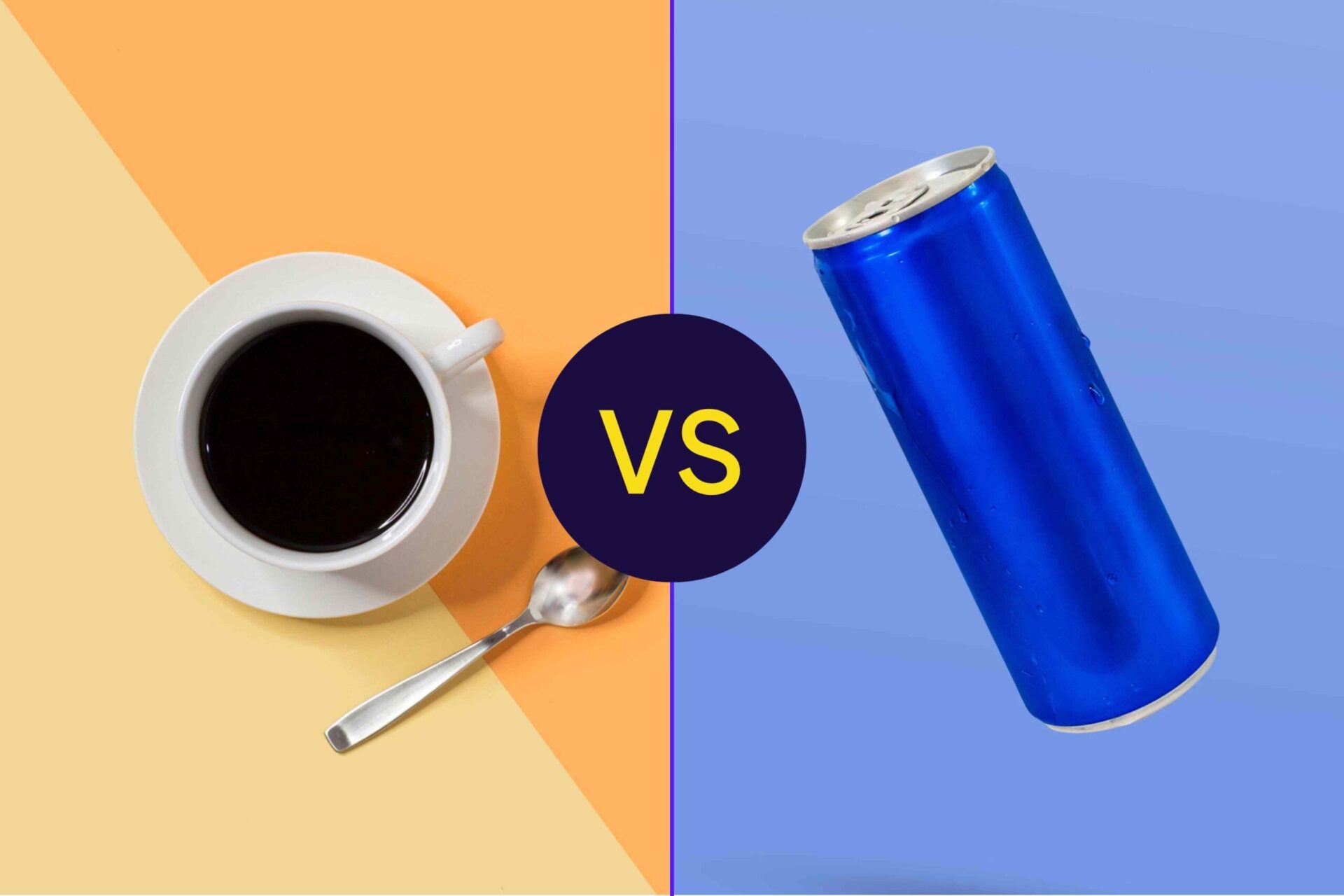
Coffee and energy drinks are popular sources of caffeine, but may have different health effects. Credit: Health / Getty Images
Both coffee and energy drinks can vary in caffeine content.
Moderate caffeine consumption is recommended for reducing the risk to your heart.
Energy drinks have been shown to cause heart problems, but more research is needed.
Coffee and energy drinks are popular options for a quick energy boost. Both caffeinated beverages can support physical endurance, alertness, and reaction time. However, they can also increase heart rate, reduce steadiness, and increase your added sugar intake.
Which One Will Give You More Energy?
Coffee and energy drinks can both range in caffeine content, which can affect their impact on energy levels. Coffee drinks vary in caffeine based on the brew method and bean type, but on average, a cup (8 ounces) of coffee contains about 113-247 milligrams of caffeine.
Standard 16-ounce energy drinks can contain anywhere from 70 to 240 milligrams of caffeine. Concentrated 2-2.5 ounce energy shots pack about 113-200 milligrams of caffeine in a much smaller volume.
It's important to be aware of how much caffeine you’re consuming and check nutrition labels. However, energy drink manufacturers aren’t required to disclose the caffeine content.
Which Has a Greater Impact on Heart Health?
Research shows consuming high levels of caffeine can raise your blood pressure and heart rate, as well as affect your heart’s rhythm. This risk is especially high for children since their cardiovascular and nervous systems aren’t fully developed.
Coffee's effect on heart health is more widely researched than that of energy drinks. Evidence suggests that moderate coffee drinking can support heart health, while heavy consumption increases heart disease risk. How you prepare your coffee also affects the way it impacts your heart. Boiled coffee, like the kind you can make with a French press, can increase your cholesterol levels. High amounts of caffeine can also have negative effects on the heart, so many people with existing heart conditions choose decaf coffee out of caution.
Some case studies show that energy drink consumption can harm heart health, even in young people, but more research is needed to understand the mechanisms behind this. Some of the more severe cases include sudden death from drinking an energy drink.
What Other Ingredients, Besides Caffeine, Can Affect My Health?
Coffee and energy drinks aren’t just pure caffeine. It’s important to consider their other ingredients when thinking about how they can impact your health. Early research suggests some of the cardiovascular effects of coffee and energy drinks may be more related to other ingredients than caffeine.
For example, energy drinks can contain a range of other ingredients, such as guarana (which contains additional caffeine), sugar, B vitamins, and other energy-boosting compounds. Both coffee drinks and energy drinks can contain high amounts of added sugar. Energy drinks can also interact with alcohol and prescription or illicit drugs, causing negative health effects.
Risks of Having Too Much Caffeine
Whether you choose coffee, an energy drink, or another caffeinated drink for your energy boost, it’s important to watch how much caffeine you’re consuming per day. Adults without underlying health conditions should limit their total caffeine intake per day to 400 milligrams. People who are pregnant or breastfeeding should stick to half of that limit, or about 200 milligrams. You can always check with your healthcare provider about your individual health status and their recommendations for your caffeine levels.
To provide the best experiences, we use technologies like cookies to store and/or access device information. Consenting to these technologies will allow us to process data such as browsing behavior or unique IDs on this site. Not consenting or withdrawing consent, may adversely affect certain features and functions.
Functional
Always active
The technical storage or access is strictly necessary for the legitimate purpose of enabling the use of a specific service explicitly requested by the subscriber or user, or for the sole purpose of carrying out the transmission of a communication over an electronic communications network.
Preferences
The technical storage or access is necessary for the legitimate purpose of storing preferences that are not requested by the subscriber or user.
Statistics
The technical storage or access that is used exclusively for statistical purposes.The technical storage or access that is used exclusively for anonymous statistical purposes. Without a subpoena, voluntary compliance on the part of your Internet Service Provider, or additional records from a third party, information stored or retrieved for this purpose alone cannot usually be used to identify you.
Marketing
The technical storage or access is required to create user profiles to send advertising, or to track the user on a website or across several websites for similar marketing purposes.








:max_bytes(150000):strip_icc():format(jpeg)/coffeevsenergydrink-738dcdca64dd44cf913c6acb21f2dc44.jpg "A cup of coffee and a metal can side by side with a VS icon in the middle")