Honor’s Influencer-Coded Robot Phone Set for Fall Launch in China


When Chinese phone-maker Honor first teased its Robot Phone back at the end of last year, I wondered if the concept would ever see the light of day. But after interacting with an early version of the device at Mobile World Congress in March, I became convinced it was really going to happen. Now, it has a launch date — well, almost.

Honor is set to launch the Robot Phone in the third quarter of this year in China, the company announced after taking the device on a night out at the Cannes Film Festival last week. As for Honor’s Humanoid Robot, which also made its debut at MWC? It looks like that might not be quite ready for a full consumer launch just yet.

When I saw the Robot Phone working at MWC, it struck me as being part of a trend in which we’re starting to see less boring phones come to the fore. But even amid a sea of novelty, there’s nothing quite like this.

Watch this: Honor’s Robot Phone Is the First of Its Kind, Integrating Robotics Into a Smartphone

At first glance, there might not seem to be anything unusual about the Robot Phone, but look again, and you’ll see that a sliding cover hides a robotic arm with a gimbal and a camera. To coax the camera out of its hiding place, you simply hold your palm up to the front-facing camera, turn that same hand around, and out it swings.

Thanks to the gimbal, the camera is capable of stabilized tracking shots. In my short time playing with the phone, I also saw that the robotic arm could dance in time with movement, and that the camera could work in tandem with AI software to look you up and down and assess your outfit. (In my case, the conclusion was favorable.) But the real test for the Robot Phone still lies ahead.

Cinematic credentials to woo creators

honor-robot-phone-at-cannes-photo-2

The Robot Phone seems designed with influencers in mind.

Honor

The clear target audience for the Robot Phone is the influencers and creators who currently use handheld action cams, such as the DJI Osmo Pocket. These devices are popular because they’re small and versatile, while offering superb image quality.

For Honor to dream of rivaling handheld cameras, it will need to ensure that it can at least match, if not exceed, that quality. As announced at MWC, it has a secret weapon in this department in the form of a partnership with ARRI, a company that’s made high-end cinema cameras since 1917.

“Today, consumer smartphones have already become a serious tool in professional filmmaking, being used on blockbusters across the globe,” said David Bermbach, managing director at ARRI, in a press release. “That’s why we believe it is time to bring these worlds even closer together. For the first time ever, core elements of ARRI Image Science are being integrated directly into a consumer device.”

If Honor can bring the quality ARRI is known for to its well-regarded phones, as well as ensure the Robot Phone’s mechanical features are truly durable, it could have a compelling product on its hands that encourages creators to toss their standalone cameras aside. 

Mark your calendars for fall — this might just be one of the most unusual and exciting phone launches of the year.


Source link

Leave a Reply

Subscribe to Our Newsletter

Get our latest articles delivered straight to your inbox. No spam, we promise.

Recent Reviews


TSA allows bringing any homemade food on planes, as long as it isn’t in liquid, jam, paste, or cream form.

Most airlines also allow you to consume your own food during the flight. The only exception is very short flights below 1 hour. That’s because you won’t be able to consume it while the airplane hasn’t reached cruising altitude (while the seatbelt sign is on). On shorter flights, sometimes, airplanes don’t even reach cruising altitude, or they do it only for a very short time period.

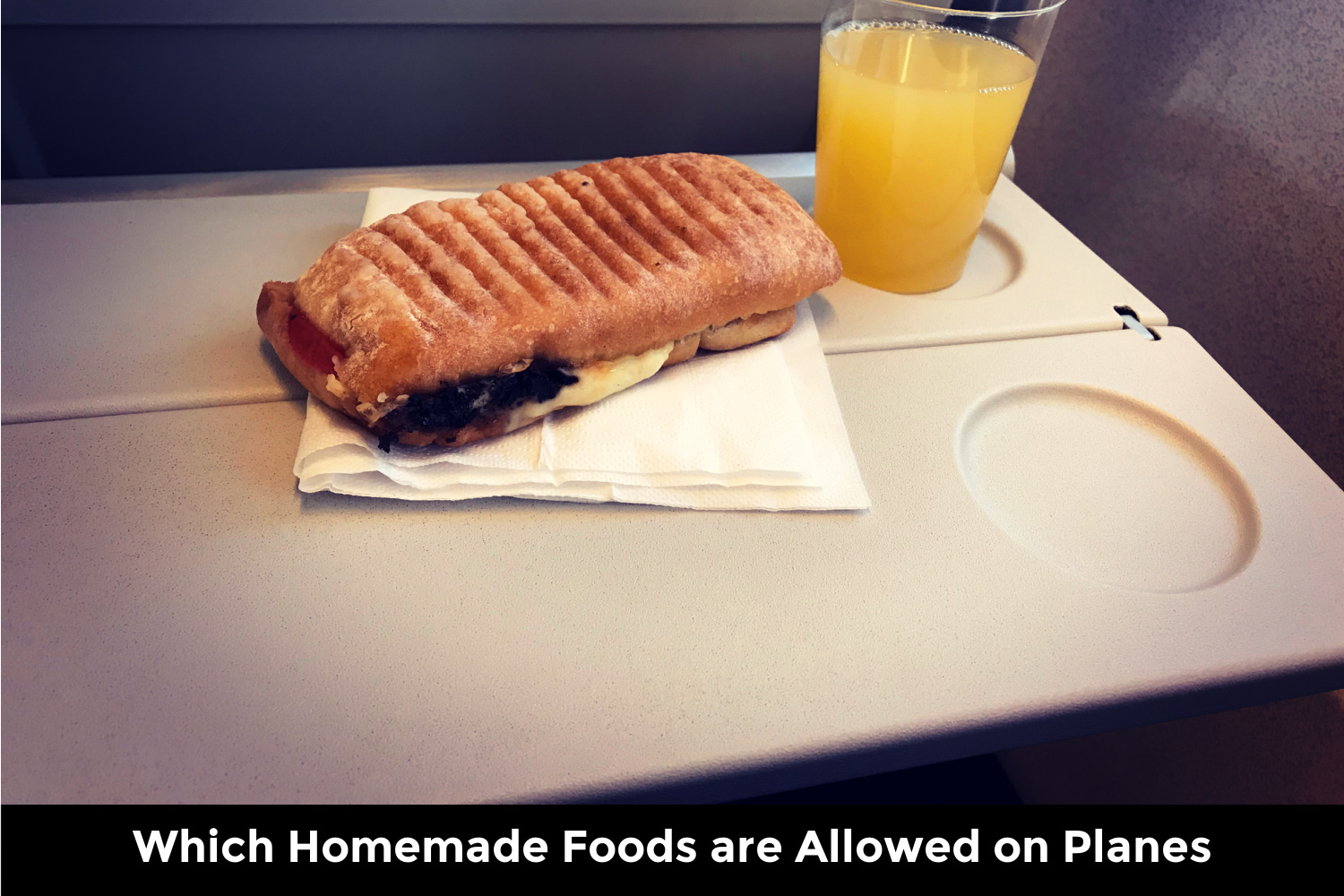
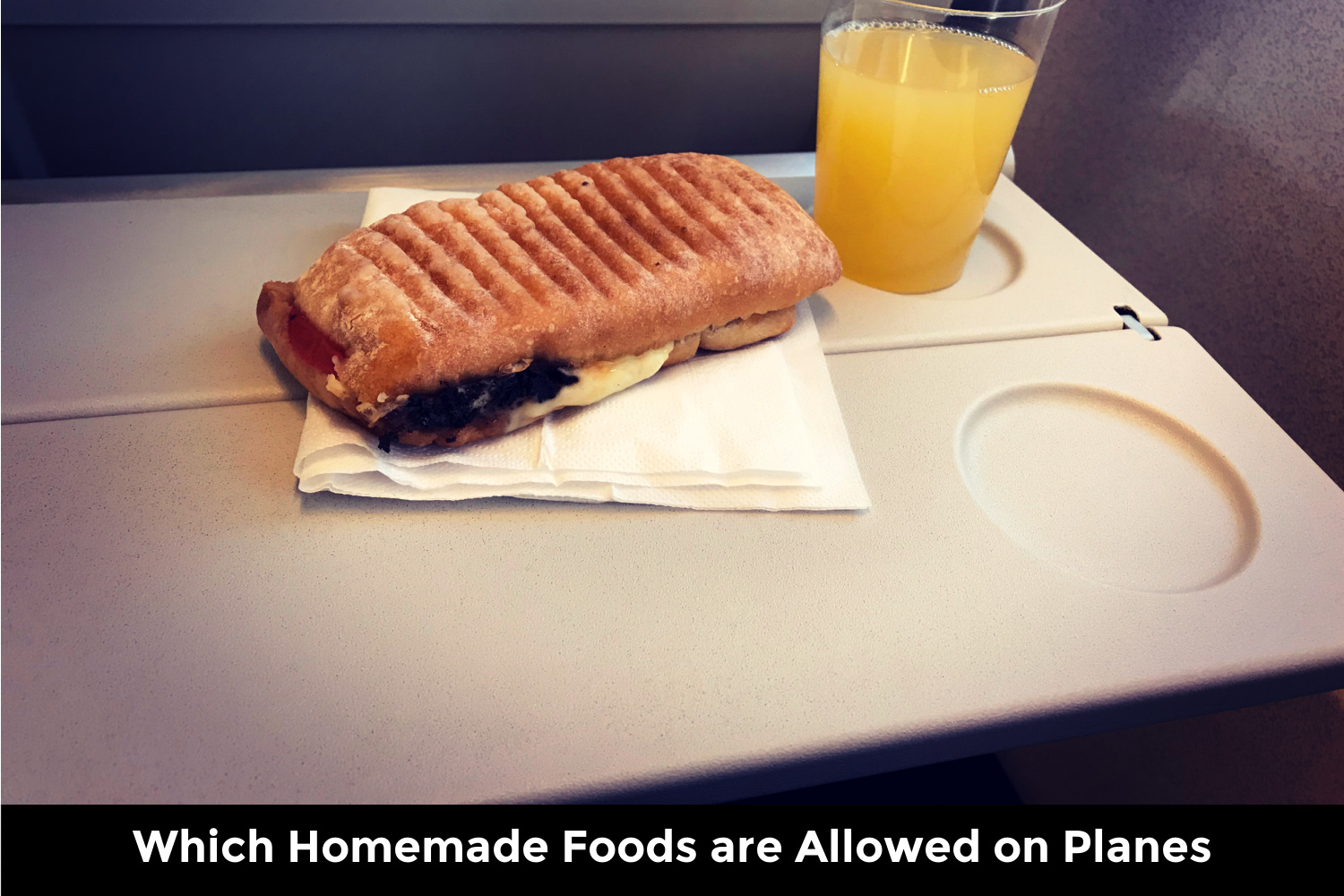
Which Homemade Foods are Allowed on Planes

All homemade foods that are in solid or powder form are allowed. Airport security can easily scan it with regular scanners, so it isn’t considered a security threat.

Here are some homemade foods that are allowed on planes without any restrictions:

  • Pizza
  • Sandwiches
  • Hamburgers
  • Tortillas and tacos
  • Salads without (or very little) sauce
  • Nuts
  • Dried fruit
  • Granola bars
  • Sweets
  • Chocolate
  • Cookies
  • Fruit (fresh, cut, or frozen)
  • Vegetables (fresh, cut, or frozen)
  • Beef jerky
  • Potato chips
  • Pasta without a lot of sauce
  • Risotto
  • Cooked vegetables

Which Homemade Foods are Restricted on Planes

All homemade foods in liquid form are limited to small quantities in hand luggage due to security risks. If it’s considered a liquid, then it will have to be stored in 3.4 oz (100 ml) containers or smaller and be packed in a 1-quart bag together with other liquids. If you can smear it, it’s considered a liquid.

Here are some examples of foods that are considered liquids:

  • Applesauce
  • Peanut butter
  • Jams
  • All other sauces
  • Butter
  • Smoothies
  • Smearable cheese
  • Nutella
  • Soup

Powdered foods and spices also have additional limitations. On flights in the US, powders above 350 g (12 oz) are allowed in hand luggage but must be individually screened. On international flights, powders over 350 g (12 oz) are usually banned from hand luggage.

Here are some foods that are considered powders:

  • Salt
  • Spices
  • Protein powder
  • Cocoa powder

Powders over 12 oz (350 g) and liquids over 3.4 oz (100 ml) are only allowed in checked baggage.

It’s also worth noting that on domestic flights in New Zealand and Australia, and on a few flights in the US and the UK, these restrictions don’t apply. That’s because some airports are fitted with new CT 3D scanners, which can safely scan liquids in large quantities in hand luggage as well as powders.

Fresh Fruit, Vegetables, Eggs, Meat, and Milk are Banned on International Flights

After passengers land on international flights, they have to go through Customs and Immigration. And they impose additional rules on products that may cause ecological problems within that specific country.

Fresh fruit, vegetables, eggs, meat, milk, mushrooms, and plants are usually banned from entering other countries. That’s because they can contain invasive pests and diseases.

So if you’re bringing any of these products, you’ll have to consume them during the flight (before landing). If you don’t do that, the border agents will ask you to dispose of them. You’re also required to declare them.

How to Pack Homemade Food for Air Travel

  • The best option for storing sandwiches, burgers, tortillas, and cooked foods, is to wrap them in aluminum foil and then put them inside a plastic bag. This will keep the food fresh and avoid making a mess. Aluminum won’t cause any disturbances with the airport scanners.
  • Salads, cut fruit, vegetables, pasta, risotto, and other messy foods are best stored in Tupperware containers. Another option is to put them in a disposable ice cream box, and then throw it in the trash bin when you’re finished.
  • Make good use of Ziploc bags. They’re great for storing messy and smelly foods.
  • You can bring forks and spoons through security, but not knives.
  • You’ll most likely be asked to remove your homemade food from your bag when going through security. You’ll have to place it in a separate screening bin. That’s because food is hard to scan with the airport scanners. So pack it somewhere easily accessible.
  • Your food counts towards the hand luggage size and weight allowance. So you should pack it inside your personal item or carry-on.
  • Pack small snacks in the pockets of your jacket and wear them while going through security if you’re low on space.

Summing Up – Traveling With Homemade Food

Although it isn’t really a rule, you should avoid bringing homemade food that contains a lot of garlic (or in general, has a strong aroma) on the flight. Other passengers might not like the smell and you might even be asked to stow it away by the flight attendants if the smell is too strong.

But other than that, you’re free to pack almost any homemade food. The only thing to watch out for is that it shouldn’t contain a large amount of liquids. A bit of sauce on pasta is usually fine.


Source link