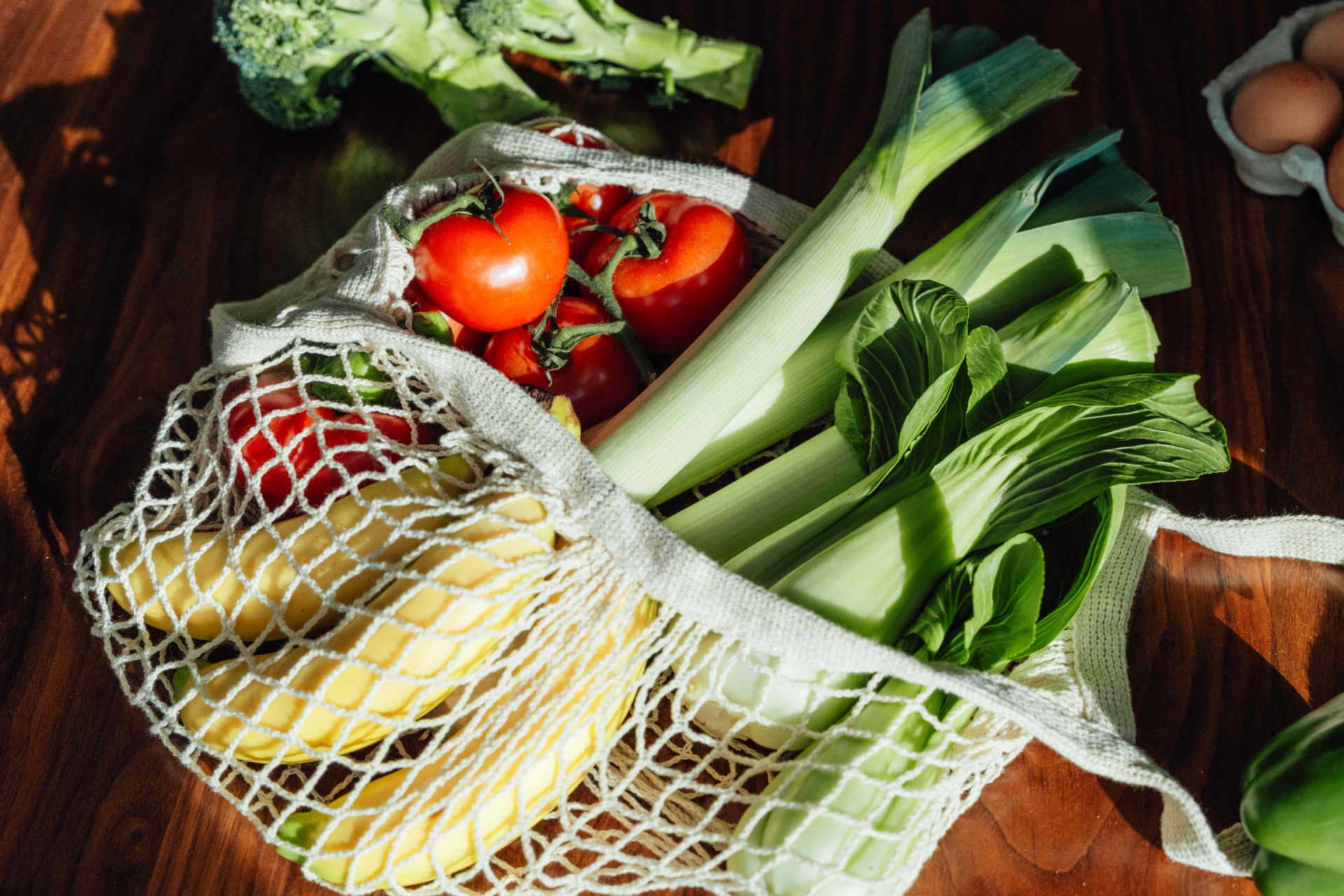
:max_bytes(150000):strip_icc():format(jpeg)/Health-GettyImages-2200245287-d793d74301cf46599a1095d347d4cdda.png "Mesh bag with various vegetables including tomatoes leeks and bananas on a wooden surface.")
Credit: Oscar Wong / Getty Images
- Prebiotic fiber feeds beneficial gut bacteria, supporting digestion and microbiome health.
- Emerging research has also linked prebiotics to more stable energy and potential brain health benefits.
- If you’re looking to increase your intake of prebiotic fiber, make sure to drink lots of water and add small amounts of fiber-rich foods at first.
Prebiotic fiber helps fuel the bacteria in your gut, which can have a number of beneficial effects on your health. Specifically, eating foods rich in this kind of fiber may help support normal digestion, stable energy levels, and possibly better brain health.
What Is Prebiotic Fiber?
Prebiotic fiber is a type of soluble fiber that your body can’t digest—but the beneficial bacteria living in your gut can. These healthy microbes break down prebiotic fiber in the colon, which is good for your gut, as well as many other aspects of your health.
Common sources of prebiotic fiber include:
- Garlic, onions, and leeks
- Asparagus, tomatoes, and Jerusalem artichokes
- Whole grains, such as oats, wheat, and barley
- Bananas
- Lentils, chickpeas, peas, and beans
Possible Benefits of Adding More Prebiotic Fiber to Your Diet
1. Better Digestion and Long-Term Gut Health
Evidence suggests that prebiotic fiber may be able to help digestion by supporting more regular bowel movements and easing constipation.
Over time, the benefits go further. Prebiotic fiber can help increase concentrations of beneficial gut bacteria. When these gut bacteria break down prebiotic fibers, they produce compounds called short-chain fatty acids, which help support the gut barrier, boost immune health, and keep inflammation in check.
While prebiotic fiber-rich foods have links to many gut health benefits, people with digestive issues—especially irritable bowel syndrome (IBS)—may find that these foods worsen gas or bloating. These symptom responses often vary based on the type of prebiotic fiber you're eating and each person's individual digestion sensitivities.
2. More Stable Energy Levels
Prebiotic fiber doesn't provide a quick energy boost, but it may help support steady energy throughout the day. There are a few potential reasons why:
- Blood sugar support: Certain types of prebiotic fiber—particularly resistant starch and inulin-type fructans—may help reduce blood sugar spikes after meals. While blood sugar drops can make you feel dizzy or tired, more stable blood sugar levels should help you feel sharp and energized.
- Inflammation: Prebiotics may also help reduce low-grade inflammation, which has links to fatigue. One six-week study found that supplementation with inulin (a prebiotic fiber) reduced inflammatory markers in the body.
- Nutrient absorption: Early evidence suggests that prebiotics may help support the absorption of iron, which supports metabolism and adequate energy for your cells. However, more research needs to be done, and the findings appear dependent on diet, dose, and other individual factors.
3. Potential Support for Brain Function Via the Gut-Brain Axis
Your digestive tract and your brain are closely connected through a communication system called the gut-brain axis.
The bacteria in your gut help regulate this system, so prebiotics have been studied for their potential effects on mood, stress, and cognitive function.
Specifically, the good bacteria in your gastrointestinal tract produce short-chain fatty acids, which may be able to reduce inflammation and influence your brain health.
One 2015 study found that participants who consumed five grams of inulin (a type of prebiotic fiber) later reported feeling happier, plus they performed better on memory tests, including recognition and recall.
But in general, the evidence is more mixed. A small 2024 study found that older adults who drank a prebiotic drink saw improvements in cognition scores as compared to those who did not, though the researchers were unsure if the link was "meaningful."
Similarly, a 2024 review of studies concluded that there was an association between prebiotic intake and a reduction in participants' depression symptoms, though the link overall was considered weak and not significant.
How To Increase Prebiotic Fiber
Prebiotic fiber-rich foods can be a positive addition to your diet, but for the greatest benefits (and least amount of digestive discomfort), consider the following tips:
- Build it in gradually: Start by adding one prebiotic fiber-rich food per day (like oats at breakfast, or asparagus at dinner) and slowly increase over time to improve tolerance.
- Aim for variety: Rotate sources such as onions, garlic, legumes, and whole grains to feed different types of beneficial gut bacteria.
- Pair with hydration: Drink plenty of water throughout the day, as fiber works best when there’s enough fluid to help it move through the digestive system comfortably.