
The company has yet to reveal its price and availability.
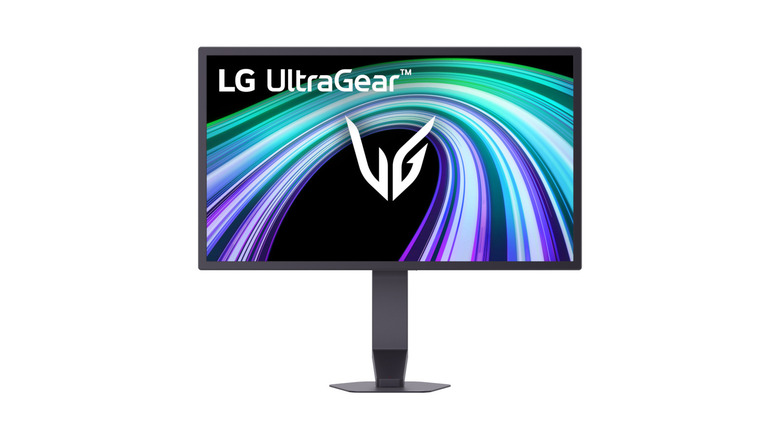
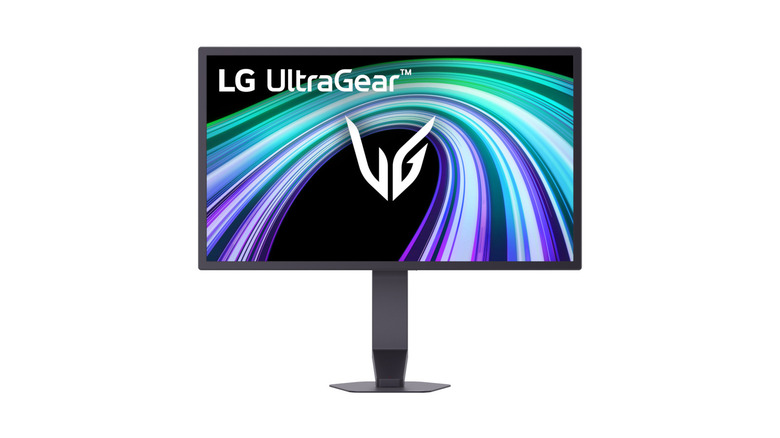
LG has introduced what it claims is the world’s first Full HD (1,920 x 1,080) gaming monitor with a native 1,000Hz refresh rate. The company designed the new LG UltraGear with fast-paced first-person shooters in mind, where accurate aiming and speedy reaction times are of utmost importance. It’s most likely overkill for most people, even gamers who play just for the pleasure of it. For competitive players who value high refresh rates in monitors the most, however, the UltraGear seems to be a good model to consider.
Samsung and Acer had launched 1,000Hz models over the past months, but they’re dual-mode monitors that require players to lower their resolution in order to enjoy the highest refresh rate they’re capable of. Players can only activate their 1,000Hz refresh rate capability if they switch to 720p in resolution. In Acer’s case, its monitor switches to 500Hz if it’s at 1440p. LG says the UltraGear can achieve native 1,000Hz at Full HD resolution, which means its screen updates 1,000 times per second.
The higher the refresh rate, the less a screen lags. Monitors with high refresh rates can show moving objects to the users more clearly with less motion blurring and stuttering. Further, it reduces the delay between physical mouse movements or keyboard clicks and the action on screen. Most monitors these days top out at 240Hz, and that’s perfectly fine for most users, even gamers who play FPS titles. Since 1,000Hz monitors are rare, we can’t quite say if they deliver a noticeably better experience that would make them a must-have. Again, LG’s potential customers for this model are mostly highly competitive gamers and actual esports players.
The UltraGear has a 24.5-inch display with an IPS panel and low-reflection film. It has a small base so it doesn’t take up a lot of space and allows users to adjust its tilt and height for the perfect view. It also has an integrated hook for headset storage. Like a lot of devices released these days, UltraGear comes with AI capabilities. It has on-device AI Scene Optimization that adjusts picture settings according to genre, as well as AI Sound for spatial audio. Unfortunately, LG has yet to reveal the model’s pricing and availability.

Stephan is the sports journalist for the Maple Grove Report.