Meet the woman that helped revamp a Minneapolis food shelf


Taking care of the south Minneapolis community is something that runs deep for Sherri Green.

“I grew up in the community. My father was the superintendent of schools here,” she said. “So community is in my blood.”

Green is the director of critical services at Sabathani Community Center. Her work involves managing and implementing programs at the Sabathani Food Distribution.

Her father, the first Black superintendent of Minneapolis Public Schools, made sure she and her siblings were involved in their neighborhood, including going to programs at Sabathani when Green was a child.

“That’s how I got here,” Green said. “Because to serve the community is the best thing to do.”

Before working at Sabathani, Green was working as human resources consultant, supporting community centers. It was a friend that got her interested in joining the food distribution side.

She said it was a big shift.

“I got to actually touch people in the community. Talk to them, feed them, tell them what we’re doing,” she said. “I’m a relator, so I build relationships. I’m at home at what I do.”

Six years at the job, she’s helped revamp the food shelf. They’ve grown from six employees to 30, developed programs for housing, seniors and workforce readiness. The food shelf sees about 120 people a day, so Green implemented a way for visitors to make appointments and also hired more workers that can speak the languages of the people coming in.

“I don’t want anybody coming down to our food shelf and feel uncomfortable because I don’t understand the language,” she said. “Dignity is on the top of the list.”

Additionally, she redesigned and expanded the waiting area and included a small room for parents to drop off their kids while they make their way through the food shelf. Plus a clothing closet for visitors to grab garments they need.

Much of the time, when Green visits the shelf, people will stop her to give her thanks or a hug.

“This is why I do this. This is exactly why,” she said. “When people say thank you.”
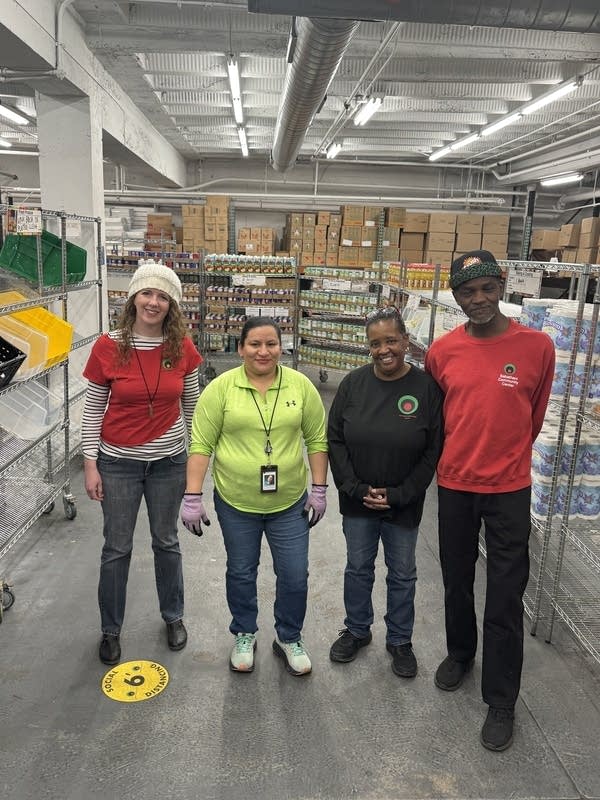
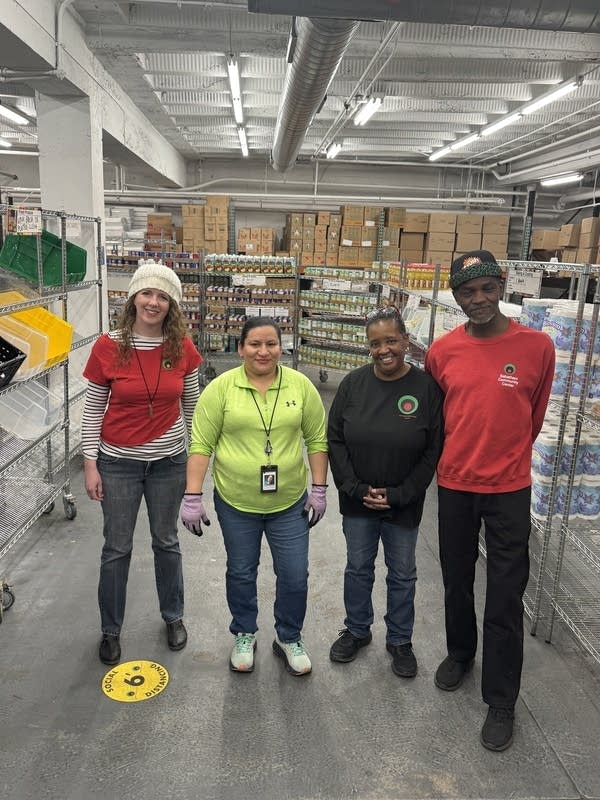
Four people stand in a warehouse with food on shelves.
From left to right, food shelf coordinator Cheryl Childs, food shelf associate Gabby Mercedo, director of critical services Sherri Green, and food shelf associate Gregory Perry stand next to each other in the Sabathani Food Shelf, located in the lower level of Sabathani Community Center in south Minneapolis.
Courtesy of Sherri Green

This conversation is a part of our Job Interview series, where we talk to everyday Minnesotans about the rewards and challenges of their work. This interview has been lightly edited for style and clarity.

Click on the audio player for the original version.

Official title: Director of critical services.

What I actually do: I feed and clothe people.

A great day at work: When people say thank you, and they say, “Thank you for listening to me, thank you for understanding that I had this need.” That’s the biggest thing.

The hardest part: To watch the growing number of people that need food, that need essential needs. That is right now a tough thing to watch.

Is it heartbreaking? To some extent, but the other side of it is that I’m happy I’m able to provide the services I need to.

What I’ve learned: Leading with a bit more empathy and understanding for people that have an essential need is the biggest thing I had to get used to. Because I started out not really understanding it and having people get kind of get frustrated with me, because I was kind of moving fast.

I’m to the point where I slow down, and if somebody has a story, I stop and listen. I wasn’t doing that when I first started.




Source link

Leave a Reply

Subscribe to Our Newsletter

Get our latest articles delivered straight to your inbox. No spam, we promise.

Recent Reviews


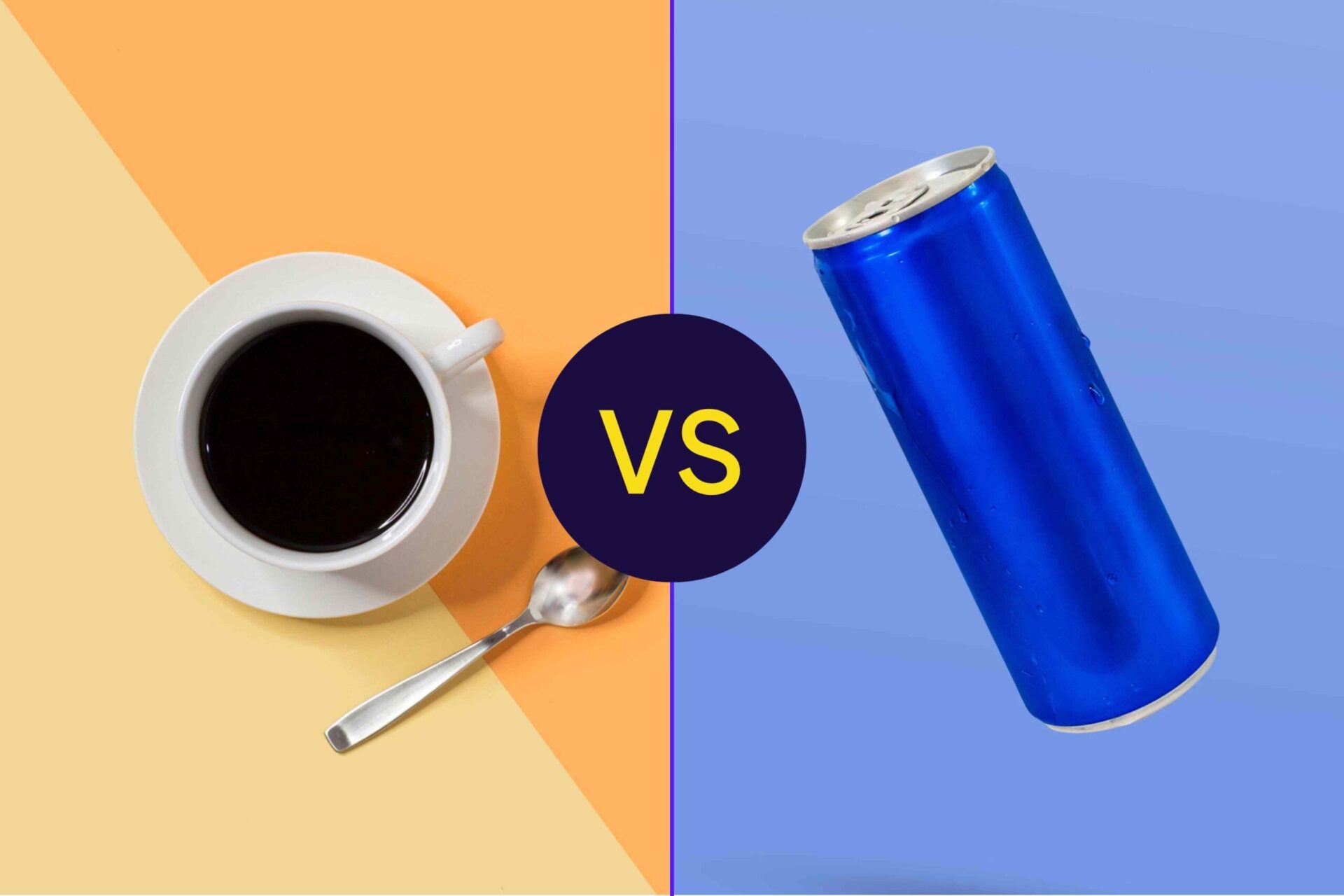
Coffee and energy drinks are popular sources of caffeine, but may have different health effects.Credit: Health / Getty Images
Coffee and energy drinks are popular sources of caffeine, but may have different health effects.
Credit: Health / Getty Images
  • Both coffee and energy drinks can vary in caffeine content.
  • Moderate caffeine consumption is recommended for reducing the risk to your heart.
  • Energy drinks have been shown to cause heart problems, but more research is needed.

Coffee and energy drinks are popular options for a quick energy boost. Both caffeinated beverages can support physical endurance, alertness, and reaction time. However, they can also increase heart rate, reduce steadiness, and increase your added sugar intake.

Which One Will Give You More Energy?

Coffee and energy drinks can both range in caffeine content, which can affect their impact on energy levels. Coffee drinks vary in caffeine based on the brew method and bean type, but on average, a cup (8 ounces) of coffee contains about 113-247 milligrams of caffeine.

Standard 16-ounce energy drinks can contain anywhere from 70 to 240 milligrams of caffeine. Concentrated 2-2.5 ounce energy shots pack about 113-200 milligrams of caffeine in a much smaller volume.

It's important to be aware of how much caffeine you’re consuming and check nutrition labels. However, energy drink manufacturers aren’t required to disclose the caffeine content.

Which Has a Greater Impact on Heart Health?

Research shows consuming high levels of caffeine can raise your blood pressure and heart rate, as well as affect your heart’s rhythm. This risk is especially high for children since their cardiovascular and nervous systems aren’t fully developed.

Coffee's effect on heart health is more widely researched than that of energy drinks. Evidence suggests that moderate coffee drinking can support heart health, while heavy consumption increases heart disease risk. How you prepare your coffee also affects the way it impacts your heart. Boiled coffee, like the kind you can make with a French press, can increase your cholesterol levels. High amounts of caffeine can also have negative effects on the heart, so many people with existing heart conditions choose decaf coffee out of caution.

Some case studies show that energy drink consumption can harm heart health, even in young people, but more research is needed to understand the mechanisms behind this. Some of the more severe cases include sudden death from drinking an energy drink.

What Other Ingredients, Besides Caffeine, Can Affect My Health? 

Coffee and energy drinks aren’t just pure caffeine. It’s important to consider their other ingredients when thinking about how they can impact your health. Early research suggests some of the cardiovascular effects of coffee and energy drinks may be more related to other ingredients than caffeine.

For example, energy drinks can contain a range of other ingredients, such as guarana (which contains additional caffeine), sugar, B vitamins, and other energy-boosting compounds. Both coffee drinks and energy drinks can contain high amounts of added sugar. Energy drinks can also interact with alcohol and prescription or illicit drugs, causing negative health effects.

Risks of Having Too Much Caffeine

Whether you choose coffee, an energy drink, or another caffeinated drink for your energy boost, it’s important to watch how much caffeine you’re consuming per day. Adults without underlying health conditions should limit their total caffeine intake per day to 400 milligrams. People who are pregnant or breastfeeding should stick to half of that limit, or about 200 milligrams. You can always check with your healthcare provider about your individual health status and their recommendations for your caffeine levels.

If you consume too much caffeine, you may notice:

  • A faster heart rate or a racing heart
  • High blood pressure
  • Trouble sleeping
  • Anxiety or jitters
  • Nausea or an upset stomach
  • Headache

If you’re choosing an energy drink, research suggests having only one drink at a time, with a max of two per day, for safer outcomes.


Source link