It looks like Nika King‘s long-waited return to Euphoria only amounted to one line in the Sunday (May 17) episode.
The actress, who portrays Rue’s mom, was featured in a phone call scene with Zendaya, but it was only the young star who really spoke. At the end of the call Nika‘s Leslie told Rue she loved her.
Nika reacted to being cut on her social media
“Wait y’all. I just watched the episode that I’ve been promoting all week… and my mom over here is clowning me! She said the internet waited all this time for me to just say one line,” Nika said on Instagram.
Her mom then could be heard saying “three years,” indicating that she had not been featured on the show since 2022, highlighting how long fans had waited to hear just one line from her.
“Y’all I can’t do nothing but laugh at this. When your mama clown you. It’s… I don’t know. You better be glad I have a sense of humor. You better be glad I’ve got thick skin,” she added.
She later confirmed she did film more, but it was all cut.
In a follow up post, she wrote, “This scene didn’t make the cut but when I walked on set and saw this Bible on the table, I got emotional. Not as Leslie, but as Nika. Because there have been so many times in my life where all I could sit down and open the Word and ask TMH to help me keep going. People they don’t always see the prayers behind the scenes. The silent tears. The waiting. The moments where you feel overlooked, tired or unsure about what TMH is doing next BUT KEEP TRUSTING HIM .”
TSA allows bringing any homemade food on planes, as long as it isn’t in liquid, jam, paste, or cream form.
Most airlines also allow you to consume your own food during the flight. The only exception is very short flights below 1 hour. That’s because you won’t be able to consume it while the airplane hasn’t reached cruising altitude (while the seatbelt sign is on). On shorter flights, sometimes, airplanes don’t even reach cruising altitude, or they do it only for a very short time period.
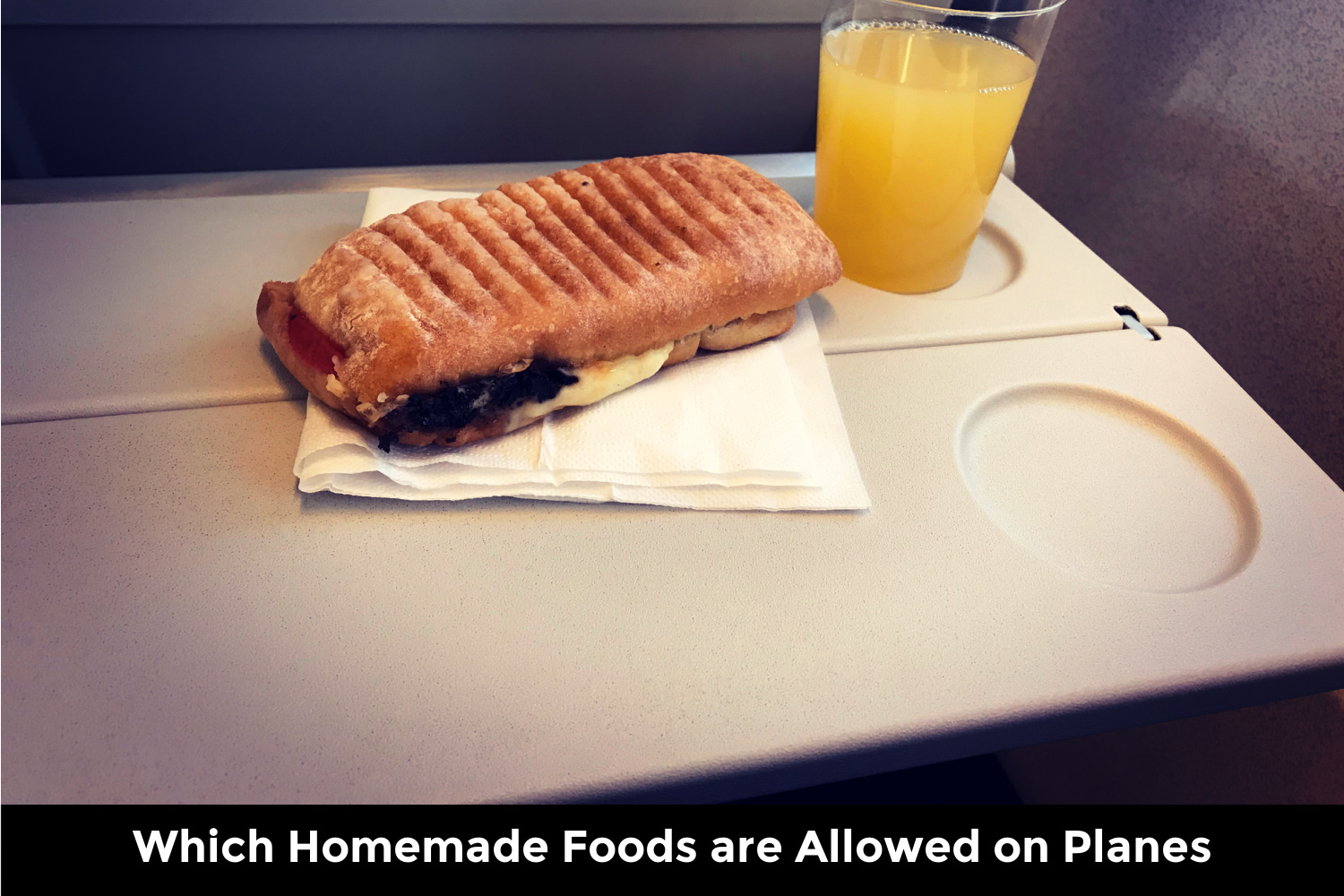
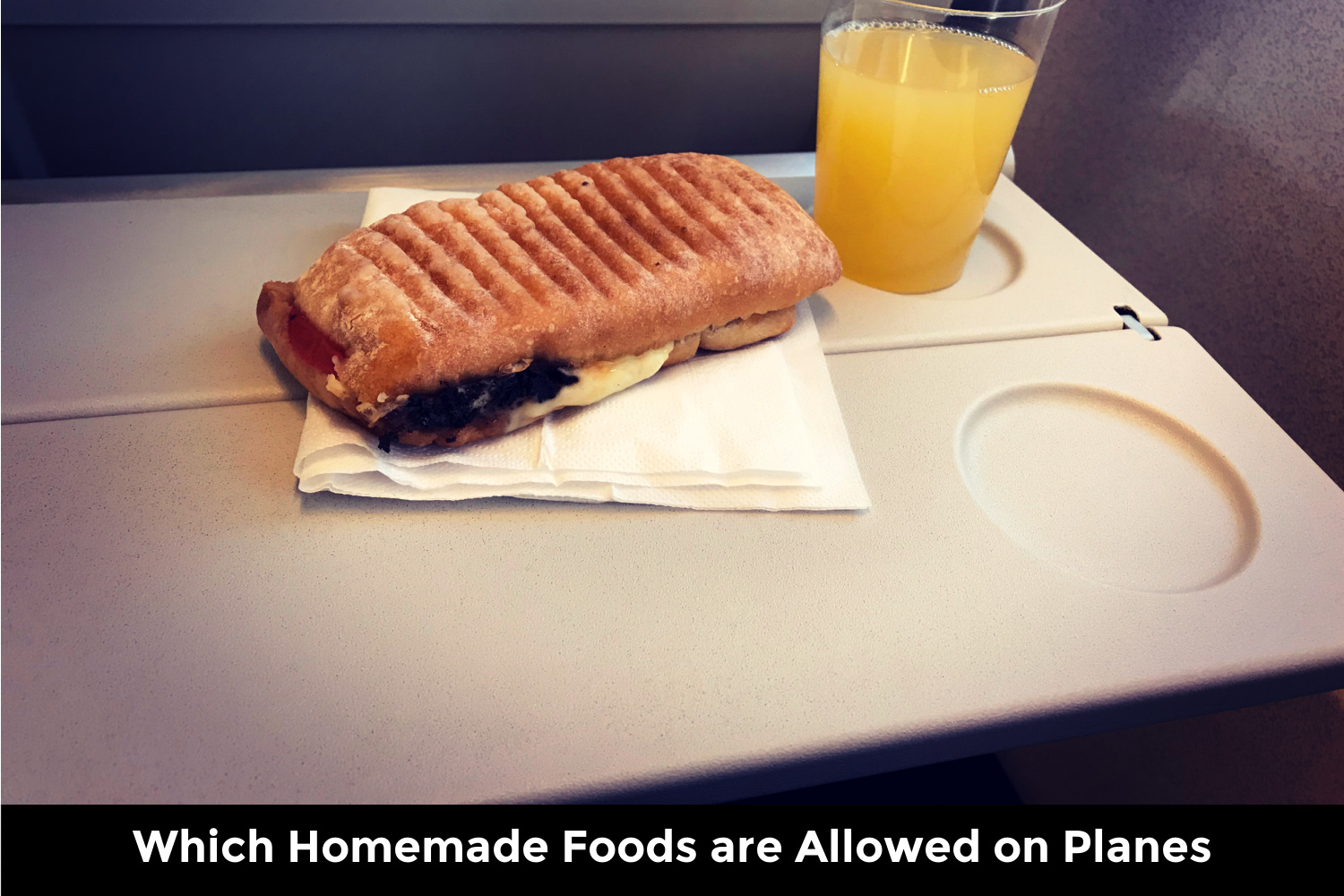
Which Homemade Foods are Allowed on Planes
All homemade foods that are in solid or powder form are allowed. Airport security can easily scan it with regular scanners, so it isn’t considered a security threat.
Here are some homemade foods that are allowed on planes without any restrictions:
All homemade foods in liquid form are limited to small quantities in hand luggage due to security risks. If it’s considered a liquid, then it will have to be stored in 3.4 oz (100 ml) containers or smaller and be packed in a 1-quart bag together with other liquids. If you can smear it, it’s considered a liquid.
Here are some examples of foods that are considered liquids:
Applesauce
Peanut butter
Jams
All other sauces
Butter
Smoothies
Smearable cheese
Nutella
Soup
Powdered foods and spices also have additional limitations. On flights in the US, powders above 350 g (12 oz) are allowed in hand luggage but must be individually screened. On international flights, powders over 350 g (12 oz) are usually banned from hand luggage.
Here are some foods that are considered powders:
Salt
Spices
Protein powder
Cocoa powder
Powders over 12 oz (350 g) and liquids over 3.4 oz (100 ml) are only allowed in checked baggage.
It’s also worth noting that on domestic flights in New Zealand and Australia, and on a few flights in the US and the UK, these restrictions don’t apply. That’s because some airports are fitted with new CT 3D scanners, which can safely scan liquids in large quantities in hand luggage as well as powders.
Fresh Fruit, Vegetables, Eggs, Meat, and Milk are Banned on International Flights
After passengers land on international flights, they have to go through Customs and Immigration. And they impose additional rules on products that may cause ecological problems within that specific country.
Fresh fruit, vegetables, eggs, meat, milk, mushrooms, and plants are usually banned from entering other countries. That’s because they can contain invasive pests and diseases.
So if you’re bringing any of these products, you’ll have to consume them during the flight (before landing). If you don’t do that, the border agents will ask you to dispose of them. You’re also required to declare them.
How to Pack Homemade Food for Air Travel
The best option for storing sandwiches, burgers, tortillas, and cooked foods, is to wrap them in aluminum foil and then put them inside a plastic bag. This will keep the food fresh and avoid making a mess. Aluminum won’t cause any disturbances with the airport scanners.
Salads, cut fruit, vegetables, pasta, risotto, and other messy foods are best stored in Tupperware containers. Another option is to put them in a disposable ice cream box, and then throw it in the trash bin when you’re finished.
Make good use of Ziploc bags. They’re great for storing messy and smelly foods.
You can bring forks and spoons through security, but not knives.
You’ll most likely be asked to remove your homemade food from your bag when going through security. You’ll have to place it in a separate screening bin. That’s because food is hard to scan with the airport scanners. So pack it somewhere easily accessible.
Your food counts towards the hand luggage size and weight allowance. So you should pack it inside your personal item or carry-on.
Pack small snacks in the pockets of your jacket and wear them while going through security if you’re low on space.
Summing Up – Traveling With Homemade Food
Although it isn’t really a rule, you should avoid bringing homemade food that contains a lot of garlic (or in general, has a strong aroma) on the flight. Other passengers might not like the smell and you might even be asked to stow it away by the flight attendants if the smell is too strong.
But other than that, you’re free to pack almost any homemade food. The only thing to watch out for is that it shouldn’t contain a large amount of liquids. A bit of sauce on pasta is usually fine.
To provide the best experiences, we use technologies like cookies to store and/or access device information. Consenting to these technologies will allow us to process data such as browsing behavior or unique IDs on this site. Not consenting or withdrawing consent, may adversely affect certain features and functions.
Functional
Always active
The technical storage or access is strictly necessary for the legitimate purpose of enabling the use of a specific service explicitly requested by the subscriber or user, or for the sole purpose of carrying out the transmission of a communication over an electronic communications network.
Preferences
The technical storage or access is necessary for the legitimate purpose of storing preferences that are not requested by the subscriber or user.
Statistics
The technical storage or access that is used exclusively for statistical purposes.The technical storage or access that is used exclusively for anonymous statistical purposes. Without a subpoena, voluntary compliance on the part of your Internet Service Provider, or additional records from a third party, information stored or retrieved for this purpose alone cannot usually be used to identify you.
Marketing
The technical storage or access is required to create user profiles to send advertising, or to track the user on a website or across several websites for similar marketing purposes.