Fact checked by Nick Blackmer
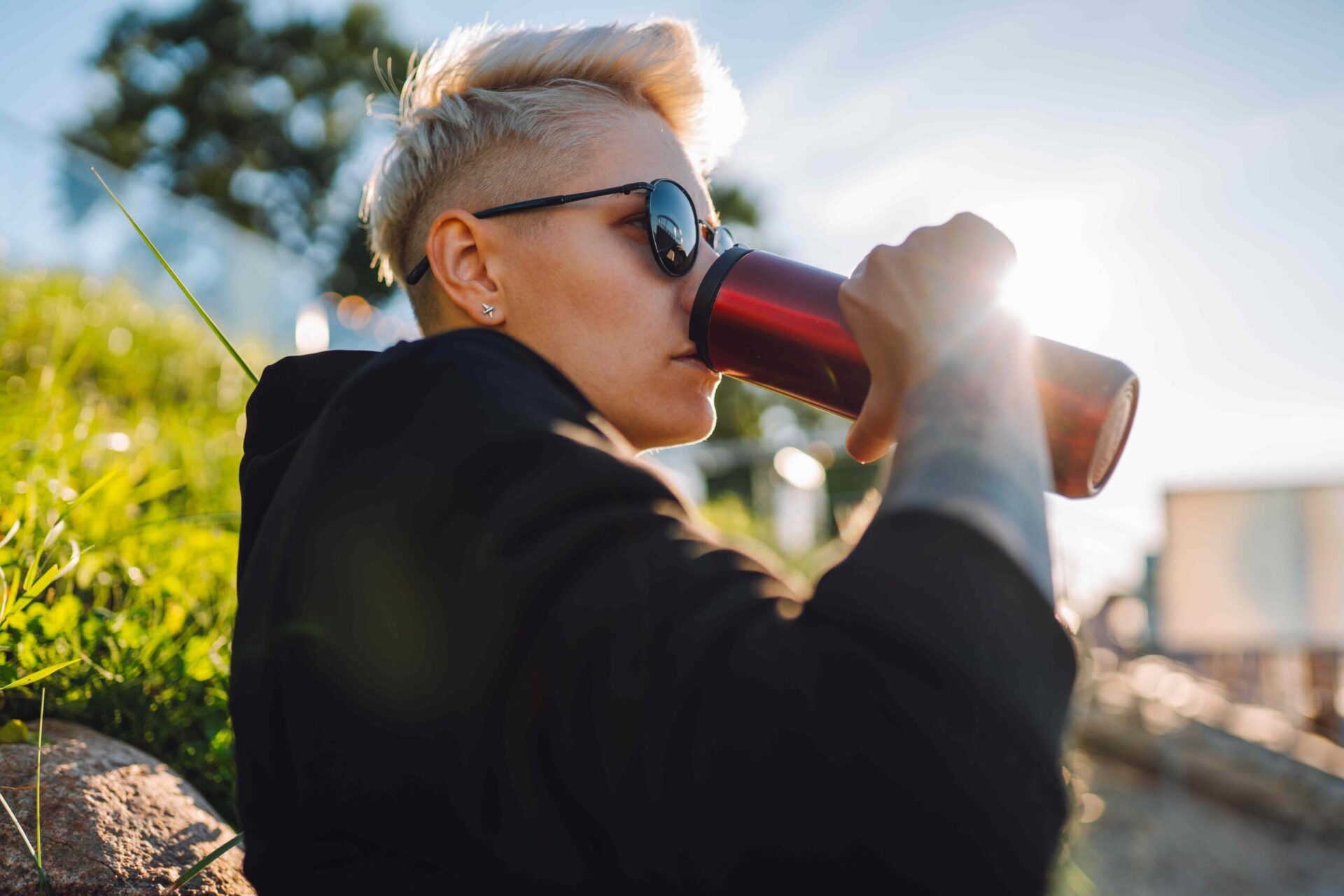
:max_bytes(150000):strip_icc():format(jpeg)/Health-GettyImages-1685232195-becd180d69804fb8abaefade25af223a.jpg "Choosing sustainability with insulated drink container: Short-haired woman in hooded shirt and sunglasses drinking from plastic-free water bottle during a sunny walk")
Credit: Olga Rolenko / Getty Images
- Paraxanthine is being marketed as a smoother alternative to caffeine.
- Early research suggests paraxanthine may provide an energy boost with fewer jitters and side effects than caffeine.
- Because research on paraxanthine is still limited, experts say most people who tolerate caffeine well likely do not need to switch.
A buzzy new ingredient is being marketed as a better-for-you caffeine alternative that offers an energy boost without any downsides, like jitters or poor sleep. Called paraxanthine, the compound has recently received attention from researchers and beverage companies alike, and has even been promoted by Kim Kardashian, who in February announced that she was co-founding a “caffeine free energy drink” called Update, made with zero sugar, zero artificial flavors or colors, and paraxanthine.
The drink’s website claims that the beverage can bring “smooth, steady energy without the spike or crash." Meanwhile, Kardashian said in a promotional video on TikTok that she’ll drink some at night and then “can go right to bed, like an hour later.”
While more energy and no side effects sounds ideal, we wanted to know how this ingredient really stacks up against good old caffeine. Here’s what three nutritional experts had to say.
First, What Exactly Is Paraxanthine?
At the most basic level, paraxanthine is one of the main byproducts your body creates when it metabolizes caffeine. After caffeine is absorbed into the bloodstream, the liver breaks it into three different kinds of compounds: theobromine, theophylline, and paraxanthine, said Liz Daniels, DO, RD, FAAP, a registered dietitian and private practice doctor who hosts the Nutrition for the Early Years podcast. Between 70% and 80% of caffeine is converted into paraxanthine, which then circulates through the body.
Paraxanthine influences many of the same systems as caffeine, including blocking adenosine receptors in the brain, which helps reduce sleepiness and promote alertness, said Julie Pace, RDN, who specializes in women’s gut, hormone, and metabolic health. It may also support dopamine release in certain brain regions, helping with maintaining focus and attention, Daniels added.
In addition to being integrated into some functional energy drinks, like Kardashian's, you can also find it as a stand-alone supplement.
How Is Paraxanthine Different From Caffeine?
As mentioned, both caffeine and paraxanthine bind to adenosine receptors, helping to keep you alert by blocking the body’s natural drowsiness trigger. But experts said there are a few key differences in how they operate.
Research on paraxanthine is still in the early stages, but some studies suggest that it might provide an energy boost similar to caffeine with less anxiety and jitteriness, Pace said. One 2023 study in rats found that paraxanthine may have fewer negative side effects and therefore “could be a safer alternative to caffeine in humans.”
Anecdotally, said Melanie G. Murphy Richter, MS, RDN, some people report that paraxanthine “feels steadier than caffeine. Not as much of a spike, not as much of a drop.” That difference, she added, “tends to matter most in people who already feel sensitive to stimulants or notice that caffeine hits them too hard or wears off abruptly.”
Another key difference, Daniels said, is that the enzymes responsible for breaking down caffeine are influenced by both genetics and medications, meaning the rate of caffeine breakdown varies from person to person. Paraxanthine, on the other hand, “seems to have more consistent effects,” she added.
Finally, there is some research to suggest that paraxanthine could act as a nootropic and may boost cognitive function. One 2024 study found that it provided greater cognitive benefits than caffeine in runners after a 10-kilometer run. But these potential benefits are still being studied, and more clinical evidence is needed before firm conclusions can be established.
Which One Do Experts Recommend?
One of the biggest factors to consider is that caffeine has far more research and clinical evidence supporting its benefits and safety profile. “Based on current research, there’s no clear winner for energy,” Pace said. “Paraxanthine is still relatively new, and human research remains limited.” For that reason, she recommends sticking with caffeine.
Richter’s advice is more nuanced: If you tolerate caffeine well already, there’s no real reason to switch to paraxanthine. However, if you experience side effects such as gastrointestinal discomfort, paraxanthine might be worth looking into.
If you do want to try paraxanthine, it’s a good idea to speak with a medical provider beforehand, especially if you’re pregnant or have underlying cardiovascular issues.
Richter also recommends starting at a lower dose and assessing your response before taking more. Existing clinical studies have generally used doses around 200 milligrams, but because paraxanthine hasn’t been studied as much as caffeine, there is no established upper safety limit. “More is not always better,” Pace said.
When it comes to caffeine, it’s generally considered safe for most healthy adults to consume up to 400 milligrams per day, Pace said, though dosing still matters. Keep in mind that caffeine can interact with certain medications, and people with anxiety disorders, heart arrhythmias, or uncontrolled high blood pressure should be careful about how much caffeine they’re consuming.
If you’re constantly tired and relying on caffeine or similar compounds to get through the day, there may be an underlying issue. Experts suggest paying attention to sleep quality, protein intake, micronutrients, and blood sugar regulation.