Profit-First Small Business Growth: Building Stronger Systems


As a small business owner, you already know that business growth is not about getting more customers. Essentially, it is about establishing a business that can handle that growth without draining you, having you constantly worried about cash flow, and breaking your team. This year, in 2026, profit-first growth is becoming more of a survival strategy instead of a nice idea to have. Nonetheless, the goal is quite simple!  Essentially, the goal is building strong systems, leading your business and team with clarity, and establishing predictable profits without stress. In this article, we will discuss how your small business can create profit-first growth, and build stronger systems for itself.

Read on to learn more.

Starting with a Profit-First Money Mindset

Many business owners actually treat profit like something they hope to achieve after they have paid all their bills. If you think the same, then you really need a mindset shift. You should know that real business growth happens when profit becomes the priority from the very beginning. This is also where personal financial discipline comes in. For instance, understanding the Roth IRA max contribution 2025 limit can really help remind you that wealth is actually built through consistency and structure.

It is the very same mindset that you need to run your business. Start with setting targets, planning ahead, and then sticking to a system. It is important to mention here that tools like SoFi can support this kind of long-term financial thinking by helping you build retirement savings alongside business success.

Building a Simple System that Minimizes Operational Stress

If you try running a business without systems, you will always feel unstable. Even if your sales are strong, your daily operations can feel like a constant struggle due to the absence of systems. It is important to mention here that the best systems do not need to be complicated. You must focus on getting the basics right, including a good method of handling customer inquiries and even a simple checklist for training new employees.

The goal is to ensure that your business runs on systems instead of memory. By doing so, you will actually stop feeling like everything depends on you.

Improving Leadership with Better Habits

You might be surprised to know that this year, the business that wins is not the one with the best marketing strategies. The business that will win is the one with consistent leadership. Now, good leadership does not mean that you have all the answers already. In essence, it means staying calm, staying focused, and showing up every day with good habits. Yes, you read it right! Good leadership is actually about consistency.

Small Business Coach: A Custom Carpentry Success Story

Establishing Predictable Cash Flow

Understandably, issues with cash flow do not always stem from low sales. Actually, they can also come from weak planning. That said, if your business has unpredictable cash flow, you will never be able to hire confidently or invest in marketing, and even expand your services without constant stress. The good part is that you only need to focus on three areas. You must understand your monthly business expenses in real numbers. Also, you must set aside money for taxes and slow seasons.

Lastly, never wait until your bank account pushes you to make decisions. Always plan your finances ahead.

Running a Business That Actually Grows without You Doing Everything

 You should know that one of the biggest growth limits for small business owners is literally getting too involved in everything.  For instance, if you actively participate in every decision, customer issue, and approval, your business will eventually remain stuck at the same level. You should know that the solution is to create a structure where responsibility is shared. Now, you do not need a huge team. All you need is the right support, so your time is spent on growth instead of constant problem-solving.

Conclusion on Profit-First Growth

This year, business growth is not about working more hours. Essentially, it is about building a business that has structure, solid leadership, and strong financial habits. When you start focusing on profit first, plan cash flow wisely, and lead with consistency, your business becomes stable.

google business page


Source link

Leave a Reply

Subscribe to Our Newsletter

Get our latest articles delivered straight to your inbox. No spam, we promise.

Recent Reviews


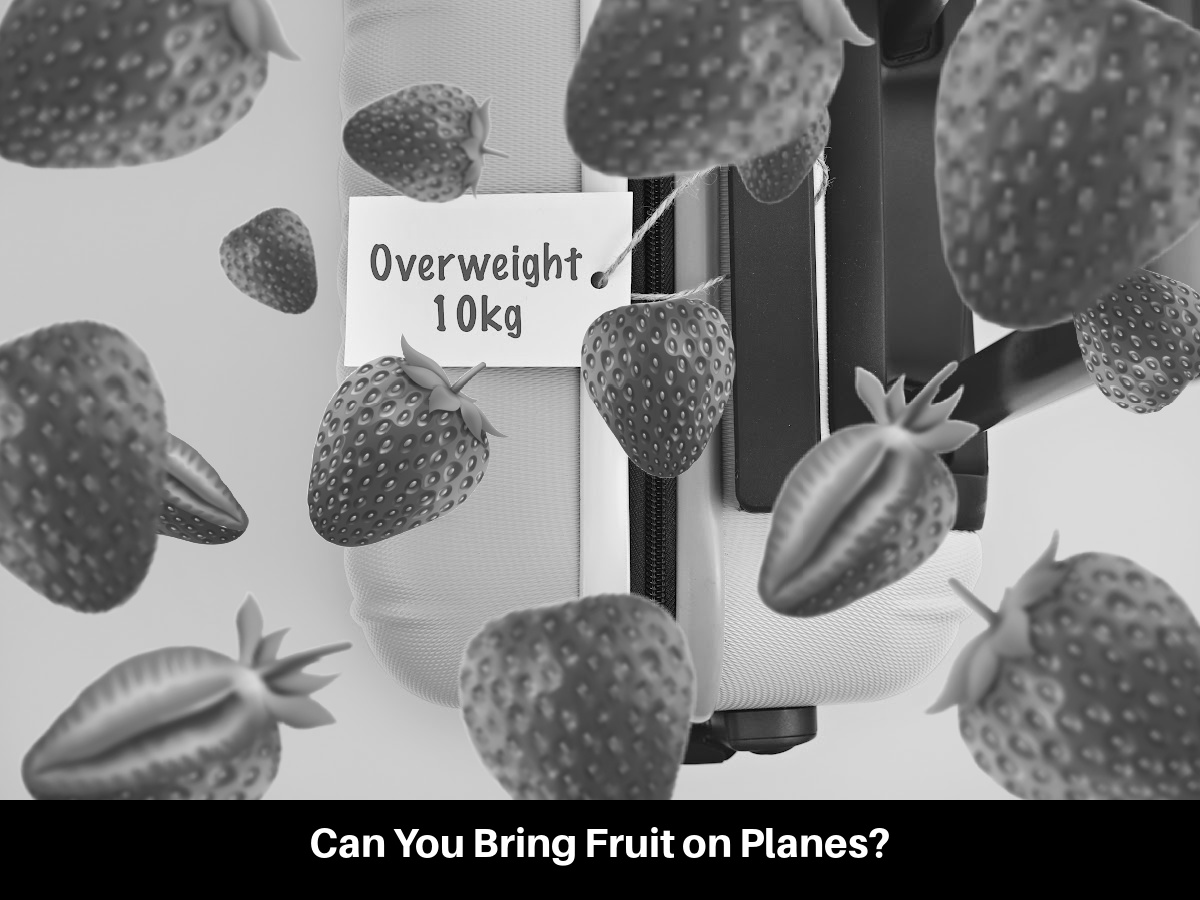
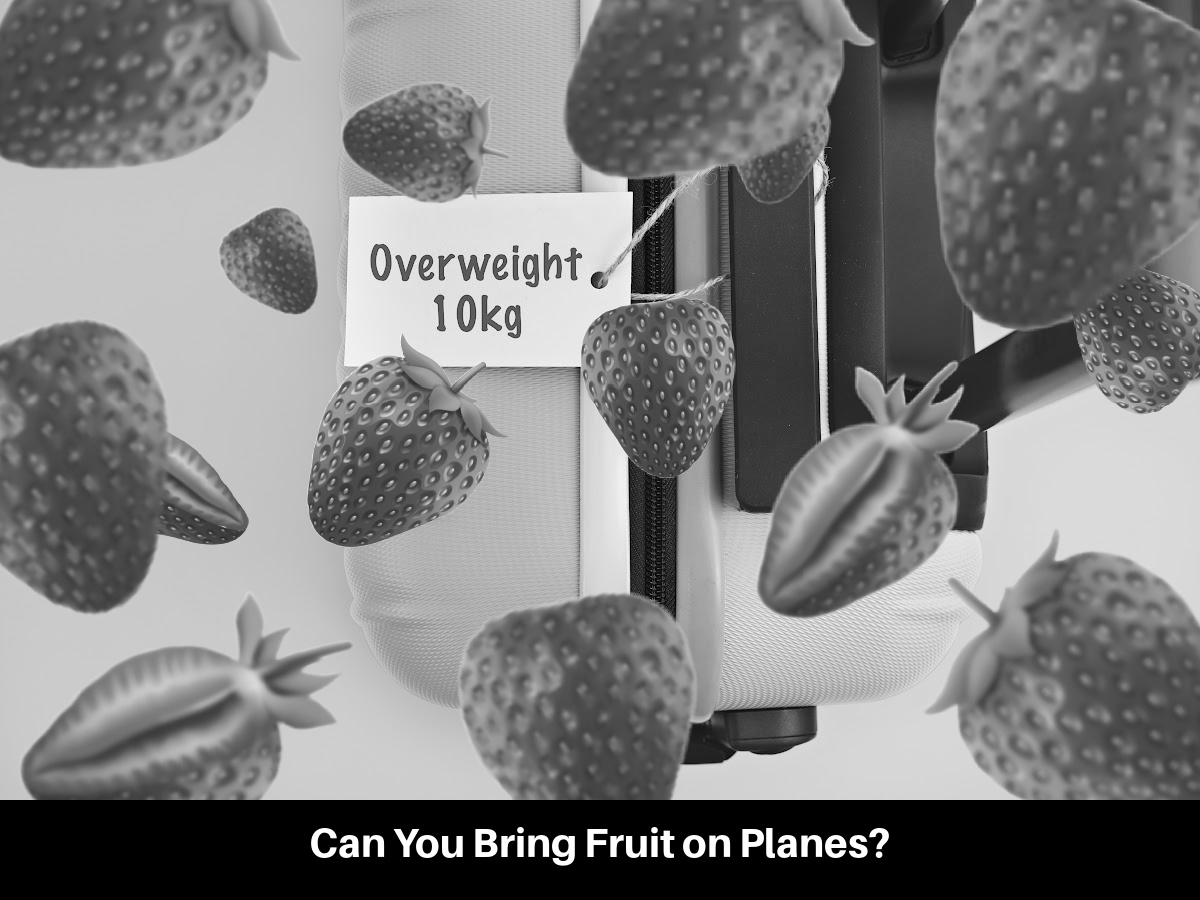
On most domestic flights, you’re allowed to bring fresh fruit in hand and checked baggage. This includes apples, bananas, pears, mangos, and other common fruit. They’re allowed even if they contain a lot of water, as is the case with melons and watermelons. Frozen or cut fruit (for example, fruit salad or fruit cups) are also allowed. 

You’re also allowed to eat them during the flight. In fact, some airlines even don’t count Tupperware containers with snacks towards the hand luggage allowance. This allows you to prepare snacks and fruits for your flight and not worry about the size limits for hand luggage.

Some fruit products are considered liquids, including fruit juices, jams, applesauce, and canned fruit. If packed in hand luggage, they must be in 3.4 oz (100 ml) containers or smaller and packed together with other liquids inside a 1-quart bag. Larger volumes are only allowed in checked bags.

It’s also worth noting that each security officer always has the final say on whether fruits are allowed. If they classify them as liquid because they contain too much liquid inside, you’ll most likely have to discard them at the security checkpoint.

I’ve never experienced any issues when traveling with fresh fruit. Nobody bats an eye when I bring them through security. People only start to notice them upon landing – when going through Customs and Immigration.

Traveling With Fruit Internationally

On most international flights, fresh fruits are banned from hand and checked baggage. The reasoning for this is that they may contain diseases, pests, or they themselves may be an invasive species. Each country wants to protect its ecosystems and agriculture from these risks, which is why transferring fresh fruit, meat, plants, soil, milk, and eggs, is prohibited.

This is enforced by Customs and Immigration – a checkpoint that you’ll have to go through upon landing after an international flight. Over there, they’ll ask you questions about your baggage, may ask you to fill out a form, and inspect your baggage. Any fresh fruit will most likely be confiscated and discarded.

This also applies to some domestic flights in the US. When flying to or from Hawaii, Puerto Rico, or the US Virgin Islands, most fresh fruit are prohibited. That’s because although technically they’re in the same country, they’re all islands with different, fragile ecosystems.

One exception is flights between Europe, the UK, and the EU economic zone. Fresh fruit are allowed on these flights if they originate in the EU, UK, or the EU economic zone. Another one is on flights between the US and Canada. Most common fruits are allowed there.

Dried and processed fruit don’t count towards these restrictions – they’re usually allowed even on international flights. This also includes roasted nuts, homemade food, granola bars, potato chips, and other processed items.

If you want to transfer fruit internationally (and if it’s prohibited), you’ll need to get a special document called Phytosanitary Certificate. Then you will need to apply to the Customs agency of the country you want to import it to and get approval.

How to Pack Fruit for Air Travel

For traveling, a good idea is to bring firm fruits that can’t get squished very easily. Some examples include apples, bananas, oranges, pears, grapes, mango, kiwi, and others.

For consumption during the flight, you should pre-cut them ahead so that you don’t make a mess. You can place them inside a foldable Tupperware container, which you can wash and pack in your bag when finished. Another idea is to pack them in disposable containers (from ice cream, store-bought berries, etc.), which you can throw out when done. But before packing it in your bag, put it inside a bag because liquids from fruit may spill from the container.

Remember that you’ll have to remove this container from your bag when going through security and place it in a separate bin. They ask to do this because food tends to clutter the X-ray scanners. So make sure to pack it somewhere on top, where it’s easily accessible.

Summing Up – Traveling With Fruit

Fresh fruits are some of the best snacks that you can take on a plane. They contain a lot of Glucose which will boost your energy, they’re healthy, and they taste good. Just be sure to finish eating them during the flight because they spoil quickly. If not, they’ll most likely be confiscated by the Customs agents upon landing.


Source link