Fact checked by Nick Blackmer
:max_bytes(150000):strip_icc():format(jpeg)/Health-GettyImages-1735045910-365158ee879e4b5aa6c5d045e7f13ad5.jpg "Person with a medical device on their upper arm using a smartphone while seated outdoors")
Credit: Halfpoint / Getty Images
- While frequent blood sugar spikes can be harmful, experts say most people without diabetes don’t need to track their blood sugar.
- Blood sugar naturally rises after meals, and obsessing over small spikes can do more harm than good.
- Experts say a healthy diet, regular exercise, and stable routines balance blood sugar better than constant tracking.
People with diabetes need to monitor their blood sugar levels, as spikes and drops can have dangerous health effects. Recently, many people without diabetes have become more interested in managing their blood sugar. But experts agree that, in general, people without diabetes do not need to monitor their glucose levels.
First, Why Are People Tracking Blood Sugar?
Blood sugar, or glucose, is the main sugar found in blood and the body’s primary source of energy. Your body breaks down the carbohydrates you eat into glucose, then releases it into your bloodstream. That’s why blood sugar spikes after meals—especially after eating foods high in added sugar, like desserts and sugary drinks.
However, food isn’t the only thing that can spike blood glucose. Some surprising triggers include:
- A lack of sleep
- Sunburns
- Coffee (even without sweetener)
- The time of day
- Dehydration
When your blood sugar is high, your pancreas releases insulin to bring it down. Having too much glucose in your blood for an extended period of time can lead to insulin resistance, when your cells stop responding to insulin. This makes your blood sugar stay high, raising your risk of type 2 diabetes.
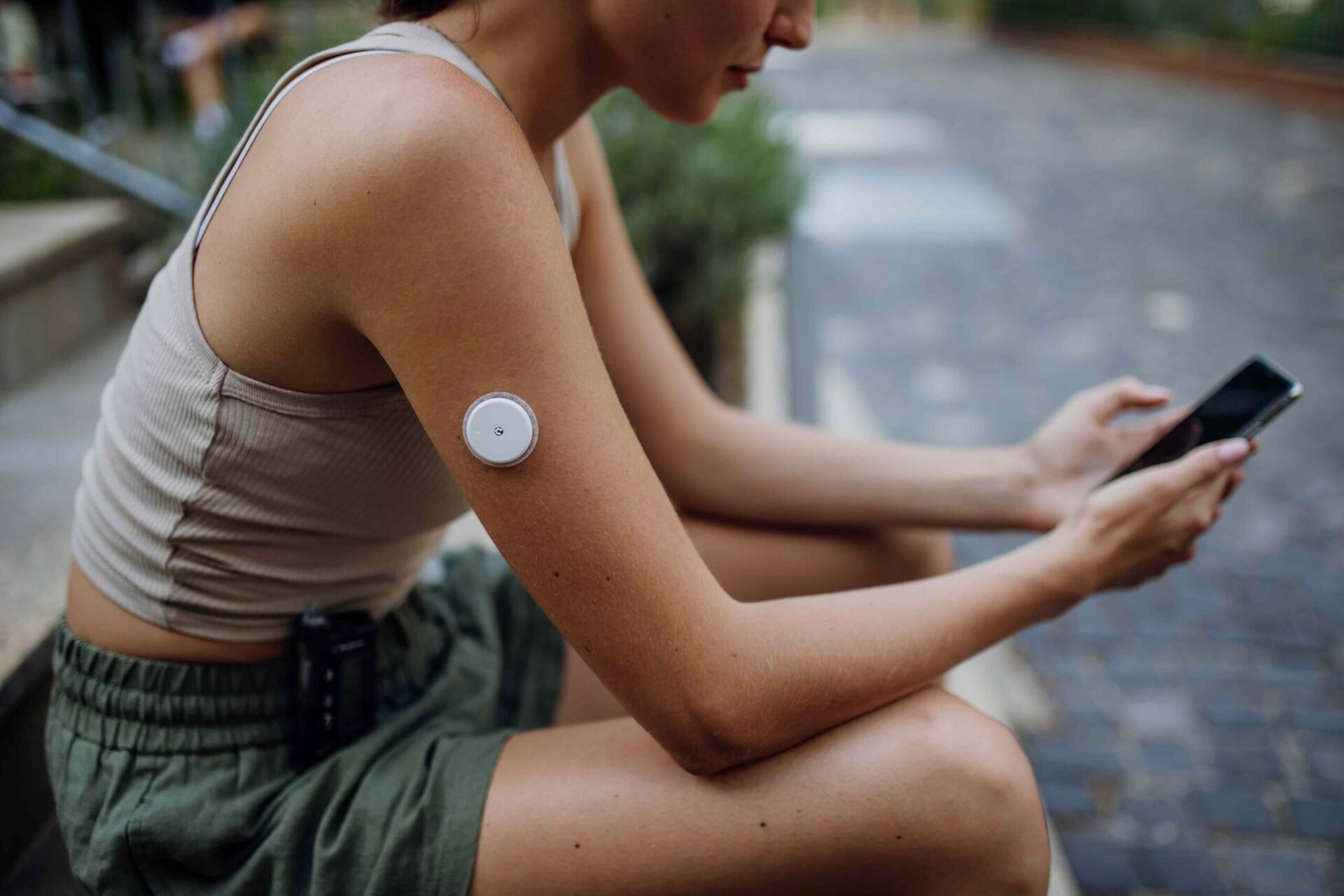
On social media, people without diabetes blame blood sugar spikes for a number of issues, like weight gain and poor sleep. Some have even started tracking their levels with continuous glucose monitors (CGM), devices that stick under your skin and measure your blood sugar in real time.
Why People Without Diabetes Don't Need To Watch Their Glucose Levels
While frequent spikes aren’t ideal, it’s OK for blood sugar to go up a bit after you eat, and fluctuating blood glucose is completely normal within a certain range. In a 2019 study, the blood sugar of people without diabetes went outside the normal range (70 to 140 mg/dL) around 4% of the time, or about an hour each day.
“Your body is actually very good at controlling glucose in normal ranges,” Sun Kim, MD, an associate professor in the division of endocrinology at the Stanford University School of Medicine, told Health. “To obsess about small rises in glucose is unfair.”
“There’s a lot of pushing for [CGMs] on social media,” Kim added, “but not everyone needs to wear this.”
Raimund Herzog, MD, an endocrinologist at the Yale Medicine Diabetes Center and associate professor at Yale School of Medicine, agreed that constantly monitoring glucose with a CGM can make healthy people worry unnecessarily that something is wrong, “when in fact, everything is perfectly normal.”
Also, since CGMs were originally designed for people with diabetes, the readings could be skewed for those without the condition. “The accuracy of the sensors is still limited, particularly in healthy people who do not have diabetes,” Herzog told Health.
Even if the readings are accurate, blood sugar is only one metric, Kim said. If a food doesn’t spike your blood sugar, it doesn’t mean it’s automatically healthy.
“If you have a well-functioning pancreas, you might be able to eat a cookie and your glucose may not spike, but that doesn’t mean it’s good for you,” she explained.
Who May Need To Track Levels
Herzog said CGMs might be helpful for people diagnosed with prediabetes, when blood glucose levels are higher than normal but not enough to be called diabetes. CGMs can help this group recognize and improve their blood sugar levels to prevent the development of type 2 diabetes.
For everyone else, CGMs are likely not going to be worth the cost, Herzog said.
“I always say, ‘Go ahead and try it,’” Kim added. “But whether someone needs to obsess about their spikes or pay for a service to track this, we don’t have any data that shows that’s beneficial.”
What You Need To Know About Keeping Your Blood Sugar Levels Healthy
Rather than tracking blood sugar, Herzog said people should aim to eat a well-balanced diet rich in fiber, plant-based foods, and lean proteins—all of which naturally help control blood glucose.
To manage blood sugar, you can also:
- Get regular physical activity
- Maintain a weight you and your healthcare provider decide is optimal for you
- Eat at regular times
- Drink water instead of juice or soda
- Choose fruit over processed treats with added sugar