The Twin Cities’ largest lake is officially open water for the season.
The Hennepin County Sheriff’s Office Water Patrol and the conservation nonprofit Freshwater declared open water on Lake Minnetonka on Friday. The date comes 10 days earlier than the April 13 median ice-out date for the lake.
Freshwater spokesperson Chris O’Brien said the harbinger of spring is often a welcome sign for those who live near the lake.
“I know there are pools for some of the local establishments where people are guessing what the date will be,” O’Brien said.
Freshwater and the water patrol partner to determine ice-out on Minnetonka every year. The lake’s massive size and complex system of bays and inlets make it a good measure for changes in other metro-area lakes.
The two organizations measure the receding ice the old-fashioned way: by getting out on the water. They take a boat and navigate the lake and, if they are able to navigate its channels or other spaces where ice might build up, then it is considered open water.
That does not mean there isn’t any ice remaining on the lake. And it certainly doesn’t mean the water is ready for swimming, O’Brien said.
“Even though the ice is technically out on the lake, it is certainly not a safe time to get in the water,” O’Brien said. “The water is still ice-cold as you could imagine.”
Boating on the lake is generally OK, but the sheriff’s office cautioned the lake could still be dangerous and urged extra vigilance. O’Brien and the sheriff’s office said boaters need to make sure they have their life jackets on.
This year marked another earlier-than-usual ice-out date — though slightly later than the March 29 ice-out date observed last year.
The SAP SD module is built on tables and uses them to store data. We’ll go through SAP SD tables and their relationships in this tutorial. SAP SD tables are critical storage for corporate data connected to SAP ERP software’s sales and distribution activities. The SD tables are basically divided into three parts:
These are the SD module’s building blocks, and it’s only natural to address tables in this sequence. Please look at the slides to see how the tables from different blocks were connected. Being an expert in SAP SD necessitates an understanding of these relationships.
Become a SAP SD Certified professional by learning this HKRSAP SD Training!
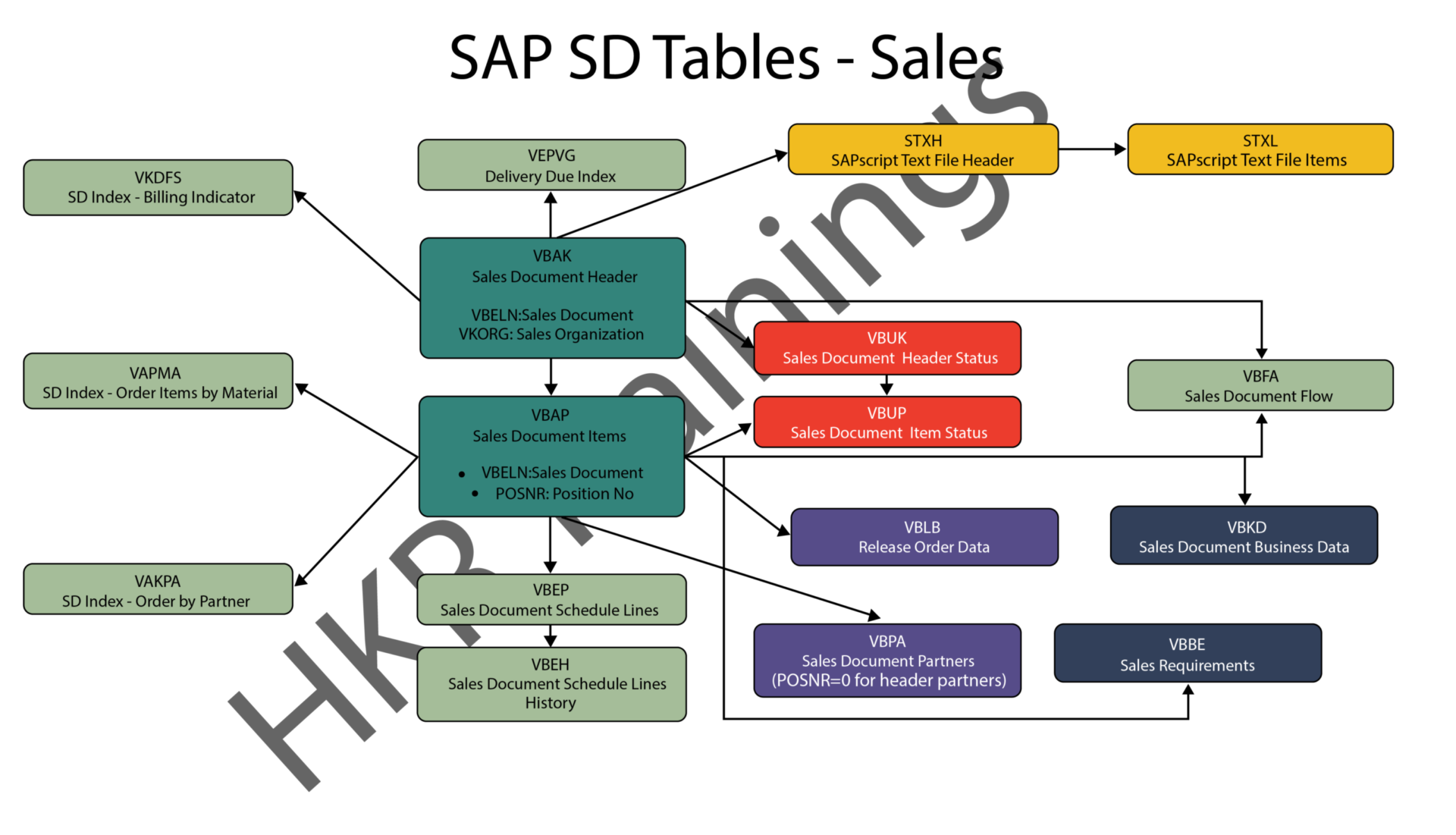
1) Sales
In SAP SD, the first block is about sales procedures.This indicates that the SAP SD tables in this block would be related to sales orders, quotations, and other similar transactions. We designed a visual slide that lists all of the tables and their relationships.
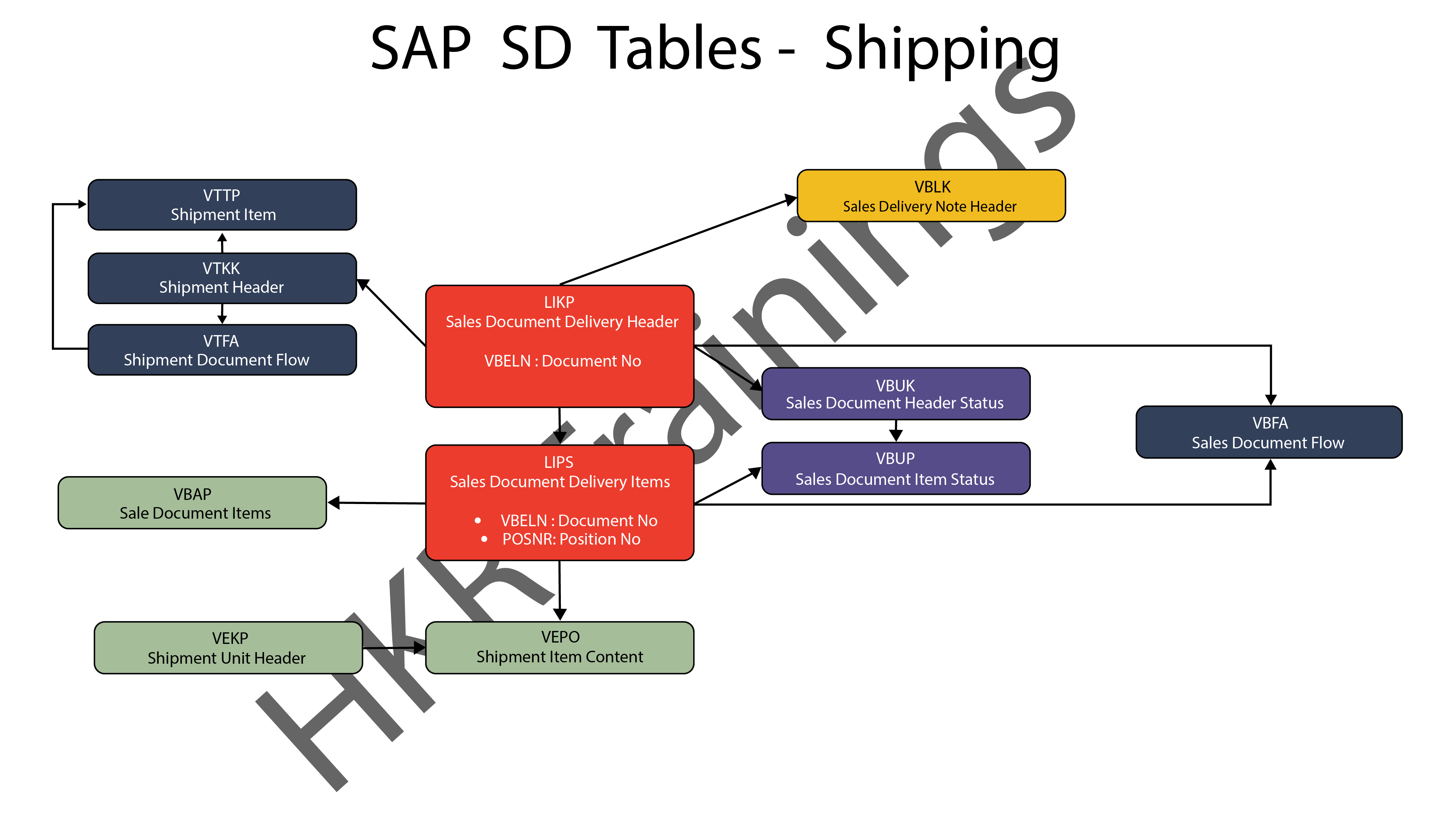
2) Shipping
ThIs section is about SAP SD’s shipping processes. In this section, SAP SD tables deal with inbound and outbound deliveries, as well as shipments. Likewise, we’ve created a visual slide with links illustrating table relationships.
SAP SD Training
Master Your Craft
Lifetime LMS & Faculty Access
24/7 online expert support
Real-world & Project Based Learning
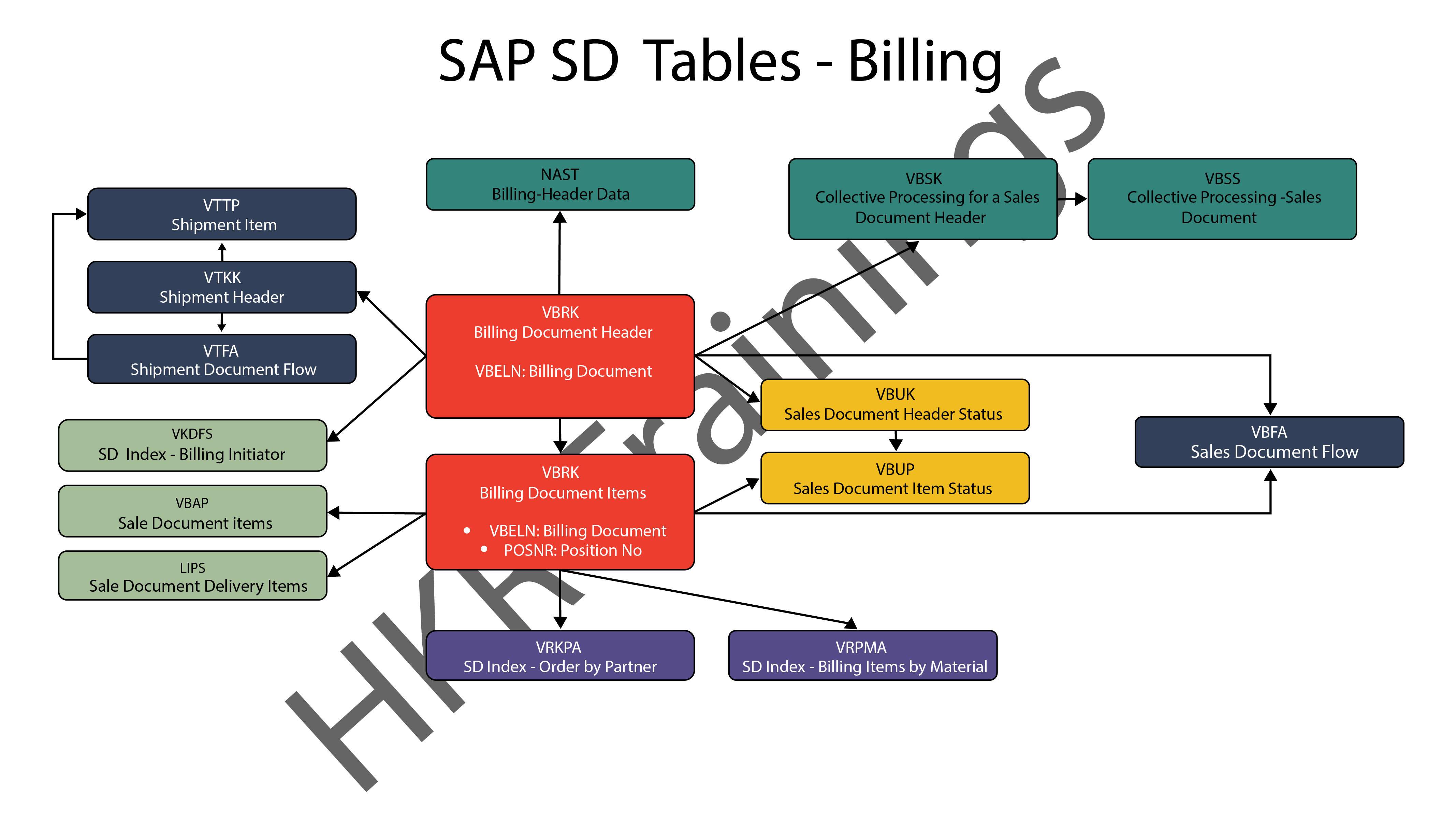
3) Billing
The billing feature of SAP SD is the last but not least. SAP has a variety of tables which are used to support a company’s billing procedures. Billing documents, as well as other related data, such as output conditions, are saved in these tables by SAP.
To provide the best experiences, we use technologies like cookies to store and/or access device information. Consenting to these technologies will allow us to process data such as browsing behavior or unique IDs on this site. Not consenting or withdrawing consent, may adversely affect certain features and functions.
Functional
Always active
The technical storage or access is strictly necessary for the legitimate purpose of enabling the use of a specific service explicitly requested by the subscriber or user, or for the sole purpose of carrying out the transmission of a communication over an electronic communications network.
Preferences
The technical storage or access is necessary for the legitimate purpose of storing preferences that are not requested by the subscriber or user.
Statistics
The technical storage or access that is used exclusively for statistical purposes.The technical storage or access that is used exclusively for anonymous statistical purposes. Without a subpoena, voluntary compliance on the part of your Internet Service Provider, or additional records from a third party, information stored or retrieved for this purpose alone cannot usually be used to identify you.
Marketing
The technical storage or access is required to create user profiles to send advertising, or to track the user on a website or across several websites for similar marketing purposes.