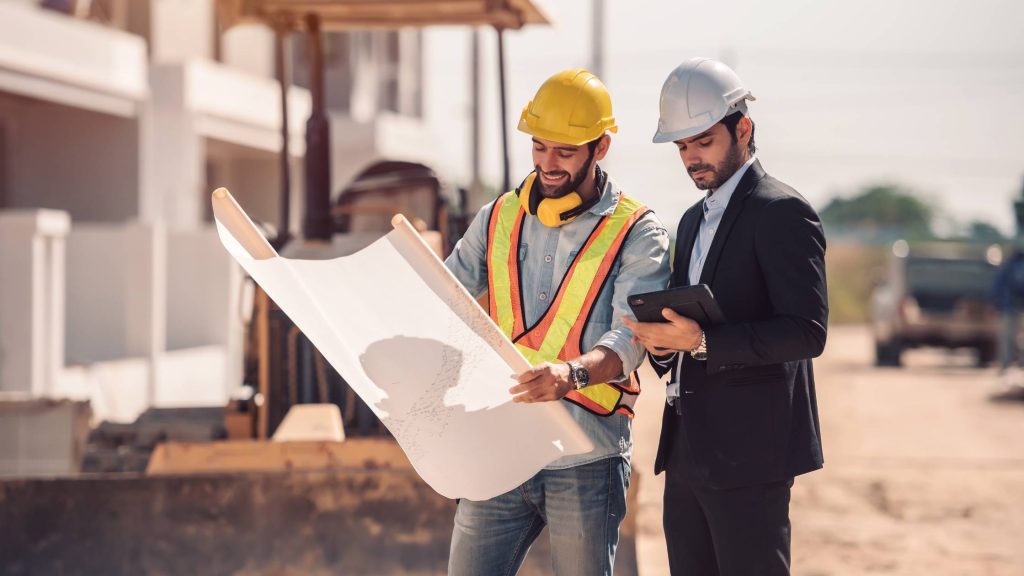
For small developers, growth often comes down to how fast you can complete the projects you have. First, many developers find that the limiting factor is not the ability to secure projects but the ability to manage the operational work that allows them to complete projects. Delays and cost overruns mean growth stutters, and new deals are more difficult to land. This article explores how finding the right construction partner can help small developers overcome these obstacles to scale with ease.
Key Takeaways on The Right Construction Partner
- The right construction partner improves speed, clarity, and delivery quality.
- Strong communication reduces delays, field errors, and budget strain.
- Better systems and predictable workflows help small developers take on more projects with less stress.
How Better Partnerships Streamline Project Delivery

Small developers are all too familiar with common issues that waste time. These problems may not always be dire, but they accumulate rapidly and impact all stages of the build process. Collaborative relationships allow developers to concentrate on strategy, rather than mending avoidable problems.
Here are some of the most common problems that better collaboration can solve:
- Miscommunication between teams
- Delays caused by slow decision-making
- Budget strain from surprising field errors
When you’re working with a partner to achieve your vision, the day-to-day jobs on the project are more predictable. This is where innovations such as construction services for investors & developers help ease the process.
With greater clarity and responsiveness, developers can meet schedules without having to rush to the rescue. Ultimately, this builds a more reliable workflow, allowing small developers to take on more projects with confidence.
What a Reliable Construction Partner Brings
A good construction partner isn’t just another vendor. They act as an extension of your operation and help small developers manage several projects more confidently. This consistency is essential for long-term scaling, especially when teams need quick clarification, steady oversight, and dependable crews that can adapt as project requirements shift.
Here’s what a dependable partner typically contributes:
- Strong communication habits
- Realistic scheduling from early planning
- Supportive guidance for complex decisions
With these capabilities, developers can plan ahead, rather than respond to a crisis. Knowing how fast you work and what you need means more reliable timing and predictability. This predictability is particularly crucial for developers with multiple deals, where even slight delays can affect funding, schedules, and investor trust.
Reducing Risk While Increasing Output
Small developers can easily be overwhelmed by risk mitigation on multiple builds with small teams. A good construction partner helps to anticipate problems and manage subcontractors and on-site supervision. This allows developers to undertake a larger volume of more complex projects without getting flustered, enabling them to be more competitive in bidding, respond faster to new business opportunities, and remove the up-and-down pace of projects where problems crop up.
It also helps reduce disruptions that may impact budgets or create problems with lenders and buyers. Thorough planning, communication, and on-site execution are all improved when using a strong construction partner, resulting in a level of stability that reduces the uncertainty and stress of each new project.
Creating Systems That Support Sustainable Growth
Developers accelerate their growth when their systems evolve in parallel with their incoming project opportunities. The right partner adds discipline in the form of communications and reporting processes. These processes prevent developers from becoming fatigued, establish a record of delivering projects on time, and provide a process and framework to support projects as the workload and demands increase, improving project consistency.
As the business matures, developers understand schedules, budgets, and costs, allowing for improved decision-making. With improved processes and project visibility, teams are able to manage resources and grow without becoming overcommitted.

Choosing a Partner That Matches Your Vision
Expectations for communication, quality, and timeline are the foundation for a successful partnership. The right partner who understands your needs enhances your brand and extends your reach. Developers should look for partners who are collaborative and can grow and develop alongside the project as the complexity increases, offering ongoing support and expertise, real-world experience, and good follow-up.
This will be a source of growth for the long term. A responsive and adaptive partner provides consistency, enabling you to grow without compromising quality or stretching your team.
Building Momentum for the Future with The Right Construction Partner
Growth is easier when project delivery is enhanced, communication is supported, and risk is managed with the help of the right construction partner. These elements improve processes and allow developers to better navigate the challenges of growth, while adapting to the changing nature of projects and time constraints.
Keeping processes and partnerships steady builds for the future. When the right people are behind the project, developers can keep developing with certainty and confidence, and processes that keep projects on schedule and robust enough to adapt to the next challenges.
FAQs
Why Do Small Developers Need a Construction Partner?
Because lean teams have multiple tasks to manage, the right partner helps fill in the gaps and minimize risk, ensuring projects are delivered on time.
What should I look for in a construction partner?
Clear communication, realistic scheduling, honest budgeting, and a willingness to collaborate through challenges.
Can the right partner help reduce project delays?
Yes. Better planning, tighter coordination, and faster decision support significantly reduce delays and field errors.
How Can a Construction Partner Support Growth?
A reliable partner strengthens long-term growth through consistent systems, steady project delivery, and predictable workflows that make pursuing new opportunities easier and less risky.







:max_bytes(150000):strip_icc():format(jpeg)/coffeevsenergydrink-738dcdca64dd44cf913c6acb21f2dc44.jpg "A cup of coffee and a metal can side by side with a VS icon in the middle")