Tech sues state over social media health warnings


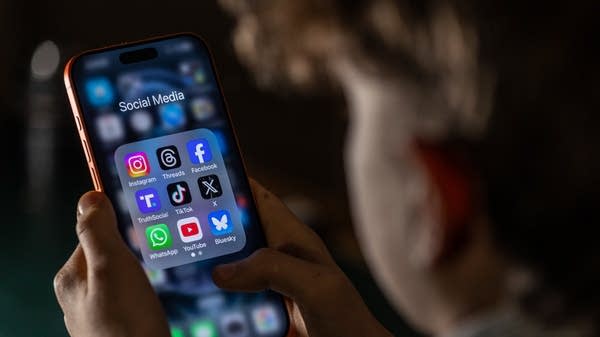
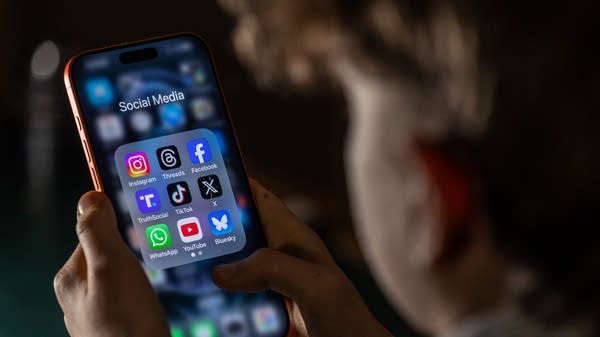
A 14-year-old boy holds an iPhone screen displaying various social media and messaging apps.

A tech industry group filed a lawsuit Wednesday challenging a Minnesota law that requires social media companies to start showing users health warning labels on their sites.

  • “Warning: The app may repeatedly show similar or upsetting content, which may negatively affect your mental health. Use tools (mute, unfollow, “not interested”) to change what you see. Support is available: Call/text 988 or visit 988Lifeline.org”

  • “Warning: Infinite scrolling and videos that play automatically may make it difficult to stop. Extended use may affect sleep, school, work, and mood. Call/text 988 or visit 988Lifeline.org”

  • “Comparing yourself to “perfect” posts? Call/Text 988 or visit 988Lifeline.org. Warning: Many images are edited and may affect self-esteem and mood.”

These are just a few examples of the type of pop-up warnings designed by the Minnesota Department of Health that users of social media in Minnesota will see starting July 1 if the law passed in the 2025 legislative session goes into effect.

NetChoice — an industry group representing social media and tech companies like Amazon, Google and Meta — is suing Minnesota Attorney General Keith Ellison and Minnesota Department of Health Commissioner Brooke Cunningham in federal court. NetChoice argues in the complaint filed Wednesday that part of the law violates the First Amendment by requiring social media platforms to express “the government’s preferred message.”

The health warnings are “designed to block, burden, and browbeat” social media users, the complaint reads.

The Minnesota-based national suicide prevention nonprofit SAVE, Suicide Awareness Voices of Education, supports Minnesota’s warning label law and condemned the lawsuit Wednesday.

“NetChoice can try to frame this lawsuit as a fight about free speech, but at its core it is really about Big Tech using millions of dollars, lawyers, and lobbyists to defeat measures intended to protect children and families online,” said Erich Mische, CEO of SAVE, in a statement.

A spokesperson told MPR News on Wednesday the attorney general’s office is reviewing the lawsuit.

Advocates of health warnings for social media say the platforms carry health risks — especially for children — that justify health warnings, just like physical products like tobacco and alcohol. In 2024, then-U.S. Surgeon General Vivek Murthy called on Congress to require warning labels.

“The mental health crisis among young people is an emergency — and social media has emerged as an important contributor,” Murthy wrote in an opinion piece in The New York Times. He cited research that has connected increased social media usage with increased mental health problems in young people.

Rep. Zack Stephenson, DFL-Coon Rapids, led the effort in 2025 to get Minnesota’s law passed.

“If you had expected big tobacco to make cigarettes less addictive in the ‘50s and ‘60s, you would have been sorely mistaken. They would never have done that. Addiction was their business model. And the same thing is true for big tech,” Stephenson said last year.

Minnesota isn’t alone in requiring health labels for social media. California, New York and Colorado have passed social media warning legislation, though a federal court paused Colorado’s law after NetChoice filed a similar lawsuit.

NetChoice also filed a lawsuit against Ellison last year over another Minnesota law that requires social media companies to explain their algorithms to users. A judge has yet to rule in that case.

MPR News correspondent Dana Ferguson contributed to this reporting.


Source link

Leave a Reply

Subscribe to Our Newsletter

Get our latest articles delivered straight to your inbox. No spam, we promise.

Recent Reviews


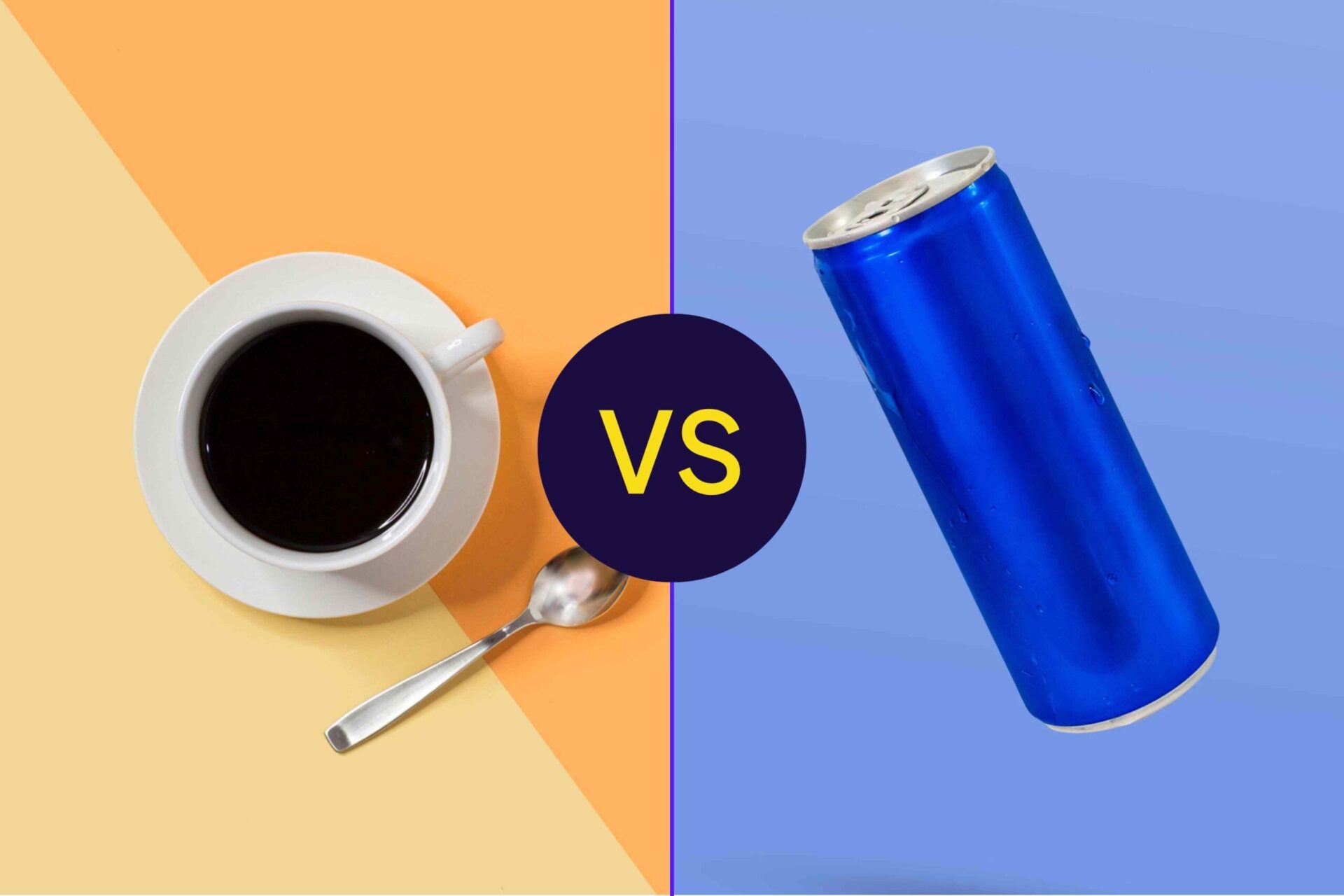
Coffee and energy drinks are popular sources of caffeine, but may have different health effects.Credit: Health / Getty Images
Coffee and energy drinks are popular sources of caffeine, but may have different health effects.
Credit: Health / Getty Images
  • Both coffee and energy drinks can vary in caffeine content.
  • Moderate caffeine consumption is recommended for reducing the risk to your heart.
  • Energy drinks have been shown to cause heart problems, but more research is needed.

Coffee and energy drinks are popular options for a quick energy boost. Both caffeinated beverages can support physical endurance, alertness, and reaction time. However, they can also increase heart rate, reduce steadiness, and increase your added sugar intake.

Which One Will Give You More Energy?

Coffee and energy drinks can both range in caffeine content, which can affect their impact on energy levels. Coffee drinks vary in caffeine based on the brew method and bean type, but on average, a cup (8 ounces) of coffee contains about 113-247 milligrams of caffeine.

Standard 16-ounce energy drinks can contain anywhere from 70 to 240 milligrams of caffeine. Concentrated 2-2.5 ounce energy shots pack about 113-200 milligrams of caffeine in a much smaller volume.

It's important to be aware of how much caffeine you’re consuming and check nutrition labels. However, energy drink manufacturers aren’t required to disclose the caffeine content.

Which Has a Greater Impact on Heart Health?

Research shows consuming high levels of caffeine can raise your blood pressure and heart rate, as well as affect your heart’s rhythm. This risk is especially high for children since their cardiovascular and nervous systems aren’t fully developed.

Coffee's effect on heart health is more widely researched than that of energy drinks. Evidence suggests that moderate coffee drinking can support heart health, while heavy consumption increases heart disease risk. How you prepare your coffee also affects the way it impacts your heart. Boiled coffee, like the kind you can make with a French press, can increase your cholesterol levels. High amounts of caffeine can also have negative effects on the heart, so many people with existing heart conditions choose decaf coffee out of caution.

Some case studies show that energy drink consumption can harm heart health, even in young people, but more research is needed to understand the mechanisms behind this. Some of the more severe cases include sudden death from drinking an energy drink.

What Other Ingredients, Besides Caffeine, Can Affect My Health? 

Coffee and energy drinks aren’t just pure caffeine. It’s important to consider their other ingredients when thinking about how they can impact your health. Early research suggests some of the cardiovascular effects of coffee and energy drinks may be more related to other ingredients than caffeine.

For example, energy drinks can contain a range of other ingredients, such as guarana (which contains additional caffeine), sugar, B vitamins, and other energy-boosting compounds. Both coffee drinks and energy drinks can contain high amounts of added sugar. Energy drinks can also interact with alcohol and prescription or illicit drugs, causing negative health effects.

Risks of Having Too Much Caffeine

Whether you choose coffee, an energy drink, or another caffeinated drink for your energy boost, it’s important to watch how much caffeine you’re consuming per day. Adults without underlying health conditions should limit their total caffeine intake per day to 400 milligrams. People who are pregnant or breastfeeding should stick to half of that limit, or about 200 milligrams. You can always check with your healthcare provider about your individual health status and their recommendations for your caffeine levels.

If you consume too much caffeine, you may notice:

  • A faster heart rate or a racing heart
  • High blood pressure
  • Trouble sleeping
  • Anxiety or jitters
  • Nausea or an upset stomach
  • Headache

If you’re choosing an energy drink, research suggests having only one drink at a time, with a max of two per day, for safer outcomes.


Source link