
When friends and family ask me for a recommendation on the best credit card, I never have a definitive answer.
It’s not a one-size-fits-all scenario. Your personal preferences, spending habits, desired rewards and travel goals all play a role, and these factors will prompt a unique response for every person.
There are several cards I often recommend, from products for points and miles enthusiasts to options for award travel beginners who are daydreaming about their next trip. Here’s a collection of some of the best all-around cards available.
Comparing my top picks for the best credit cards
These four top picks offer valuable points and miles that can power some fantastic redemptions. Here’s what to know.
| Card | Welcome offer | Earning rates | Best for | Annual fee |
|---|---|---|---|---|
|
Earn 75,000 bonus miles after spending $4,000 on purchases in the first three months from account opening. |
|
Earning flat-rate miles |
$395 |
|
|
Earn 130,000 bonus points plus a free night reward after spending $3,000 on purchases in the first six months of card membership. This offer ends April 15. |
|
Hilton enthusiasts |
||
|
Earn 75,000 bonus points after spending $6,000 on purchases within the first three months from account opening. |
|
Travel and dining |
$595 |
|
|
Find out your offer and see if you’re eligible for as high as 300,000 bonus points after spending $20,000 on purchases in the first three months of card membership. Welcome offers vary, and you may not be eligible for an offer. |
|
Business travel |
Capital One Venture X Rewards Credit Card
There isn’t a premium rewards card out there doing it quite like the Capital One Venture X Rewards Credit Card.

With its valuable base earning rates, easy-to-use annual benefits and solid airport lounge access, you don’t have to fret over complicated statement credits and a swath of bonus categories like with other premium travel cards.
This is another card where the math just works. For a $395 annual fee, I receive a $300 annual travel credit to use in the Capital One Travel portal and 10,000 anniversary bonus miles, which TPG’s April 2026 valuations place at $185. If I maximize those two benefits alone each year, I’ll already come out ahead of the annual fee by $90.
To learn more, read our full review of the Venture X.
Learn more: Capital One Venture X Rewards Credit Card

Reward your inbox with the TPG Daily newsletter
Join over 700,000 readers for breaking news, in-depth guides and exclusive deals from TPG’s experts
Hilton Honors American Express Surpass Card
The Hilton Honors American Express Surpass Card is a fantastic mid-tier option for anyone who stays with the brand semiregularly.
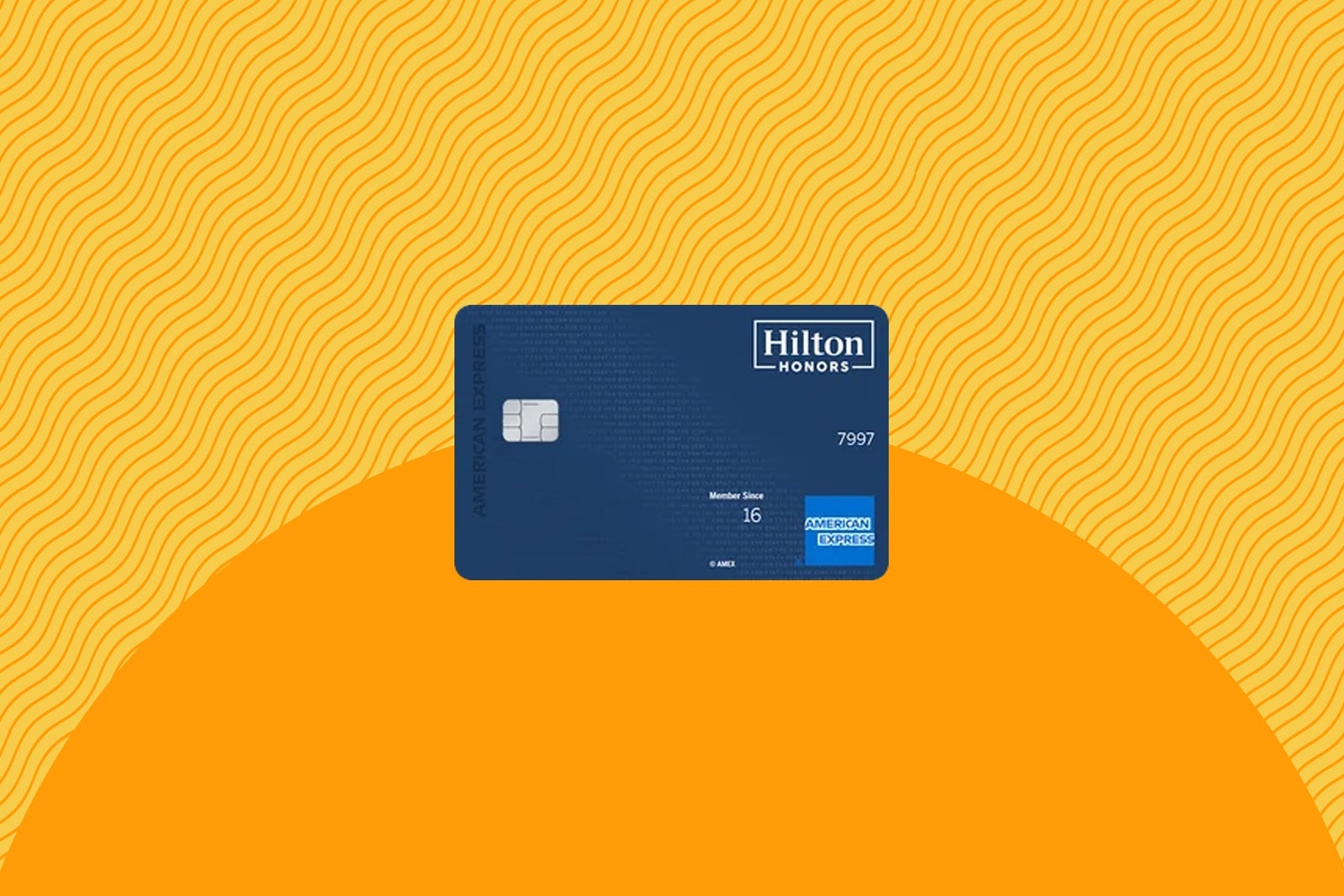
If you plan to make a purchase with Hilton at least quarterly (whether it’s a room rate, or a dining or spa service charge, for instance), it’s easy to end up ahead of this card’s modest $150 annual fee. You can earn up to $200 back every calendar year on eligible Hilton purchases (up to $50 in statement credits each quarter).
I highly recommend the Surpass to anyone who values the card’s automatic Hilton Honors Gold elite status perk. I’ve thoroughly enjoyed the complimentary breakfast or daily food-and-beverage credit and the space-available room upgrades that Gold status provides me.
And the bonus points certainly don’t hurt, either. I’m working up to another redemption as fantastic as my 130,000-point stay at the Canopy by Hilton London City last spring.
To learn more, read our full review of the Hilton Surpass.
Apply here: Hilton Honors American Express Surpass Card
Citi Strata Elite Card
The Citi Strata Elite Card provides some of the most valuable earning rates in popular bonus categories out there for travelers and those who like to dine out.
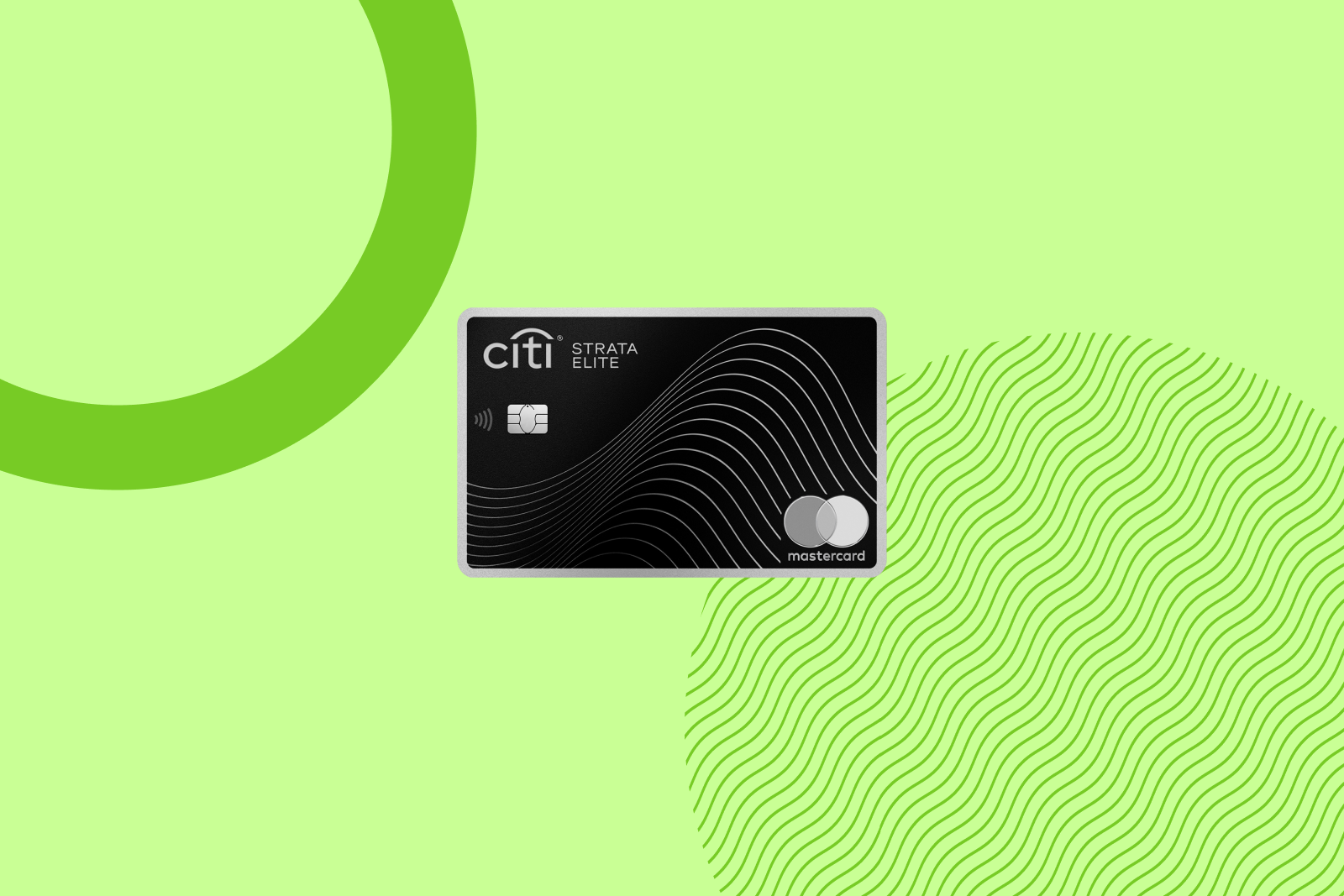
This card provides a stellar return on travel booked through the Citi Travel portal and at restaurants during its weekend-long CitiNights promotions. Since Citi ThankYou Rewards points transfer to the highly valuable American Airlines AAdvantage program, the rewards on this one can take you a long way.
If you’re into airport lounges, the Strata Elite includes four American Airlines Admirals Club passes per year, each valid for 24 hours, which is an interesting addition for those who don’t need a full Admirals Club membership but could find value in this level of access.
I’ve also come to appreciate the card’s unique statement credits, which include an up to $300 annual hotel credit for booking through the Citi Travel portal (a minimum stay of two nights is required), an up to $200 annual Splurge statement credit (choose two merchants) and an up to $200 Blacklane statement credit ($100 biannually).
To learn more, read our full review of the Strata Elite.
Apply here: Citi Strata Elite Card
The Business Platinum Card from American Express
I’ve long admired The Business Platinum Card from American Express as the top-tier card for business travelers who value luxury, statement credits and all the premium perks that matter.
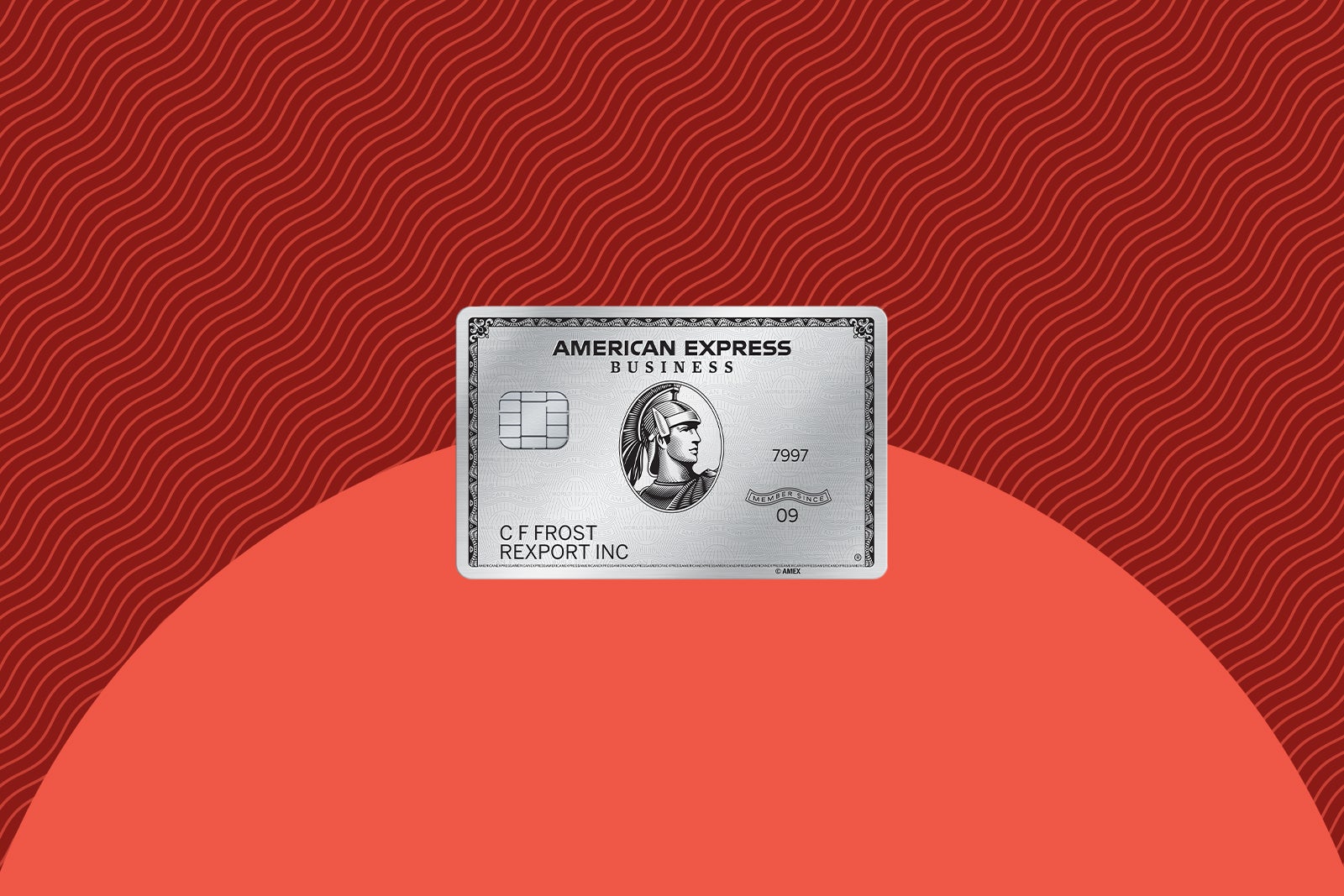
To start, few cards even come close to rivaling the lounge access benefits you’ll find on the Business Platinum. If Amex Centurion Lounges, 10 annual visits to Delta Sky Club lounges* and Priority Pass™ Select lounges fit your travel style, you’ll certainly be pleased here. (Enrollment is required.)
*The annual Delta Sky Club visits must occur when traveling on eligible same-day Delta Air Lines flights.
A bounty of statement credits helps offset the card’s higher $895 annual fee. These include highly valuable travel-related statement credits for prepaid bookings through American Express Travel® (up to $300 biannually) that are part of American Express Fine Hotels + Resorts or The Hotel Collection (the latter of which requires a minimum two-night stay) and an airline fee statement credit (up to $200 annually), just to name a couple.
To learn more, read our full review of the Amex Business Platinum.
Apply here: The Business Platinum Card from American Express
How I chose my top cards
The Hilton Honors Surpass and the Venture X are mainstays in my wallet. When I maximize the perks on both of these cards, I actually find that they provide more value than they charge in annual fees, which puts me ahead.
I’ve been taking a look at the Strata Elite, mainly because I frequently fly out of an American Airlines hub and love the fact that Citi has American Airlines as a transfer partner.
As I’ve factored in the Strata Elite’s Admirals Club passes and Splurge credit, it’s moved near the top of my list.

While the Amex Business Platinum may not be a perfect fit for my lifestyle (I’m not a high-spending business owner), I’d highly recommend it to a business traveler who has the regular expenses to hit the welcome offer’s minimum spending requirement and would find value in the card’s benefits.
I am, notably, a very happy cardmember of the Business Platinum’s personal counterpart: the American Express Platinum Card®. So, I can vouch that these cards’ overlapping premium travel perks (such as the up to $600 annual prepaid hotel statement credit and the elite status privileges) are second to none.
If you’re interested in learning more about how I compiled this list and TPG’s rigorous guidelines applied to each card we review and rate, read up on our methodology.
Bottom line
While there isn’t one “best credit card,” there are many that stand out for earning rates, premium perks and useful benefits.
Any card that makes your travel experience a little sweeter — whether with lounge access, savings via statement credits or the ability to unlock fantastic redemptions — is a card worth your application.
I’ll firmly stand behind any of my recommendations above. Every card may not work for every type of traveler, but it’s likely you’ll find something to love about the rewards and benefits of at least one of them. Take inventory of your wallet to see which of these fantastic cards can add something new to your next trip.
Related: The best rewards credit cards to maximize everyday spending
For rates and fees of the Hilton Surpass Card, click here.
For rates and fees of the Amex Business Platinum, click here.

Stacie Harris is a local resident and reporter of the Maple Grove area. Stacie reports on medicine and science for the Maple Grove Report.






:max_bytes(150000):strip_icc():format(jpeg)/coffeevsenergydrink-738dcdca64dd44cf913c6acb21f2dc44.jpg "A cup of coffee and a metal can side by side with a VS icon in the middle")