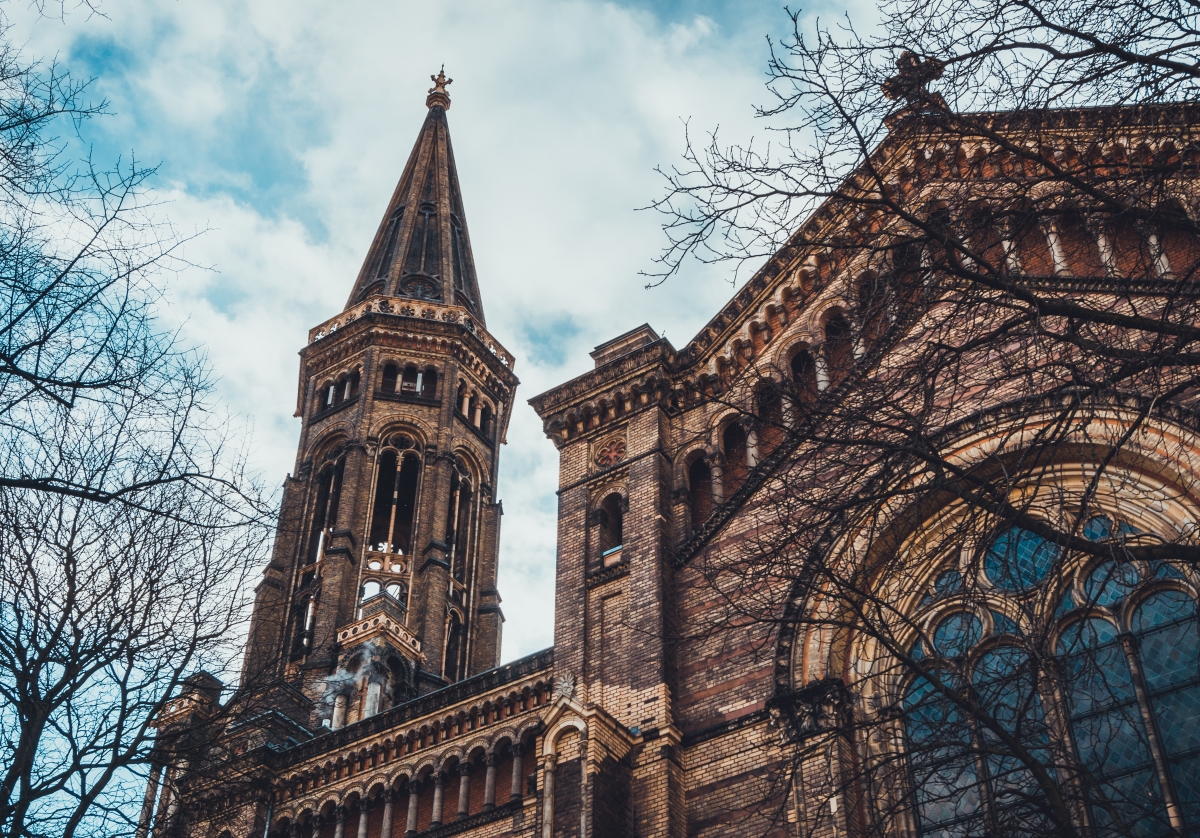

Going to church can be an important part of family life, but it can be a challenge to find the right community for you. In New York City, there are numerous progressive churches that are ready to welcome you and your family with open arms. Here are some of the best ones to visit.

1. The River
The River is a vibrant LGBTQ+ friendly church that prioritizes both diversity and inclusion. Located in midtown Manhattan, it helps people from all walks of life to recognize and experience God’s goodness in their personal lives.

This progressive and liberal church spreads kindness and pursues justice, with its community committed to antiracism and creation care. People of all ages are welcomed and celebrated to be their most authentic selves.
Key Features
- Affirms LGBTQ+ individuals and relationships
- Holds Sunday services and classes
- Welcomes children with the RiverKids program
- Has past sermons available for watching or listening
2. The Church of St. Paul the Apostle

The Church of St. Paul the Apostle is home to the original Paulist Fathers, America’s first order of Catholic priests. In the present time, it aims to create a spiritual home that connects every person with God through the power of prayer, service and community.
It is best known for starting Out at St. Paul, which is a ministry that reaches out to the LGBTQ+ community. There are also youth groups, arts and literary groups and more. It even has an outreach program that helps its poorest neighbors.
Key Features
- Offers a virtual tour of its church
- Holds a virtual church experience to invite attendees from the internet
- Provides religious education for children
- Helps prospective converts in their journey to learning Catholic beliefs
3. The Community Church of New York Unitarian Universalist
The Community Church of New York Unitarian Universalist is a home for the liberal and religious community members who value justice and freedom of expression above all. It delivers weekly worship services to foster an anti-racist and diverse group.

Its sermons publicly defend people’s democracy at a time when the justice system fails its people. Its community advocates for the truth and for peace.
Key Features
- Holds special events alongside its weekly and monthly programs
- Offers scholarships and grants to the community
- Partners with other organizations and churches to redefine the community
- Forms educational and advocacy groups
4. The Church of the Covenant
The Church of the Covenant in NYC is a renowned Presbyterian congregation. Its location near the United Nations headquarters helps its branding as a beacon of hope for unity and inclusivity within the local community.
It has a deep history of advocating for transformation and welcoming people from all backgrounds from around the world. As a result, it has built a supportive community that exudes warmth and hospitality.
Key Features
- Sets youth programs to cultivate friendships
- Organizes concerts with its talented artists
- Offers a diverse range of classes
- Provides counseling services to navigate life’s challenges
5. Judson Memorial Church
Judson Memorial Church brands itself as a spiritual community full of radical hope. It explores its own Protestant church roots and traditions while pursuing social justice. Spiritual curiosity is more than welcome, and creative expression is uplifted.
The church also maintains deep connections with civic, political and social movements within the world. It understands that all people are entitled to their rights and freedoms, affirming people of any race, ethnicity, gender identities, sexual orientation and more.
Key Features
- Holds worship services online and in-person
- Hosts online meditation and prayer sessions
- Organizes ongoing gatherings and Bible study groups
- Offers affordable event space to advocacy groups
Checklist for Your Church Hunt
Finding the right church can be a process for many people of faith or those exploring religion. Here are some key elements to consider in your search when prioritizing diversity and inclusion.
Welcoming Atmosphere
Returning to church after a while, or attending for the first time, can be nerve-wracking. Thus, it’s important to find a welcoming community ready to accompany you on your journey.
Diverse Congregation
Some people may feel excluded or judged at some churches, depending on how they identify or express themselves. Seeing people who look like you within the congregation can provide a sense of belonging in the long run.
LGBTQ+ Affirming
Worrying about not being accepted due to identity is common for people in the LGBTQ+ community, with some even having to leave their place of worship. However, it’s important to know that you can still be an LGBTQ+ member while being religious.
A survey from 2023 to 2024 found that 34% of U.S. adults who are gay or lesbian and 27% of bisexual adults identified as Christian. It’s just a matter of finding an affirming community.
Inclusive Leadership
Church leaders who talk about inclusivity should discuss its importance and its many layers in sermons and gatherings. It can help people feel more comfortable and seen within the community.
Progressive Teachings
Some people may struggle to find a faith community that reflects their values. Thankfully, there are churches that are more progressive and liberal in their stance on national and global events.
Community Engagement
Community engagement is key when you desire intellectual and spiritual engagement over rigid dogma. Seek groups within these churches to build a support circle that you can contribute knowledge to and learn from.
Programs for All Ages
Fostering a community means including families of all ages. It’s ideal to hold church programs for kids, seniors and adults to cultivate connection and faith.
Racial and Ethnic Diversity
Seek a church where a mixed-race or interfaith family will feel comfortable. In times when public spaces may feel unwelcoming, it’s important to know that churches fully accept and welcome everyone.
Find Your Faith in Inclusive Churches
Whether it’s your first time joining a mass or you’re returning to the house of God, don’t be afraid. There are people ready to welcome you wholeheartedly. Visit the best churches in NYC for promoting diversity and inclusion to build your circle and grow closer to the Lord.

Nicole Byers is an entertainment enthusiast! Nicole is an entertainment journalist for the Maple Grove Report.