Amazon has confirmed the premiere date for the highly-anticipated third season of The Lord of the Rings: The Rings of Power.
At the 2026 Amazon Upfront presentation, the streamer revealed that season 3 of the epic fantasy series is coming out this November! As one of the streamer’s biggest and most successful shows, it has already attracted over 185 million viewers worldwide and continues to be a significant driver for new Prime membership sign-ups.
“From the very beginning, this series has embodied the scale, ambition, and cinematic storytelling that define Prime Video’s biggest global series,” said Peter Friedlander, Head of Global Television, Amazon MGM Studios. “The extraordinary response from millions of fans around the world has made it clear that this journey through Middle-earth continues to resonate, and that momentum has only grown heading into Season Three.”
The Lord of the Rings: The Rings of Power is one of the highest performing and most-viewed titles ever on Prime Video, with a broad, highly engaged, global fan base.
Season 1 remains the biggest TV series premiere in the history of Prime Video, and season 2 became one of the Top 5 most-watched returning seasons ever.
The third season “takes place at the height of the War of the Elves and Sauron, as the Dark Lord seeks to craft the One Ring that will give him the edge he needs to win the war, bind all peoples to his will – and at last rule all Middle-earth.”
Credit: Amazon
The Lord of the Rings: The Rings of Power will return with new episodes on November 11, 2026.
In case you missed it, Viggo Mortensenwill be recast in the upcoming new Lord of the Rings movie.
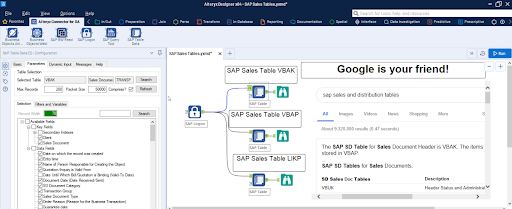
The SAP SD module is built on tables and uses them to store data. We’ll go through SAP SD tables and their relationships in this tutorial. SAP SD tables are critical storage for corporate data connected to SAP ERP software’s sales and distribution activities. The SD tables are basically divided into three parts:
These are the SD module’s building blocks, and it’s only natural to address tables in this sequence. Please look at the slides to see how the tables from different blocks were connected. Being an expert in SAP SD necessitates an understanding of these relationships.
Become a SAP SD Certified professional by learning this HKRSAP SD Training!
1) Sales
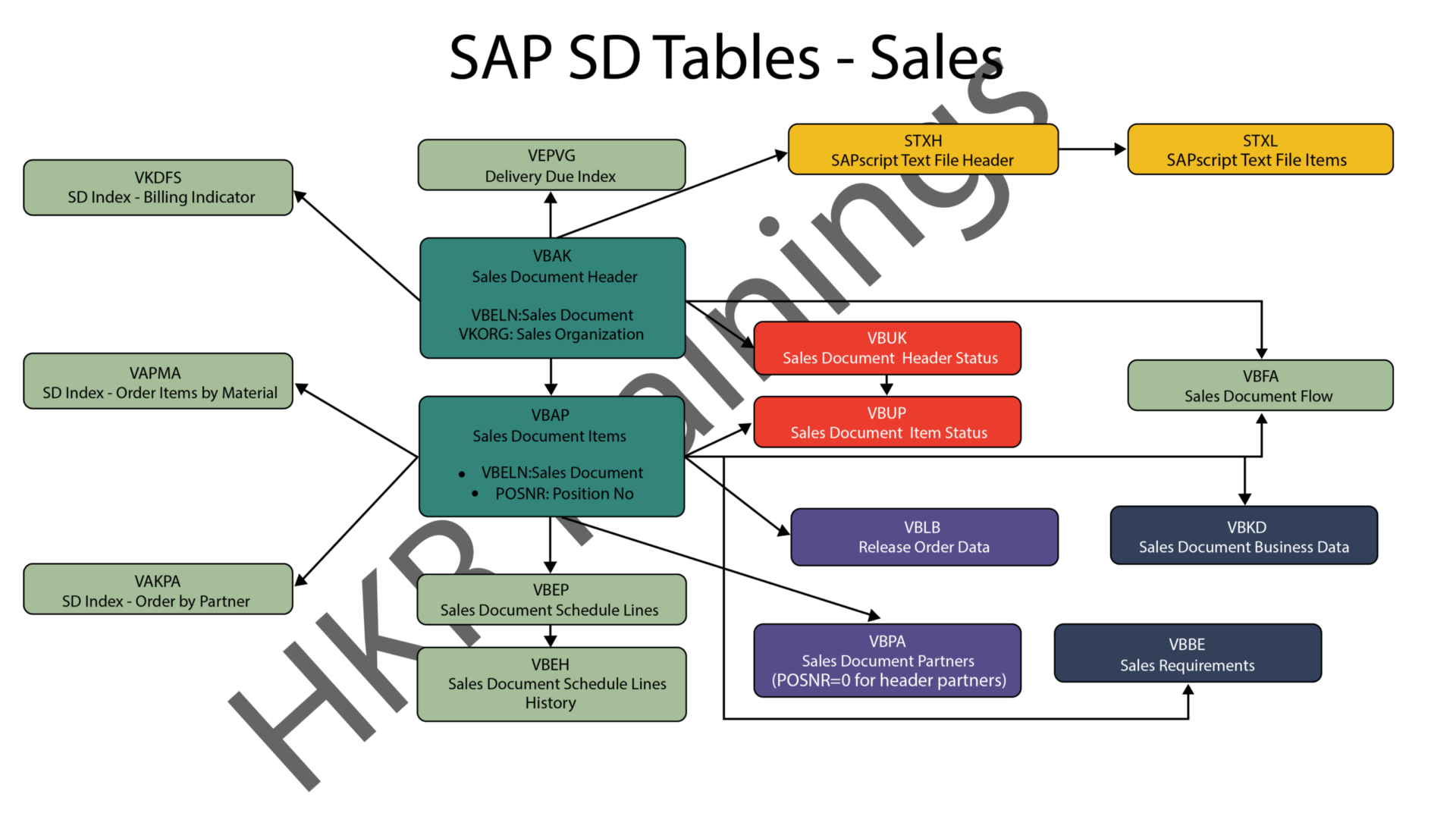
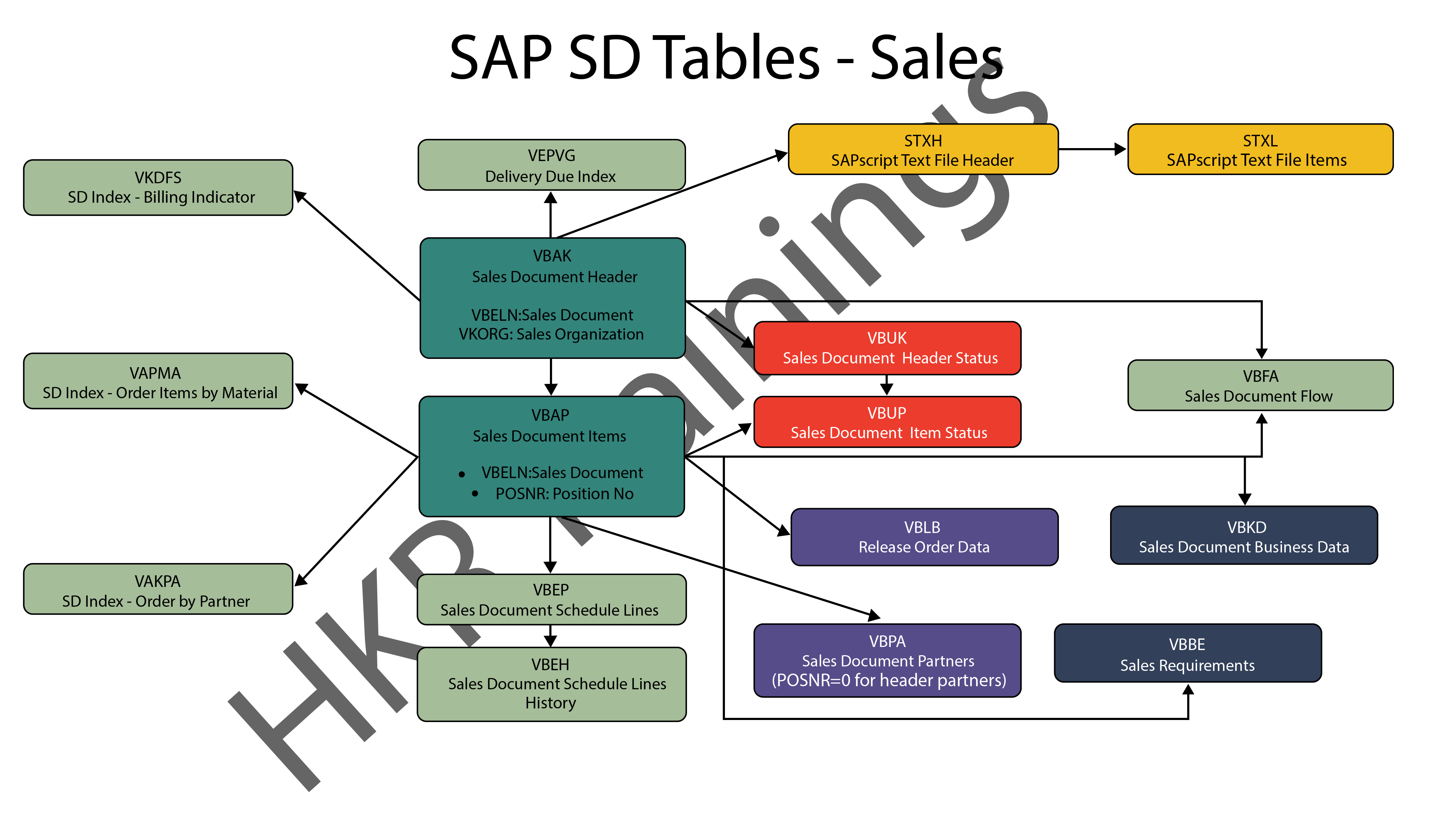
In SAP SD, the first block is about sales procedures.This indicates that the SAP SD tables in this block would be related to sales orders, quotations, and other similar transactions. We designed a visual slide that lists all of the tables and their relationships.
2) Shipping
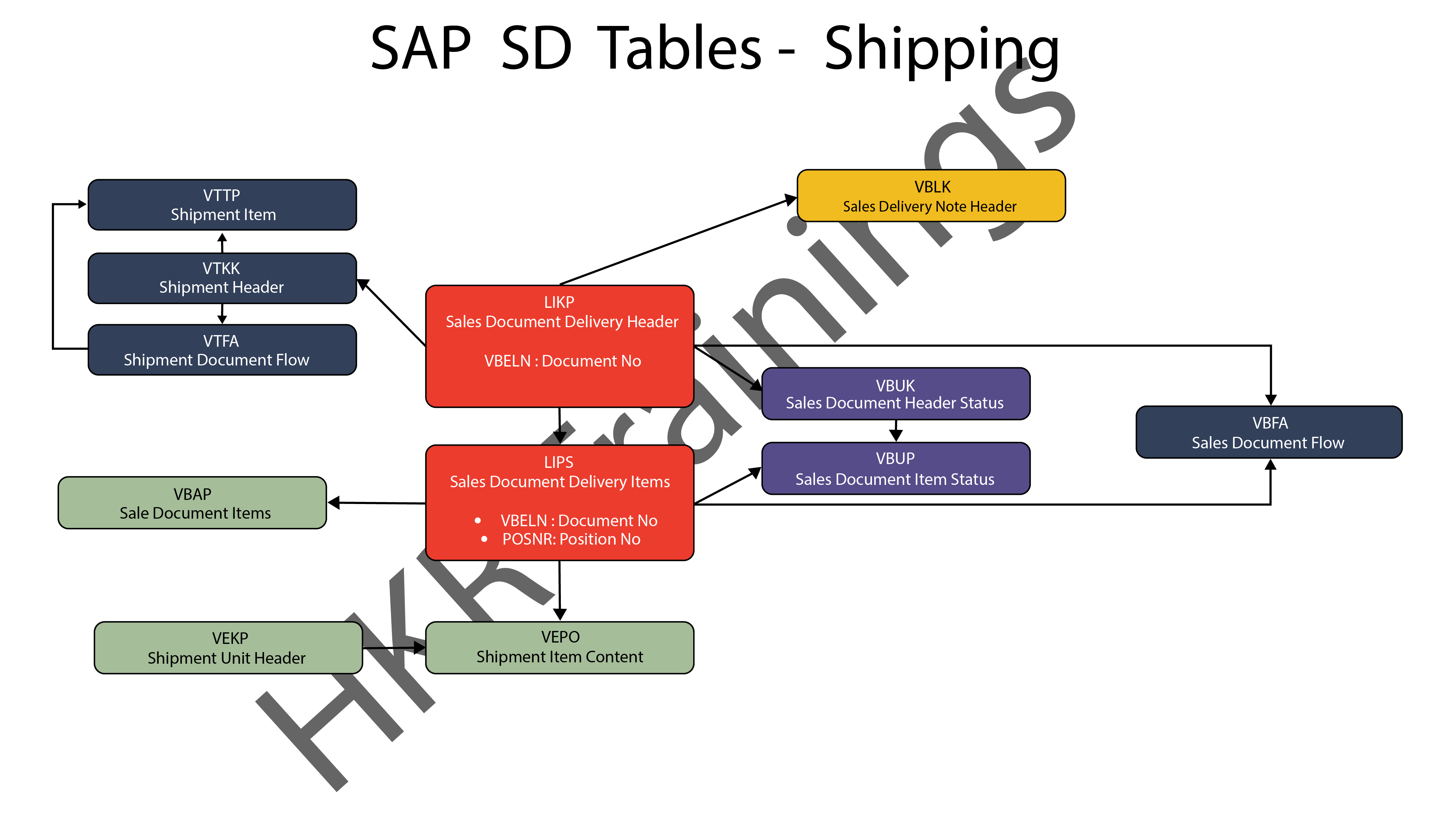
ThIs section is about SAP SD’s shipping processes. In this section, SAP SD tables deal with inbound and outbound deliveries, as well as shipments. Likewise, we’ve created a visual slide with links illustrating table relationships.
SAP SD Training
Master Your Craft
Lifetime LMS & Faculty Access
24/7 online expert support
Real-world & Project Based Learning
3) Billing
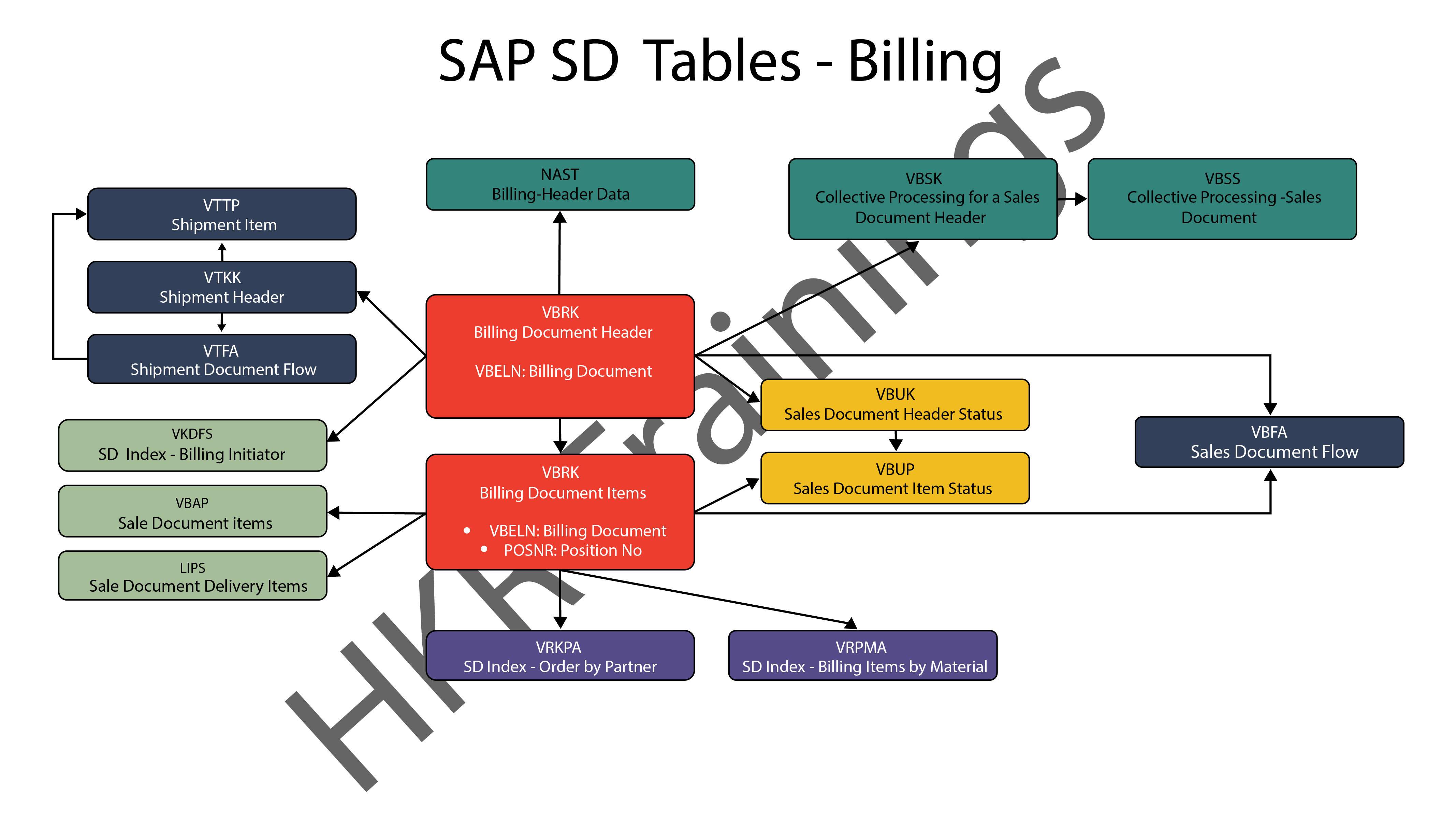
The billing feature of SAP SD is the last but not least. SAP has a variety of tables which are used to support a company’s billing procedures. Billing documents, as well as other related data, such as output conditions, are saved in these tables by SAP.
To provide the best experiences, we use technologies like cookies to store and/or access device information. Consenting to these technologies will allow us to process data such as browsing behavior or unique IDs on this site. Not consenting or withdrawing consent, may adversely affect certain features and functions.
Functional
Always active
The technical storage or access is strictly necessary for the legitimate purpose of enabling the use of a specific service explicitly requested by the subscriber or user, or for the sole purpose of carrying out the transmission of a communication over an electronic communications network.
Preferences
The technical storage or access is necessary for the legitimate purpose of storing preferences that are not requested by the subscriber or user.
Statistics
The technical storage or access that is used exclusively for statistical purposes.The technical storage or access that is used exclusively for anonymous statistical purposes. Without a subpoena, voluntary compliance on the part of your Internet Service Provider, or additional records from a third party, information stored or retrieved for this purpose alone cannot usually be used to identify you.
Marketing
The technical storage or access is required to create user profiles to send advertising, or to track the user on a website or across several websites for similar marketing purposes.