Tom Dumont Reveals Early On-Set Parkinson’s Disease Diagnosis | No Doubt, Tom Dumont | Celebrity News and Gossip | Entertainment, Photos and Videos


Tom Dumont has revealed he has been diagnosed with early on-set Parkinson’s Disease.

The 58-year-old No Doubt guitarist opened up about his health in a new video shared to Instagram.

“Sharing a personal update. I’m doing well, many thanks for your support,” he captioned the video.

Keep reading to find out more…

Tom started out his video by talking about preparing for No Doubt‘s upcoming Las Vegas residency at the Sphere in May, before diving into his health update.

“The other thing I wanted to talk about was my health – so a number of years ago I was experiencing a number of symptoms, went to my doctor, I went to a neurologist, and, uh, I did a whole bunch of tests and I was diagnosed with early-onset Parkinson’s disease,” he shared. “It’s been a struggle, it’s a struggle every day, and I’ll make another video with details about what Parkinson’s entails.”

According to Mayo Clinic, Parkinson’s “is a movement disorder of the nervous system that worsens over time. The nervous system is a network of nerve cells that controls many parts of the body, including movement.”

The musician continued to note the good news – “I can still play music, I can still play guitar, I have been doing really well.”

“The other thing is I’ve just been very inspired by so many people who have come out to talk about their health issues on social media and that sort of thing,” he continued. “I think it helps erase some of the stigma and it raises awareness, obviously, and awareness is really important for prevention and for research.”

“So that’s it, I am really excited for the shows, I can’t wait to see everybody and thank you for listening,” Tom concluded.

One of the most notable celebs who is also battling Parkinson’s is Michael J Fox, who recently returned to acting for the first time in years in the new season of Shrinking. Muhammad Ali, George H.W. Bush, Neil Diamond, Brett Favre, Reverend Jesse Jackson, Ozzy Osbourne, and “Heated Rivalry” author Rachel Reid are also among those who have been diagnosed with Parkinson’s.




Source link

Leave a Reply

Subscribe to Our Newsletter

Get our latest articles delivered straight to your inbox. No spam, we promise.

Recent Reviews


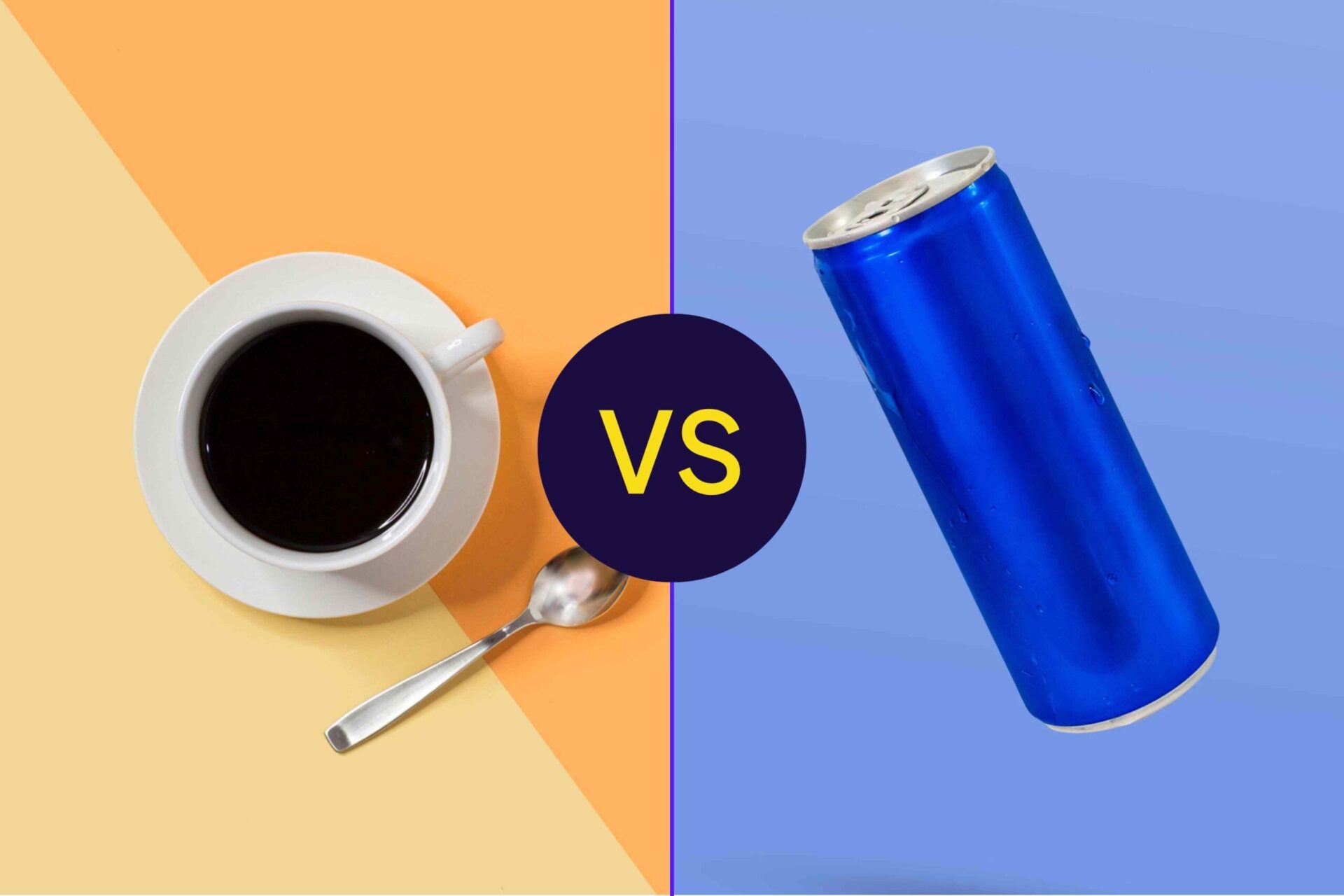
Coffee and energy drinks are popular sources of caffeine, but may have different health effects.Credit: Health / Getty Images
Coffee and energy drinks are popular sources of caffeine, but may have different health effects.
Credit: Health / Getty Images
  • Both coffee and energy drinks can vary in caffeine content.
  • Moderate caffeine consumption is recommended for reducing the risk to your heart.
  • Energy drinks have been shown to cause heart problems, but more research is needed.

Coffee and energy drinks are popular options for a quick energy boost. Both caffeinated beverages can support physical endurance, alertness, and reaction time. However, they can also increase heart rate, reduce steadiness, and increase your added sugar intake.

Which One Will Give You More Energy?

Coffee and energy drinks can both range in caffeine content, which can affect their impact on energy levels. Coffee drinks vary in caffeine based on the brew method and bean type, but on average, a cup (8 ounces) of coffee contains about 113-247 milligrams of caffeine.

Standard 16-ounce energy drinks can contain anywhere from 70 to 240 milligrams of caffeine. Concentrated 2-2.5 ounce energy shots pack about 113-200 milligrams of caffeine in a much smaller volume.

It's important to be aware of how much caffeine you’re consuming and check nutrition labels. However, energy drink manufacturers aren’t required to disclose the caffeine content.

Which Has a Greater Impact on Heart Health?

Research shows consuming high levels of caffeine can raise your blood pressure and heart rate, as well as affect your heart’s rhythm. This risk is especially high for children since their cardiovascular and nervous systems aren’t fully developed.

Coffee's effect on heart health is more widely researched than that of energy drinks. Evidence suggests that moderate coffee drinking can support heart health, while heavy consumption increases heart disease risk. How you prepare your coffee also affects the way it impacts your heart. Boiled coffee, like the kind you can make with a French press, can increase your cholesterol levels. High amounts of caffeine can also have negative effects on the heart, so many people with existing heart conditions choose decaf coffee out of caution.

Some case studies show that energy drink consumption can harm heart health, even in young people, but more research is needed to understand the mechanisms behind this. Some of the more severe cases include sudden death from drinking an energy drink.

What Other Ingredients, Besides Caffeine, Can Affect My Health? 

Coffee and energy drinks aren’t just pure caffeine. It’s important to consider their other ingredients when thinking about how they can impact your health. Early research suggests some of the cardiovascular effects of coffee and energy drinks may be more related to other ingredients than caffeine.

For example, energy drinks can contain a range of other ingredients, such as guarana (which contains additional caffeine), sugar, B vitamins, and other energy-boosting compounds. Both coffee drinks and energy drinks can contain high amounts of added sugar. Energy drinks can also interact with alcohol and prescription or illicit drugs, causing negative health effects.

Risks of Having Too Much Caffeine

Whether you choose coffee, an energy drink, or another caffeinated drink for your energy boost, it’s important to watch how much caffeine you’re consuming per day. Adults without underlying health conditions should limit their total caffeine intake per day to 400 milligrams. People who are pregnant or breastfeeding should stick to half of that limit, or about 200 milligrams. You can always check with your healthcare provider about your individual health status and their recommendations for your caffeine levels.

If you consume too much caffeine, you may notice:

  • A faster heart rate or a racing heart
  • High blood pressure
  • Trouble sleeping
  • Anxiety or jitters
  • Nausea or an upset stomach
  • Headache

If you’re choosing an energy drink, research suggests having only one drink at a time, with a max of two per day, for safer outcomes.


Source link