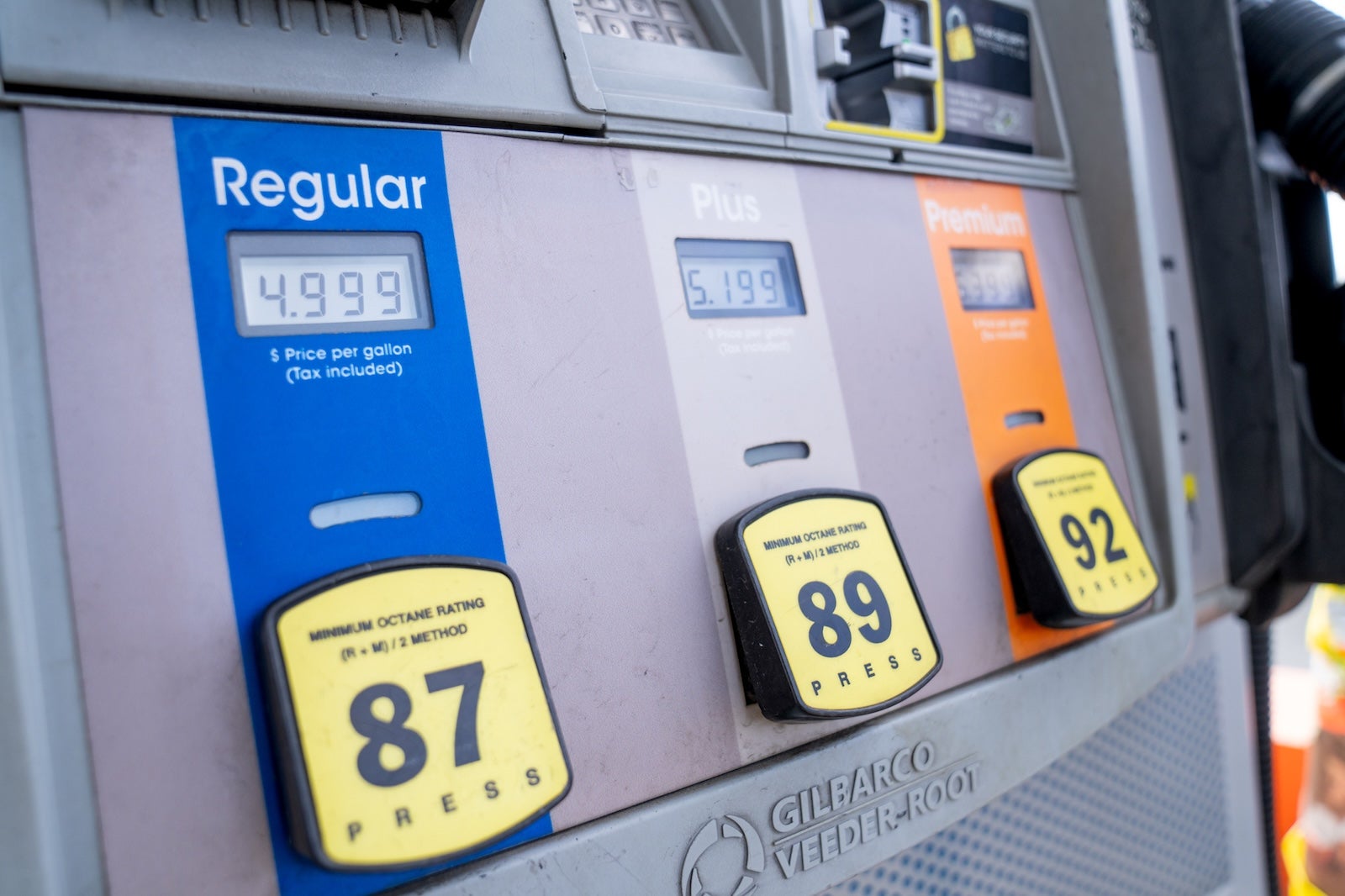

Oil and gas prices are soaring as conflict rages once again in the Middle East. That’s not great for consumers already reeling from inflation over the past several years. The average gallon of gas is now $4.52, according to AAA. That’s up more than 60 cents from a few months ago.
So, how do you save on gas?
There are now multiple apps, programs and strategies that can help you drop the price per gallon on your next fill-up. These gas savings add up over the year in a very real way. In fact, one former TPG staffer saved more than $1,000 on gas in one year.
I talked to several TPG staffers about their strategies. Among the hacks were joining Walmart+, using cash-back or bonus offers on select credit cards, taking advantage of a new site called Upside, and using gas station rewards programs.
Here are some of our top tips for saving on gas.
Fuel savings programs
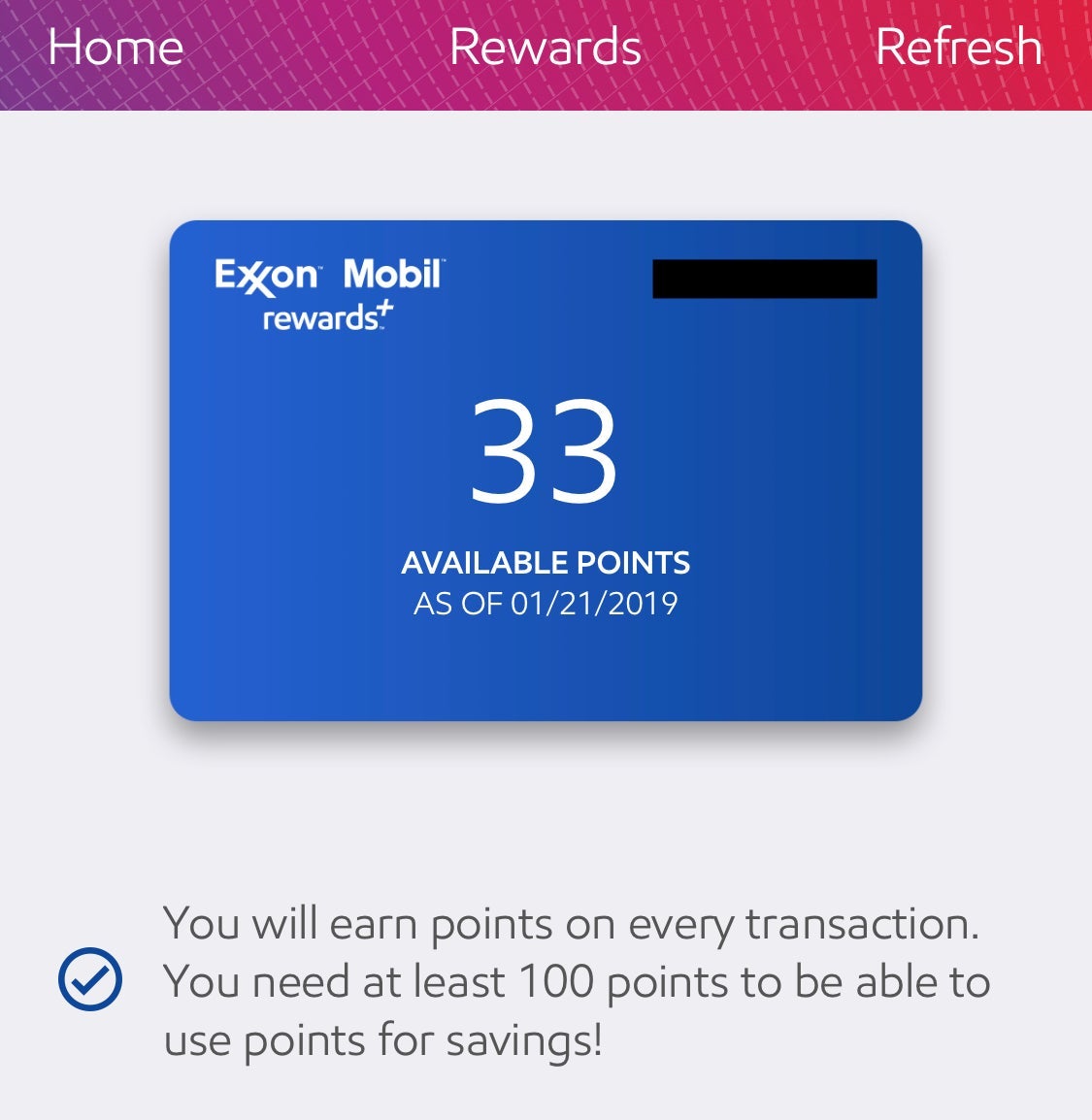
Exxon Mobil Rewards+
Earn 3 points per gallon of gas pumped and 2 points for every $1 spent in the gas station’s convenience store. Each point is worth 1 cent in discounted gas or convenience store items, and you need at least 100 points to redeem $1 in savings. The savings here are not per gallon but rather a flat dollar amount.
This is probably the least lucrative of the programs. The program does have regular sign-up bonuses for new customers, so check its latest offers if you don’t yet have an account.
Fuel Rewards
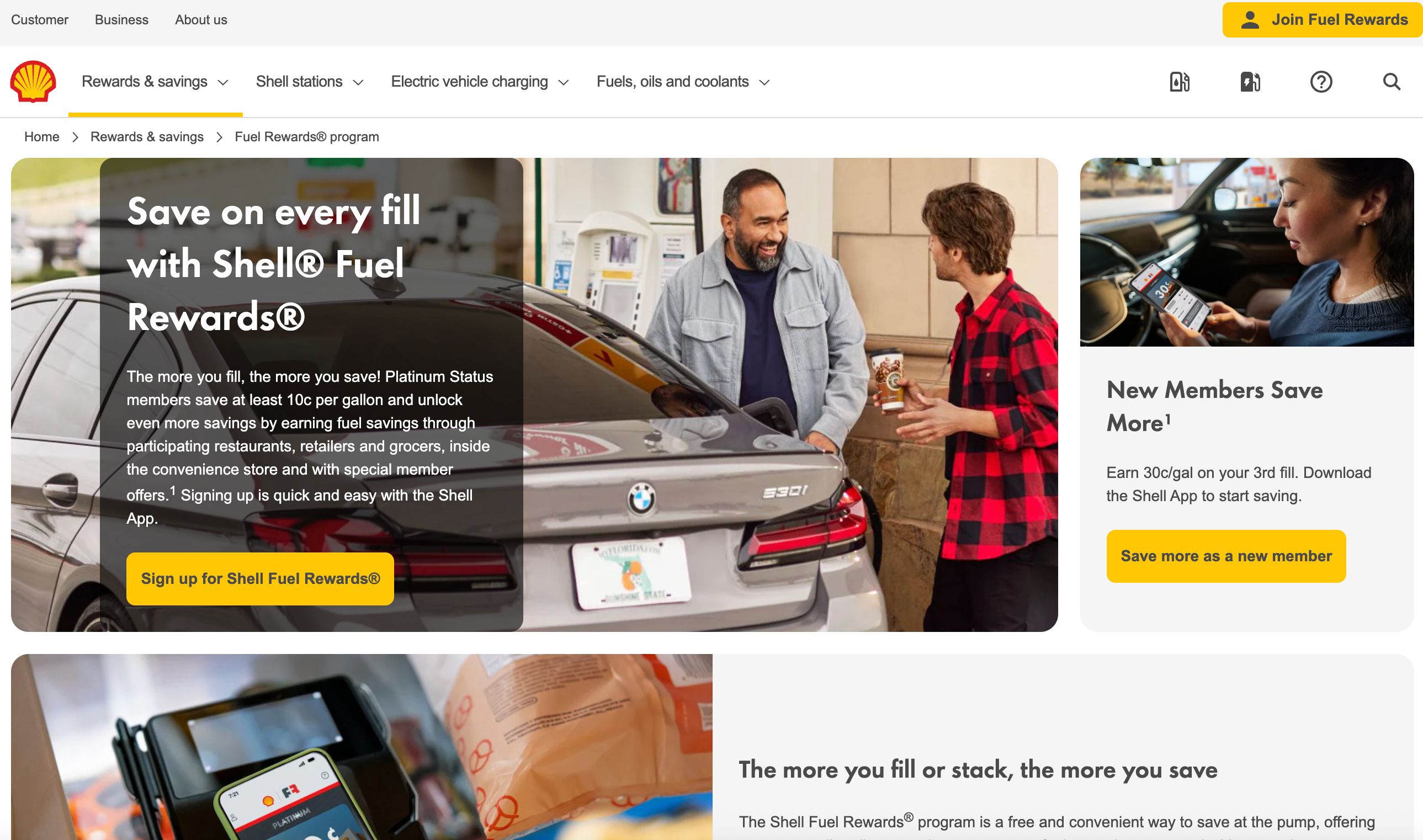
The Fuel Rewards program tied to Shell has been one of the most lucrative ways to save at the pump at Shell gas stations.
There are various avenues to earn rewards. You can link your credit or debit card to the program and then shop at participating merchants to earn savings.

Reward your inbox with the TPG Daily newsletter
Join over 700,000 readers for breaking news, in-depth guides and exclusive deals from TPG’s experts
Rewards accrue as cents-per-gallon discounts, which you can stack and redeem when you fill up at participating Shell stations.
Fuel Rewards also has an online shopping portal that gives you a certain number of cents off per gallon when you shop at participating merchants.
Download the app or sign up to earn automatic Gold status, which gives you 5 cents off per gallon on every fill-up. Research all the different actions you can take and limited-time offers you can participate in to save on your next fill-up. Each fill-up is limited to 20 gallons.
Shell allows members to link participating grocery loyalty programs, including Giant Flexible Rewards, to their Fuel Rewards account. Then, you can use your grocery store points through Fuel Rewards for discounts on your next fill-up.
Related: Saving on gas: Everything you need to know about fuel loyalty programs
Kroger Fuel Points
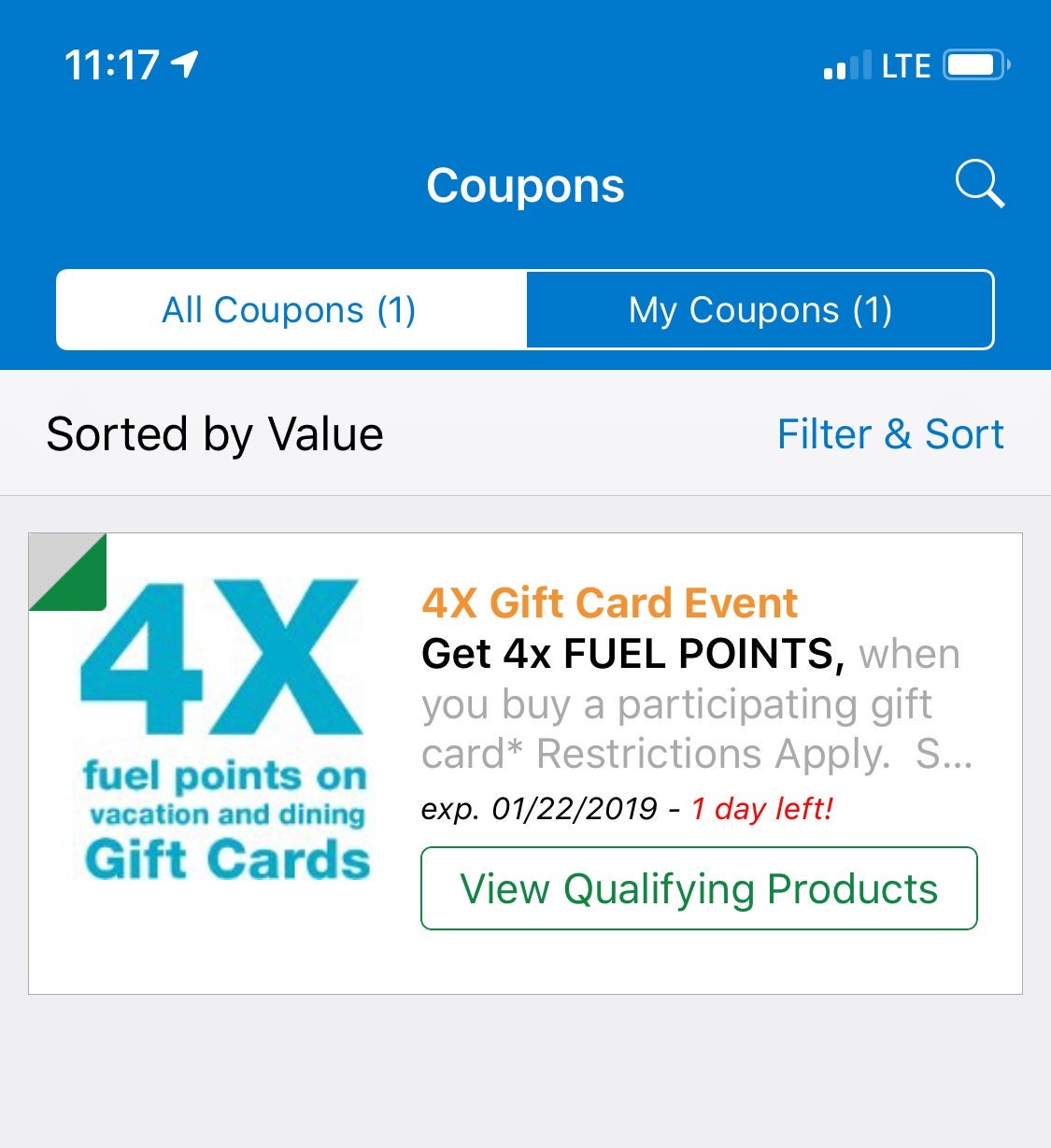
You’ll earn 1 point per dollar spent every time you shop at Kroger. Every 100 points is worth 10 cents off per gallon on your next fill-up. Kroger often makes it easy to earn points by offering bonus earnings of 2 to 4 points per dollar spent on gift cards and certain grocery items.
During any special, such as one that earns you 4 points per dollar spent on gift cards, you must load the digital coupon on the Kroger app to your Kroger Plus Card before checkout.
The maximum discount per gallon of gas is $1 (with the exceptions noted earlier), and you can purchase up to 35 gallons of gas for each fill-up. If you buy a $500 Disney gift card from Kroger during a bonus points event that nets you four times the points, you’ll earn 2,000 points; this is good for two fill-ups of $1 off per gallon on up to 35 gallons (or a maximum of $70 in savings). That becomes a 14% discount off the $500 Disney gift card if you value gas savings like cash.
Of course, you can also pay for your purchase at the grocery store with a card that awards a bonus. For instance, the American Express® Gold Card earns 4 points per dollar spent at U.S. supermarkets (on up to $25,000 in purchases per calendar year, then 1 point per dollar).
Related: Best grocery credit cards
Marathon Arco Rewards
Marathon Arco Rewards members earn 5 cents in rewards for every gallon purchased at participating Marathon or Arco stations, as well as periodic savings at the pump, like sign-up bonuses and introductory rewards for new members.
Pay with GasBuddy+
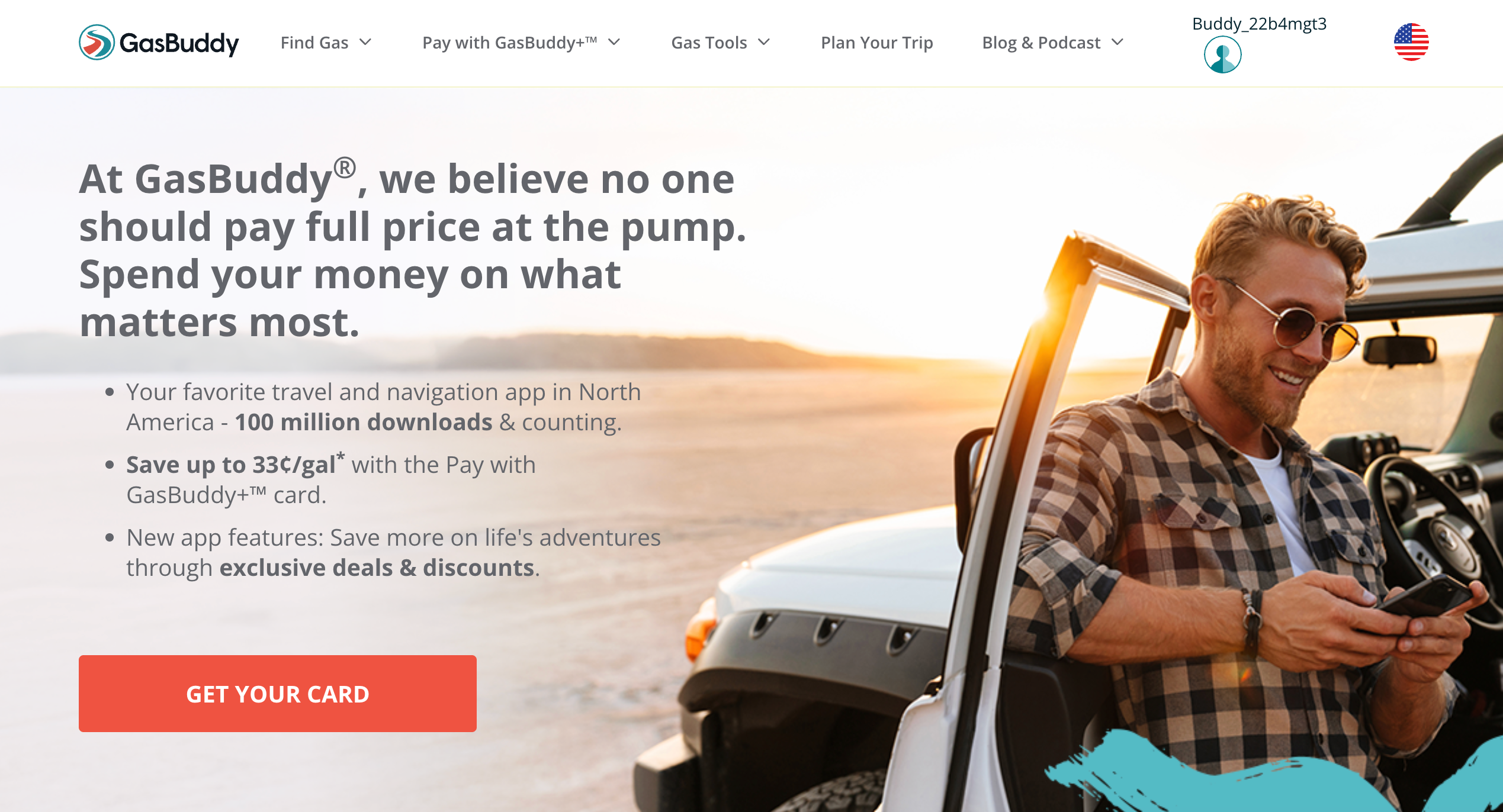
You may know GasBuddy as the site that shows you gas prices in certain areas. GasBuddy offers an avenue to pay for fuel at the pump and earn rewards.
Pay with GasBuddy+ gives drivers instant savings at the pump. You now activate deals in the GasBuddy app before you pump gas to save additional cents per gallon.
When you sign up for Pay with GasBuddy+, you’ll link your checking account to the service and receive a physical card that looks like a credit card. Use the card to pay at the pump, and your checking account will be debited the amount you paid, less any savings. What’s great about Pay with GasBuddy+ is the ability to stack your savings with any discounts you receive from other savings programs.
Pay with GasBuddy+ doesn’t care how much the fuel costs, only how many gallons of gas you pump. If you use Fuel Rewards to only pay $1 per gallon for gas, you’ll still earn your Pay with GasBuddy+ savings per gallon.
Trunow
The Trunow app offers about 1% cash back on gas receipts from any station, and it allows you to redeem your rewards at the station. You can search on a map for nearby stations.
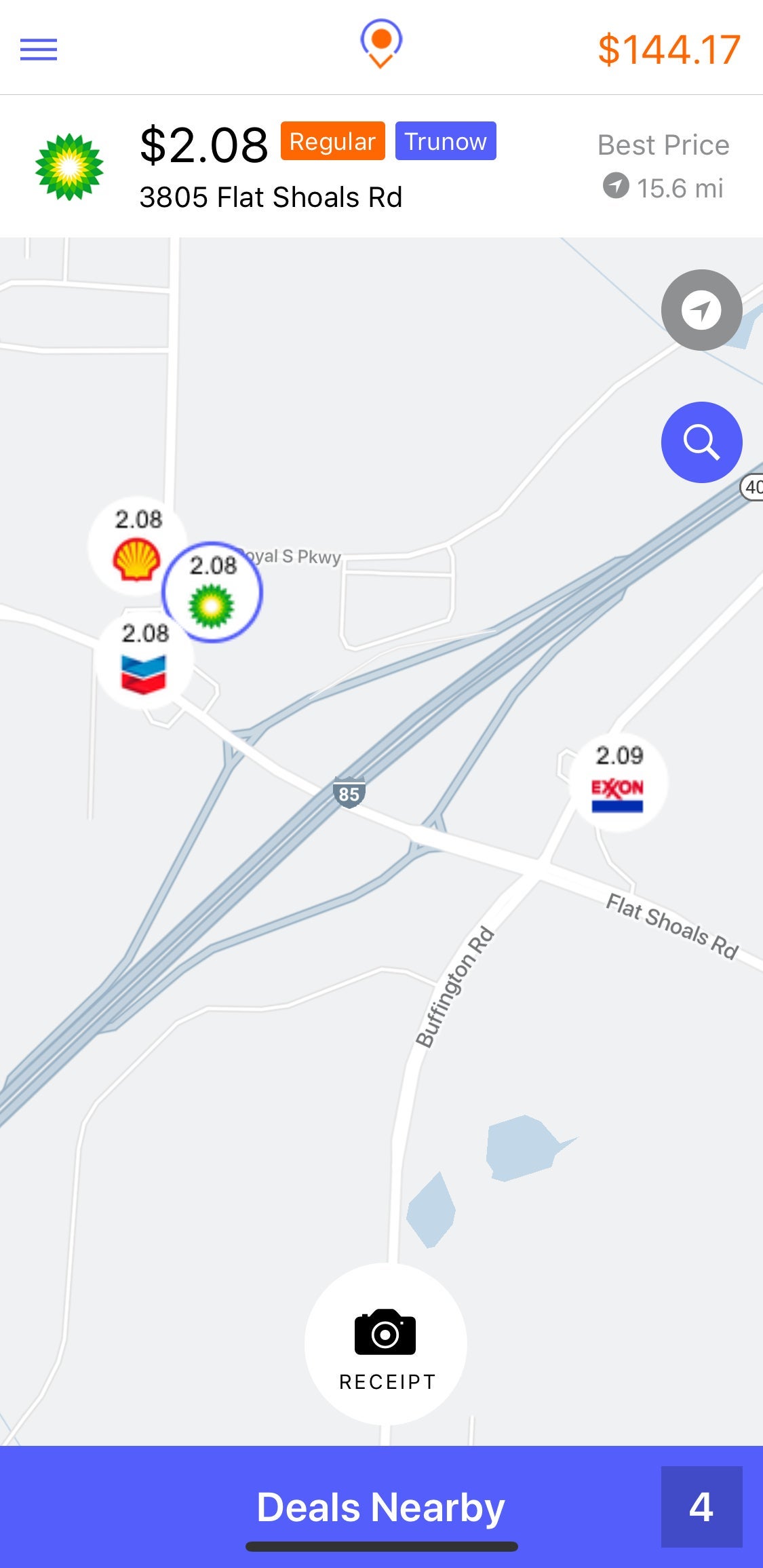
Trunow partner stations are identified on the map with a blue circle around them. To earn savings, all you have to do is take a picture of your gas receipt with the app. Within two days, you’ll see the cash back in your account.
Upside
Upside is a third-party app that offers savings not just at the pump, but also at some restaurants and grocery stores. In the app, you can claim offers that give you a certain number of cents off per gallon at participating gas stations.
Once you sign up and claim an offer, you have a limited amount of time to fill up at the station you selected using a linked credit card. After the purchase is verified, the cash back shows up in your Upside account. From there, you can cash out whenever you like once you reach the minimum redemption amount. Another perk: The savings apply to up to 50 gallons per transaction, which can make the discounts even more valuable.
Walmart
Walmart+ members can save 10 cents per gallon of gas — and that’s how TPG’s Becky Blaine is saving right now on gas.
Just go to the app and click services and then on the button that says “Gas Savings.” It will open your camera and you can scan the QR code on the pump.
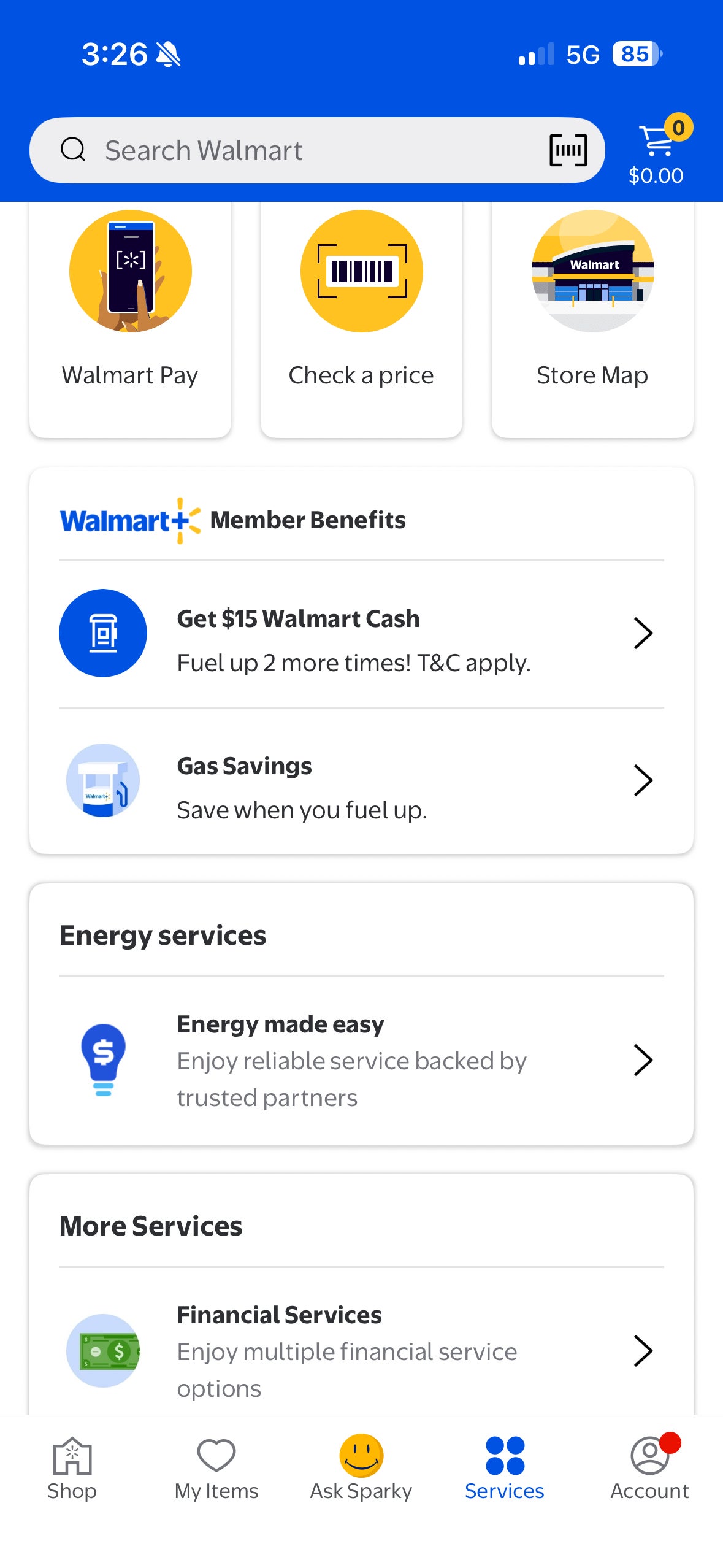
There are thousands of participating gas stations across the country, from Exxon, Mobil, Sam’s Club locations, Walmart Fuel locations and Murphy.
There’s also a current bonus offer within the app to earn $10 in Walmart Cash after you fill up three times valid until May 25, 2026).
Triple stack
This is where things get good. You can use Fuel Rewards, Pay with GasBuddy+ and Trunow all on the same gas fill-up for a triple stack of savings. Here is a breakdown of how it could work:
- If you have $1 in Fuel Rewards, you can lower the price on the pump at a participating Shell station from $2.50 per gallon to $1.50 per gallon.
- Use your Pay with GasBuddy+ card to save 20 cents per gallon pumped (as the gas price doesn’t matter).
- Scan your pump receipt into Trunow and earn up to 2% additional cash back.
Stacking offers can really cut down on the total you are paying at the pump.
And, of course, you’ll want to pay the remaining gas cost with a credit card that awards a bonus at the gas station for even more savings or earnings.
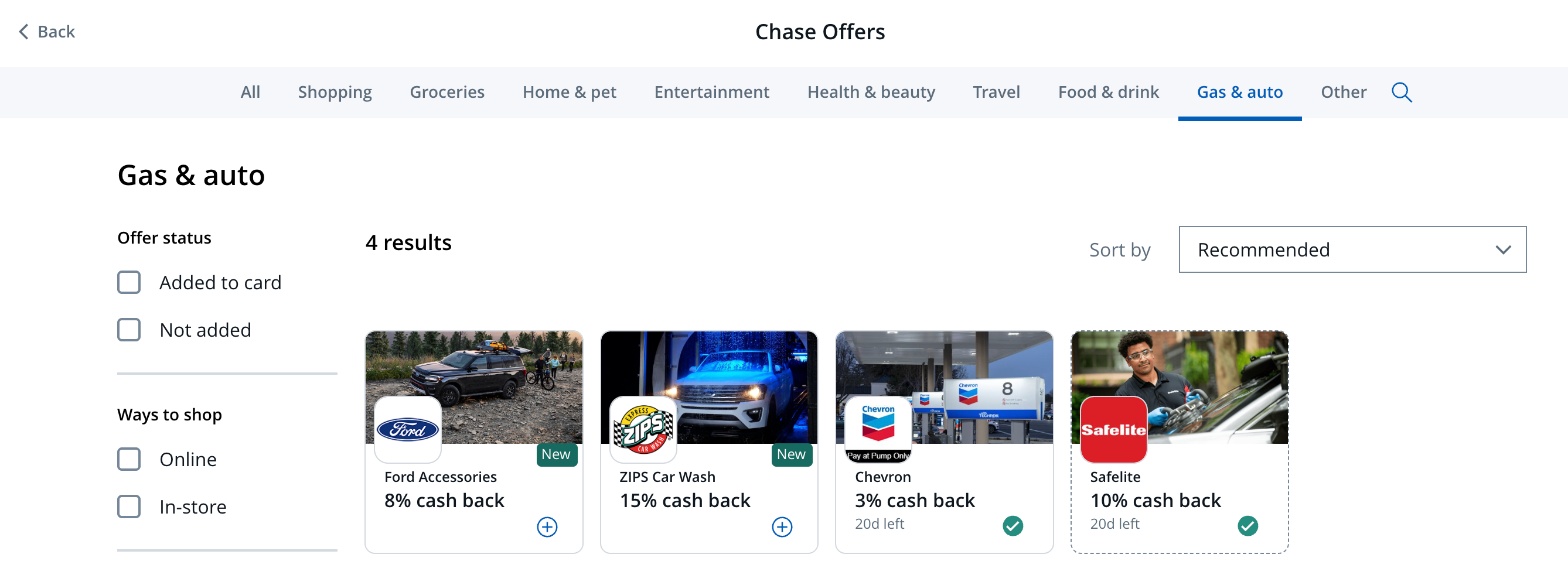
When searching for gas savings, you should also look out for American Express or Chase offers that work at gas stations. For example, TPG’s Giselle Gomez found a 3% cash-back offer for Chevron gas.
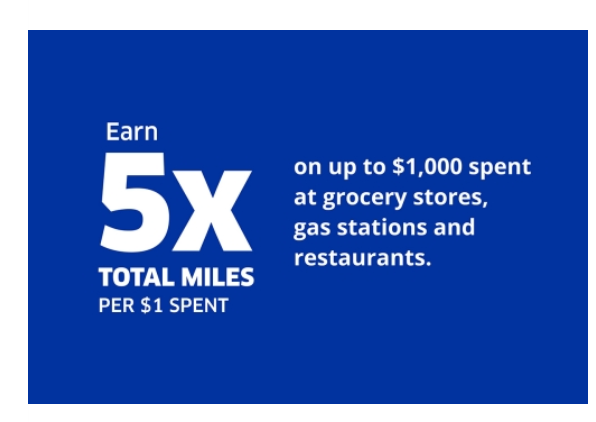
TPG staffer Andrea Rotondo found a bonus offer for 5 points per dollar spent on gas purchases, also at Chase.
Check the Amex Offers section on any relevant American Express credit cards you have.
How other TPG staffers are saving
We are all getting creative trying to save as prices climb. Several TPG staffers are stacking credit card rewards with loyalty programs and apps.
Several are using the previously mentioned Upside app, which offers cash back on gas purchases (and sometimes groceries and dining). Some also combine Upside with credit card merchant offers from issuers like Chase and Citi to increase their savings.
Gas station loyalty programs are also playing a role. TPG writer Tarah Chieffi said she keeps multiple station apps on her phone and checks them before filling up. She said she’s saved as much as 50 cents per gallon.
Grocery store fuel points are another popular strategy. TPG writer Augusta Stone said she racks up points through Harris Teeter (part of Kroger) grocery purchases and redeems them for fuel discounts.
Several TPGers also highlighted membership perks and telecom partnerships. For example, Walmart+* — complimentary with the American Express Platinum Card® — offers 10 cents off per gallon at Walmart, Murphy and Exxon stations. Meanwhile, T-Mobile Tuesdays can unlock Shell Gold status, providing additional fuel discounts.
Don’t forget to maximize credit card rewards and take advantage of limited-time offers. Examples we found included:
- Citi Strata℠ Card (see rates and fees) for 3 points per dollar spent on gas
- Wyndham Rewards Earner® Business Card for 8 points per dollar spent on qualifying purchases at the pump
- United℠ Explorer Card (see rates and fees) promotion offering 5 miles per dollar spent on gas purchases through March 31 (must register by March 15)
- Rotating quarterly bonus categories on cards like Discover it® Cash Back Credit Card and Chase Freedom® (no longer available) and Chase Freedom Flex® (see rates and fees)
- Merchant-specific offers, including promotions with 3% to 5% back at stations like Chevron, Arco, Sunoco and Cumberland Farms
The information for the Wyndham Rewards Earner Business, Discover it Cash Back and Chase Freedom has been collected independently by The Points Guy. The card details on this page have not been reviewed or provided by the card issuer.
And for those simply looking for the cheapest nearby fuel, apps like GasBuddy can really save you some cash.
*With the Amex Platinum, enroll and receive a statement credit of up to $12.95 each month (plus applicable taxes) toward one Walmart+ membership. (Plus Ups excluded; subject to auto-renewal).
Basic strategies
For all the gas programs outlined above, the savings principles are pretty similar. Still, there are a few things to plan out beforehand.
Maximum gallons allowed
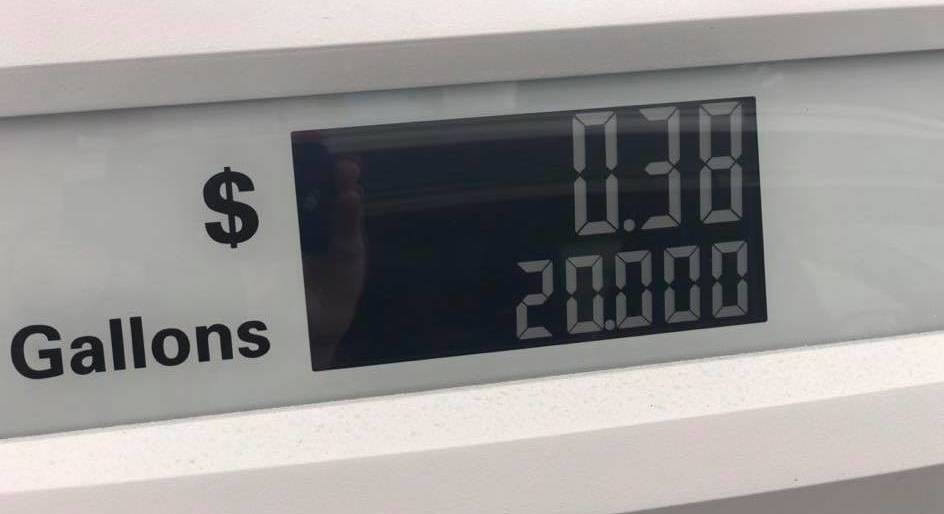
The different gas savings programs cap your discounted gas at a certain number of gallons per fill-up. Kroger, for example, allows 35 gallons of discounted gas per fill-up, while Fuel Rewards only allows 20 gallons. Once you use your savings for each program to lower the price at the pump, they are exhausted, whether you get 1 gallon of gas or the maximum allowed.
So, to maximize your savings, you want to get as close as possible to the maximum number of gallons allowed per fill-up. It can mean filling up multiple cars at the same time, and it can also mean bringing a few empty gas cans to catch the remainder of the discounted gas after the vehicle is full.
Related: The best gas credit cards
Maximum discount
Depending on your state and the program you use, the gas discount may be capped or uncapped. Different loyalty programs have different rules. Many programs cap per-transaction discounts. (For example, Kroger caps redemption at $1 per gallon.) Others technically allow stacking but limit the number of gallons or the redemption conditions.
Meanwhile, Shell’s Fuel Rewards can reduce your gas cost by as much as 10 cents per gallon, depending on your status tier.
Expiration dates
One way these companies can offer such lucrative discounts is to count on breakage. Most of these programs have short expiration periods of one to three months, within which you must use your fuel savings. If you forget to fill up before your points and savings expire, there’s nothing you can do to get them back.
For example, Kroger fuel points expire at the end of the following month after they’re earned.
Bottom line
Almost every grocery store and gas station chain has its own version of fuel savings, so make sure you’re at least participating in a program for the area where you normally fill up.
With gas prices rising, we all need to do what we can to save money. And don’t forget to lock in airfare for the year now if you can. Higher gas prices will eventually mean higher airplane tickets as well.
Related reading:

Stacie Harris is a local resident and reporter of the Maple Grove area. Stacie reports on medicine and science for the Maple Grove Report.