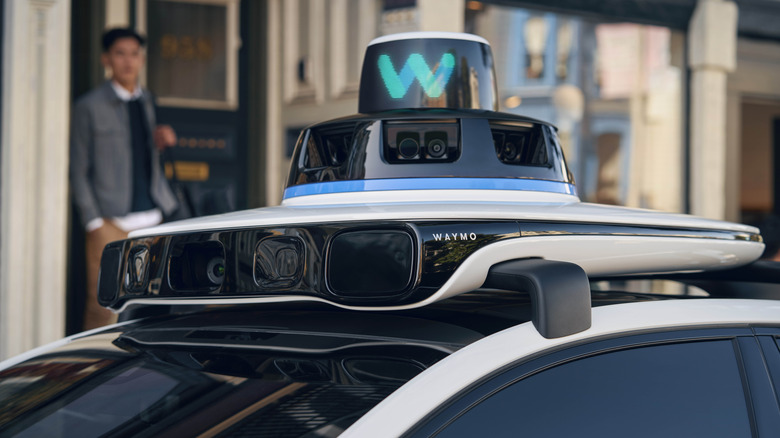

The company likened the system to a behavioral crash dummy.
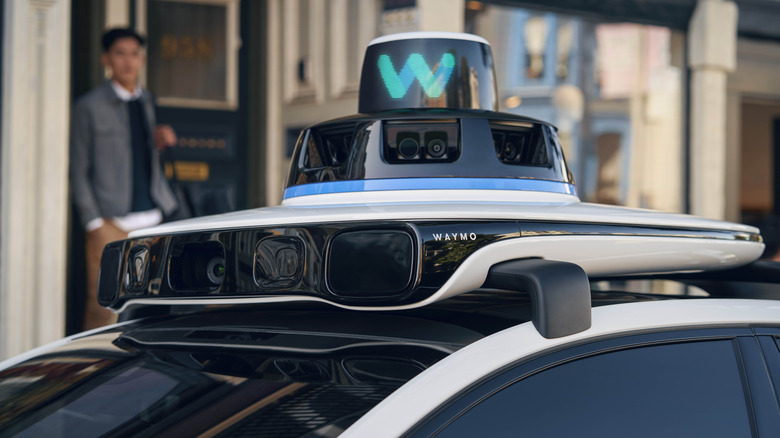
What is it that makes human drivers better than autonomous systems? Waymo is trying to figure that out with a new cognitive system called ReD (Reference Driver) that models the way people stay safe on roads. The aim is to test this virtual human driver against its own robotaxis to improve accident avoidance.
“Evaluating AV safety is multifaceted, and understanding how a human handles conflict is a critical piece of the puzzle,” said Waymo safety chief Mauricio Pena. “By establishing this reference model of a competent human response, we can help the industry move toward a shared, scientifically grounded approach for evaluating collision-avoidance behavior.”
Waymo developed the ReD model in collaboration with the Delft University of Technology in the Netherlands and published the findings in a Nature research paper. The company likened the system to a behavioral crash test dummy designed to avoid crashes in the first place.
ReD is based on a neuroscientific concept called active inference, which posits that people are always trying to minimize surprise. It expands on Waymo’s previous models by simulating “how a careful and competent human driver updates their beliefs as a situation evolves, manages uncertainty about other road users’ intentions, and selects the evasive maneuver, whether that is braking, swerving, or a combination of both,” Waymo wrote.
The model fuses several human traits: “looming” judges threats based on how fast an object grows in its field of view; “traffic norm” filters for actions that fall outside of law-abiding behavior to devise a plan if something goes wrong. It even accounts for single-foot driving by creating a 0.2-second pause between gas and brake application.
ReD also does something many of us were taught by our parents or driving instructors: assume something will go wrong. “ReD can model proactive avoidance, showing how a competent driver anticipates potential risks to avoid entering into a conflict in the first place,” the Waymo team explains.
Waymo is working with other researchers, along with safety organizations and regulators, to help perfect a model that reflects a “careful and competent” human driver. To accelerate that, the company will make ReD open source available under an academic (non-commercial) license.

Stephan is the sports journalist for the Maple Grove Report.