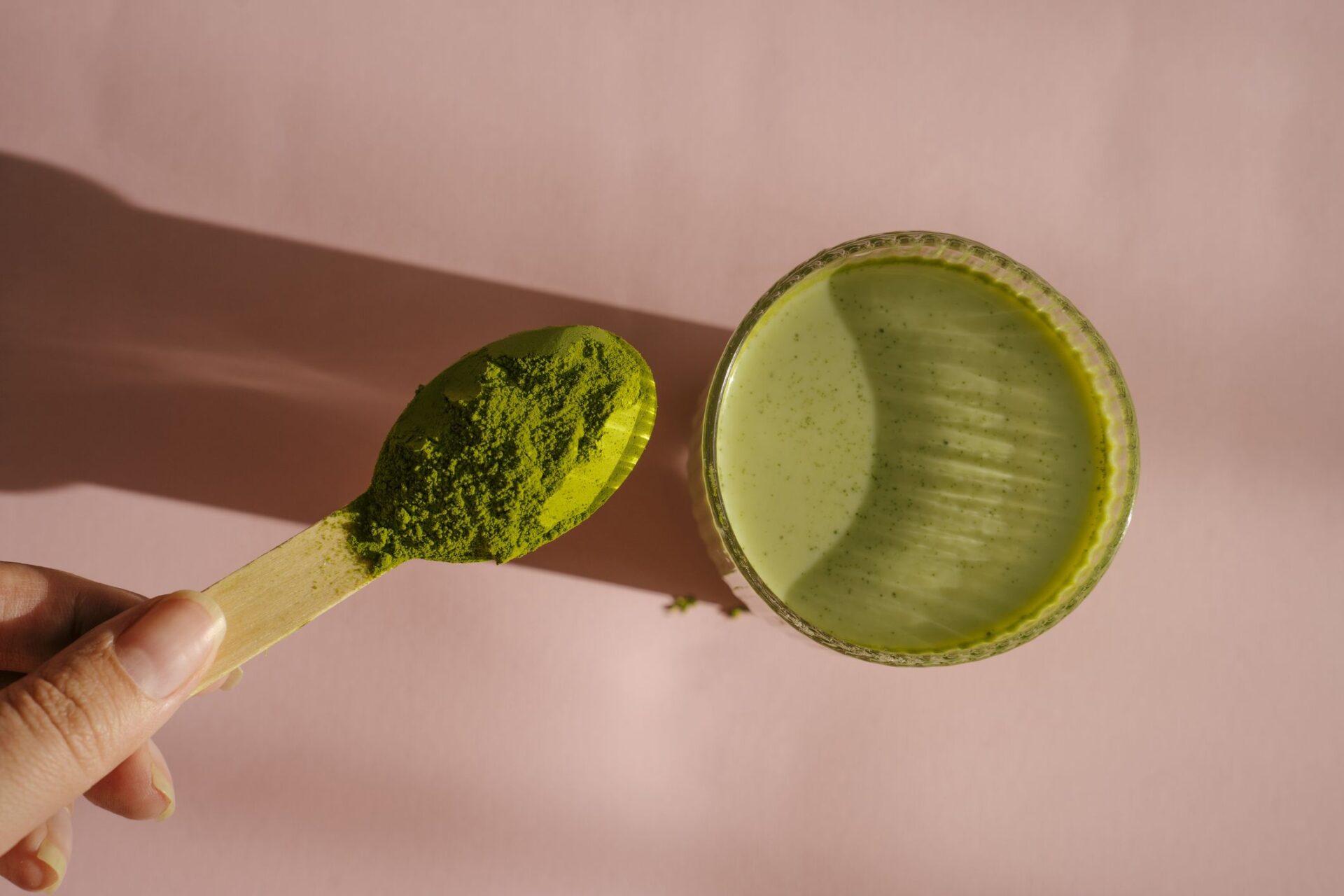
:max_bytes(150000):strip_icc():format(jpeg)/Health-GettyImages-GreensPowder-00ae6199288e406b862ae489d0d7156f.jpg "Glass of matcha on pink background.")
- Greens powders may help support hydration, micronutrient intake, gut health, and antioxidant levels.
- Benefits vary widely by product, since formulations differ in fiber, probiotics, electrolytes, and added vitamins and minerals.
- It’s important to choose third-party tested products to avoid contamination, excessive nutrient intake, or ingredient interactions.
Greens powders have become a popular, convenient way to add more nutrients to busy routines, but what benefits do they actually offer? We spoke with experts to break down what really happens when you start every morning with a greens powder.
1. You May Be More Hydrated
Whether you mix in greens powder or drink it on its own, starting your day with a glass of water helps rehydrate your body after hours without fluids.
"Most people mix their greens powder with 8-16 ounces of water and drink it prior to food or coffee," James Chao, MD, FACS, co-founder and Chief Medical Officer of VedaNu Wellness, told Health.
Adding flavor to water can encourage people who don’t like plain water to drink more water. Plus, some greens powders are a good source of electrolytes, which help regulate fluid balance. “If the powder you selected includes electrolytes like potassium and magnesium, you may see some improvement in cellular hydration, but only if the doses are significant,” he said.
2. You May Increase Your Micronutrient Intake
Many greens powders deliver significant amounts of vitamins and minerals, such as vitamin C, B vitamins, and zinc. These nutrients may be added during formulation or naturally sourced from ingredients like powdered greens and fruits.
"Greens powders can help fill nutrient gaps for people who struggle to eat enough fruits and vegetables,” Theresa Link, RD, CDE, senior content creator at Virta Health, told Health. “They may also be useful for frequent travelers, picky eaters, or people with higher nutrient needs when whole foods aren’t readily available," she said.
However, not all greens powders are created equal. Single-ingredient products made from a single green, such as kale powder, don’t provide the same range of nutrients or the broad nutritional coverage of multi-ingredient formulas.
3. Your Gut Health May Improve
"Depending on the formula you choose, you may experience smoother digestion because many powders contain between 2-5 grams of fiber and digestive enzymes," said Chao. "This may help some people enjoy less bloating and more regular bowel movements."
Some formulations also include prebiotic fibers, like inulin, and probiotics, which may help support the growth of beneficial gut bacteria. For example, AG1 contains inulin and several probiotic strains, including Lactobacillus species, which have been shown to improve overall gut health.
Keep in mind that not all greens powders contain these compounds, and amounts of these gut-supportive ingredients can vary widely between products.
4. Your Antioxidant Intake May Increase
Many greens powders are made with ingredients rich in antioxidants, such as spirulina, chlorella, powdered leafy greens, and fruit powders. Antioxidants are compounds that help neutralize reactive molecules called free radicals, which can contribute to cellular damage when levels are too high.
Greens powders commonly contain greens like kale and spinach, which provide carotenoid pigments such as lutein and zeaxanthin that help protect cells from oxidative damage. They may also include antioxidant-rich fruits, such as acerola cherry, a concentrated source of vitamin C, a powerful antioxidant.
While the best way to support your body’s antioxidant defenses is by eating a variety of antioxidant-rich foods, adding a greens powder to your routine can provide a boost of protective plant compounds.
Nutritional Information
The nutritional profile of greens powders varies widely depending on their ingredients.
This is what a 1 ½ tablespoon (13 gram) serving of AG1, which includes added vitamins and minerals, provides.
| Calories | 40 |
| Carbs | 6 grams |
| Fiber | 2 grams |
| Protein | 2 grams |
| Vitamin B12 | 400 micrograms (mcg), 1,6667% of the Daily Value (DV) |
| Folate | 680 mcg, 170% of the DV |
| Vitamin C | 500 milligrams (mg), 556% of the DV |
| Zinc | 20 mg, 182% of the DV |
Not all greens powders will deliver the same nutritional value. Greens powders with added nutrients contain significantly higher levels of vitamins and minerals than greens powders that are made solely with vegetable and fruit powders.
It’s important to check the ingredient list and nutrition label to understand exactly what each product provides.
Risks of Greens Powder
"As always, there are risks associated with the consumption of greens powders, such as excessive intake of fat-soluble vitamins, lack of standardization and quality control, unsafe levels of heavy metals, and the possibility of ingredients reacting with prescription medications," explained Chao.
Contamination is another potential concern. “Plant-based dietary supplements, including greens powders, carry potential risks related primarily to product quality," Jennifer Pallian, BSc, RD, creator of Foodess, told Health. “Because these products are derived from plant materials, they can be vulnerable to microbiological contamination by bacteria or fungi, as well as to mycotoxins, particularly when regulation, testing, and quality control are inconsistent,” she said.
Pallian noted that contaminated greens powder supplements have been linked to serious infections and outbreaks, including illnesses caused by Salmonella and invasive fungal infections.
To stay safe, experts recommend choosing a third-party tested greens powder from brands that follow strict sourcing, manufacturing, and quality assurance standards.