What’s The Fastest Charging Speed Your iPad Or iPhone Port Can Handle?


You may be able to charge your devices much faster. Let’s find out.
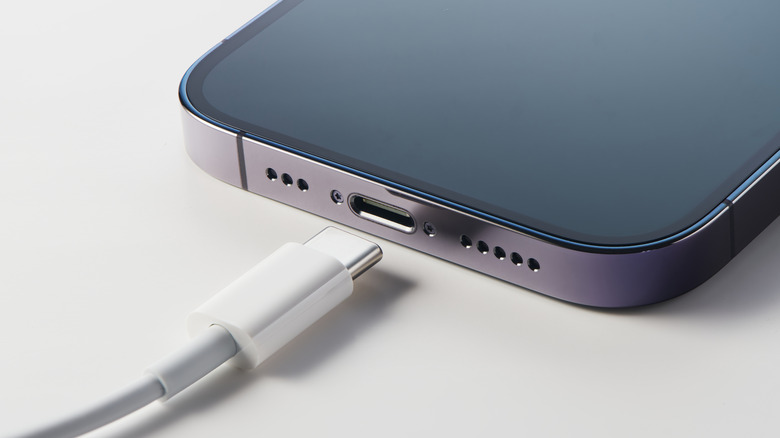
Getting the most out of your iPhone or iPad’s battery is about more than keeping an eye on how much power your apps consume. Your charging speed can also have an effect on your battery’s longevity. A slow charger might be a little better for your battery as it ages, but it also might mean you only gain back a few percentage points of juice while chugging your morning coffee. In the same span of time, a fast charger can get you enough battery to make it through a long commute. Charging your iPhone at its top speed can make all the difference when you only have a few minutes to plug it in before running out the door. 

But in order to charge your devices at their maximum speeds, you have to know what those speeds are. As compared to some competitors, Apple is inconsistent about listing battery specifications on its consumer-facing spec sheets, leaving you to figure it out. And now that the company no longer includes a charging brick in the box, many people are likely using outdated and slow chargers on newer iPhones and iPads. How can you be sure what the fastest charging speed for your device is, and whether your charger is fast enough? To answer that question, we’ll take a look at how battery capacities and charging speeds are measured, how those measurements translate to the latest iPhone and iPad lineups, and how Apple’s included accessories are shortchanging your charging experience.

How iPhone and iPad charging speeds are measured
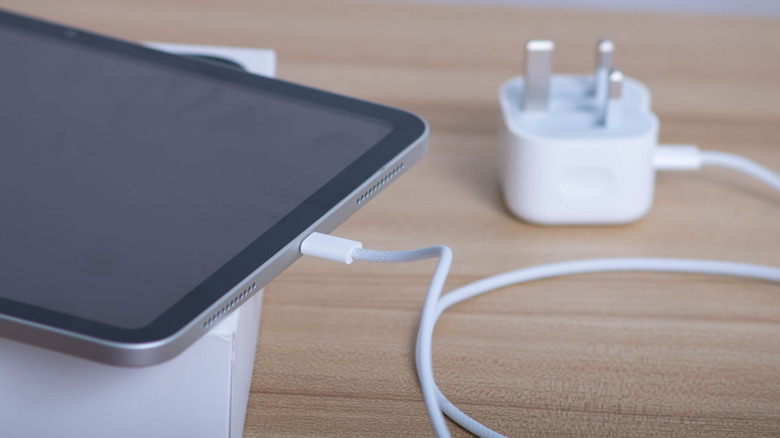
Let’s start with the basics. The battery capacity of a mobile device is measured in milliamp-hours (mAh), which represent the amount of power a battery can deliver in an hour before requiring a recharge. For example, a 1,000mAh cell can deliver 1,000 milliamps for exactly one hour before dying. In the real world, a smartphone battery delivers variable amounts of electricity depending on what it’s being used for, and some devices run more efficiently than others. Even so, 5,000mAh is roughly the median for a large smartphone these days, while tablets tend to come closer to 10,000mAh.

The iPhone 17 Pro Max, Apple’s largest smartphone, has a battery capacity of 5,088mAh, while the base model iPhone 17 relies on a 3,692mAh cell. Meanwhile, the base model iPad 11th Generation has been measured at 7,698mAh, while the beefy, 13-inch M5 iPad Pro packs a 10,290mAh battery into its svelte frame.

Charging speeds are measured in watts. In general, large devices have larger, multi-cell batteries with more room to dissipate heat (and room to include larger cooling systems), allowing them to charge at faster speeds. That’s partially why your MacBook includes a huge charging brick that pumps out 140W, while your iPhone makes do with a dinky charger sputtering along at a fraction of the speed, and AirPods charge at single-digit wattages. Even so, with improved charging technologies such as USB Power Delivery (USB-PD), it is increasingly possible to charge even small devices such as smartphones at increasingly high rates. For example, the OnePlus 15 is a recent Android phone that charges at 120W. With all this in mind, we can now unpack your iPhone or iPad’s top charging speed.

The latest iPhones and iPads charge at between 40 and 60 watts

Apple’s newer iPhones and iPads haven’t made massive strides in charging speeds, though that’s not to say they haven’t improved whatsoever over the years. As of the latest iPhone 17 series, the 17, 17 Pro and 17 Pro Max can all charge at up to 40W, while the iPhone Air tops out at just 20W, one of the tradeoffs necessary to achieve its thin design. However, Apple no longer includes a charger in the box with new iPhones, so customers who want to take advantage of those top speeds must purchase a charger separately. The last time a charger shipped in the box, it was a 5W brick that shipped with the iPhone 11, while 11 Pro owners got an 18W unit. Anyone still hanging onto one of those chargers is getting an incredibly slow charging experience with newer iPhones.

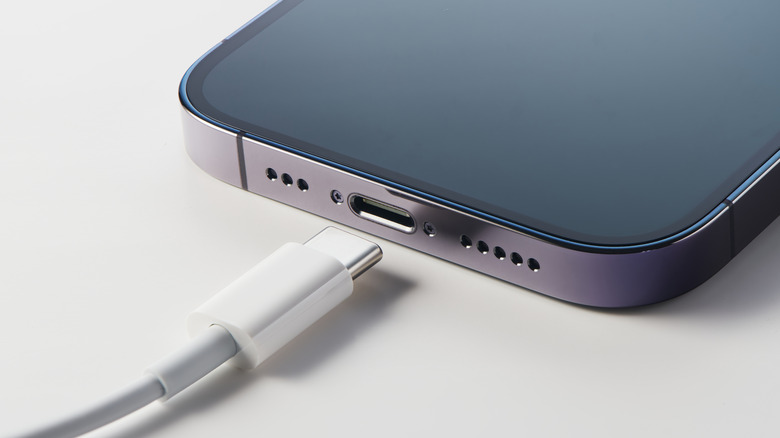
As for iPads, the base model iPad released in 2025 charges at up to a respectable 45W, on par with competing tablets from companies such as Samsung. The latest M5 iPad Pro goes even further, charging at up to 60W. Apple hasn’t yet stopped including chargers with its tablets, but they’re effectively e-waste nonetheless. That’s because all iPads ship with a measly 20W charger, which means a lot of unsuspecting owners are wasting hours of time charging their slates.

Those looking to charge their iPhone or iPad at top speeds should invest in a charger that’s actually capable of delivering them. While Apple offers fast chargers, it’s not the only game in town. Some of the best chargers in 2026 are available from companies such as Anker, Ugreen, Satechi and so on. Whichever brick you choose, ensure that its top speeds are at least equal to those of your phone or tablet.


Source link

Leave a Reply

Subscribe to Our Newsletter

Get our latest articles delivered straight to your inbox. No spam, we promise.

Recent Reviews


Medically reviewed by Robert Burakoff, MD

Drinking herbal tea and winding down with a relaxing activity can help soothe your gut at night.Credit: Drazen Zigic / Getty Images
Drinking herbal tea and winding down with a relaxing activity can help soothe your gut at night.
Credit: Drazen Zigic / Getty Images
  • Small habits in the evening can influence your gut health.
  • Eating a Mediterranean-style dinner, drinking a cup of herbal tea, and taking an after-dinner walk are simple ways to support your gut health in the evening.
  • Stress management, a regular bedtime routine, and getting seven to nine hours of sleep each night help anchor your circadian rhythm, which may keep your gut bacteria balanced.

Gut health is something you can work at improving at all hours of the day. Here are seven simple habits you can do in the evening hours to support gut health.

1. Have a Mediterranean Dinner

Following the basics of the Mediterranean diet at dinner could support your gut health in the evening and beyond. This includes:

  • Fresh fruits and vegetables
  • Legumes
  • Whole grains
  • Poultry
  • Fish
  • Healthy fats, like olive oil

The foods you eat determine the makeup of your gut microbiome, or the system of microorganisms that live in your gastrointestinal tract. Whole foods and minimally processed foods contain nutrients, such as fiber, vitamins, and minerals, that support a balanced gut.

The Mediterranean diet is known for its health benefits, including reduced inflammation and improved overall health. Research also shows that the diet has a positive impact on the gut. People who followed a Mediterranean diet were found to have more microorganisms in their gut compared to people who ate a diet higher in sugar, fat, and salt.

2. Finish Eating 2-3 Hours Before Bed

Eating too close to bedtime could disrupt your sleep and impact gut health. A meal that isn't fully digested can cause unpleasant digestive symptoms, especially if you're prone to indigestion. While there are no rules about when to stop eating before bed, finishing your last full meal two to three hours before bedtime can give your body enough time to digest.

New, early research suggests that eating late at night may negatively affect the gut. The researchers found connections between stress, late-night eating, and bowel issues. Those who had both high stress and late-night eating patterns were 2.5 times more likely to also report bowel problems and have lower gut microbiome diversity.

If you need a snack after dinner, opt for foods that have protein, fiber, or healthy fats, including:

  • Fruits, like berries or kiwi
  • Low-fat yogurt
  • Nuts
  • While grains
  • Fermented foods like kimchi, kefir, or kombucha

3. Take a Walk After Dinner

An evening stroll can have benefits beyond getting in your daily steps. It could also help your body move food through the digestive system.

You don't have to walk for that long, either. In one four-week study, researchers found that a 10-15-minute walk after a meal was more effective than a prokinetic medication for easing bloating and discomfort in adults who regularly experience bloating.

If you can't walk around the neighborhood, even standing up and moving your body around the room could help.

4. Have a Cup of Herbal Tea

Sipping a caffeine-free herbal tea in the evening can be a relaxing ritual. Certain teas, including ginger and peppermint tea, can also help with digestion and ease unpleasant symptoms such as gas and bloating.

Ginger is known for easing stomach discomfort. Drinking ginger tea can help with gas and bloating because ginger reduces constipation and the breakdown of undigested nutrients in the gut. You can buy dried ginger tea in a bag or make it from fresh ginger. It's generally considered safe to drink in moderate amounts daily.

Peppermint can help with cramping and bloating. The tea is made from peppermint leaves and is generally considered safe. One thing to note is that peppermint can also trigger indigestion, so if you're prone to heartburn, it might not be a good choice.

5. Pick a Wind-Down Practice

The brain and gut are connected. Stress affects gut health, and higher stress levels are linked to stomach issues such as nausea, constipation, and diarrhea. When your stress hormones are high, it can lead to increased gut inflammation and potentially an imbalance in gut bacteria.

Choosing a relaxing activity to practice in the evenings could help lower your stress, which can also benefit your gut. Try a mind-body or mental health practice, such as:

  • Meditation
  • Breathing exercises
  • Yoga
  • Journaling
  • Gratitude affirmations

Some evidence suggests that slow, deep breathing has positive impacts on the gut, such as improving symptoms in people with irritable bowel syndrome (IBS).

6. Keep Bedtime Consistent

Having a regular bedtime routine can help you get more consistent sleep, which may also positively affect your gut. Research suggests that changes to your sleep cycle can affect your gut microbiome. Keeping a regular sleep and wake time anchors the circadian rhythm. Even a few days of irregular sleep could impact your gut.

While researchers are still learning about the complex connection between the gut and sleep, it appears as though sleep disturbances can change the gut's makeup and function. Setting a regular bedtime and wake time and sticking to it as closely as possible could benefit your gut health.

7. Get Enough Sleep

Something as simple as regularly getting enough sleep could have a big impact on your gut health. Experts recommend that adults get between seven and nine hours of sleep each night. Sleeping less than seven hours could put you at risk for health issues.

Shorter sleep time can affect the gut microbiome, potentially causing an imbalance that could lead to inflammation and metabolic problems.

The relationship between sleep and your gut seems to work both ways. Just as poor sleep can negatively affect gut health, an unbalanced gut may contribute to sleep troubles. If you're not consistently getting the recommended amount of sleep and aren't able to improve your sleep with at-home habits, it might be worth asking a healthcare provider for help.


Source link