Fact checked by Nick Blackmer
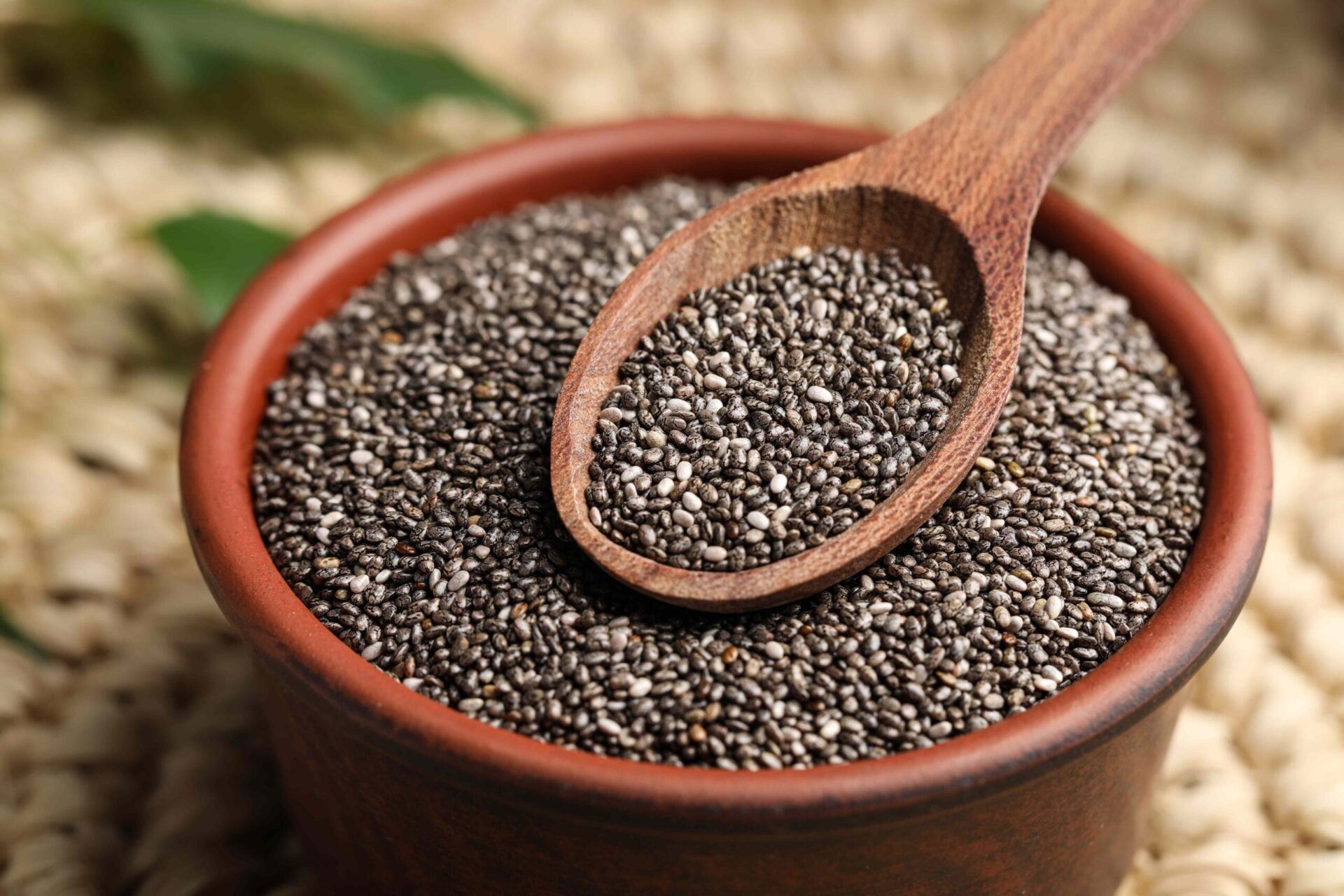
:max_bytes(150000):strip_icc():format(jpeg)/Health-GettyImages-1464237454-974dc0d252f24fb4b689b66c27fffb4b.jpg "A wooden spoon resting in a bowl of chia seeds")
Credit: Liudmila Chernetska / Getty Images
- Most American adults don’t consume as much fiber as they should.
- Chia seeds are a great source of fiber, providing nearly 10 grams per ounce.
- However, you can get more fiber from certain kinds of beans, chickpeas, and more.
Chia seeds pack a solid dose of fiber, with 1 ounce containing 9.8 grams—35% of the recommended Daily Value (DV). But here are five foods that offer even more fiber per serving.
1. Navy Beans

- Fiber content: 19.1 grams per cooked cup (68.2% of the DV)
In addition to fiber, navy beans are also high in protein, providing 15 grams per cup, making them an excellent protein source for those following plant-based diets. Navy beans also provide folate, iron, selenium, and magnesium, a mineral that’s needed for healthy blood sugar and blood pressure regulation.
How to use them: Toss navy beans into soups and stews, or cook them with herbs and seasonings for a flavorful side dish.
2. Lentils

- Fiber content: 15.6 grams per cooked cup (55.7% of the DV)
Lentils are packed with protein, providing just under 18 grams per cup. Protein and fiber help you feel full after eating, making lentils a good choice for weight loss. A cup of lentils covers 90% of your daily needs for folate, a B vitamin that’s needed for red blood cell production and brain function. Folate plays an important role in fetal development, which is why folate-rich foods are especially critical during pregnancy.
How to use them: Add lentils to salads, curries, and soups for an easy way to increase the protein, fiber, vitamin, and mineral content of your favorite meals.
3. Black Beans

- Fiber content: 15 grams per cooked cup (53.6% of the DV)
Health benefits: Beyond fiber, black beans are packed with vitamins and minerals, like magnesium and potassium, which regulate blood pressure levels. Studies show that eating more foods high in potassium and magnesium can help reduce high blood pressure (hypertension) and protect against heart disease.
How to use them: Add black beans to dishes like tacos, burritos, and grain bowls, or use them to make homemade black bean burgers.
4. Avocados

- Fiber content: 13.5 grams per 201-gram avocado (48.2% of the DV)
Avocados are a great source of healthy fats, magnesium, folate, and vitamins E and C. Avocados also provide antioxidants, such as polyphenols, proanthocyanidins, and carotenoids, which reduce inflammation and protect against cellular damage.
How to use them: Add sliced avocados to salads, grain bowls, and even smoothies, or use ripe avocados to make a homemade guacamole.
5. Chickpeas

- Fiber content: 12.5 grams per cooked cup (44.6% of the DV)
Chickpeas are a rich source of nutrients like protein, folate, potassium, magnesium, and zinc, all of which play important roles in health. A cup of chickpeas covers 23% of your daily needs for zinc, a mineral that’s necessary for immune function, cell division, and protein and DNA synthesis.
How to use it: Blend chickpeas, olive oil, tahini, salt, and lemon juice to make a creamy, homemade hummus, or use chickpeas to boost the nutritional value of salads, soups, and grain bowls.
What To Know About Increasing Fiber Intake
Most Americans don't get enough fiber. If you're looking to boost your fiber levels, here are some helpful tips to consider:
- Increase fiber gradually: A sudden increase in fiber can cause stomach upset, like bloating and gas. If your diet is currently low in fiber, it’s suggested to slowly increase your fiber intake over time to reduce the risk of side effects.
- Pair with water: When you increase your fiber intake, it’s important to also increase your water consumption. Fiber absorbs water in the digestive tract, and inadequate water intake may lead to constipation.
- Diversify your fiber sources: There are two types of fiber: soluble and insoluble. Soluble fiber dissolves in water and draws water into stool, making it easier to pass. Insoluble fiber, on the other hand, isn’t broken down by gut bacteria and instead adds bulk to stool, promoting regular bowel movements. In order to ensure you’re getting plenty of both, include a variety of fiber sources in your diet, like chia seeds, beans, nuts, fruits, and vegetables.