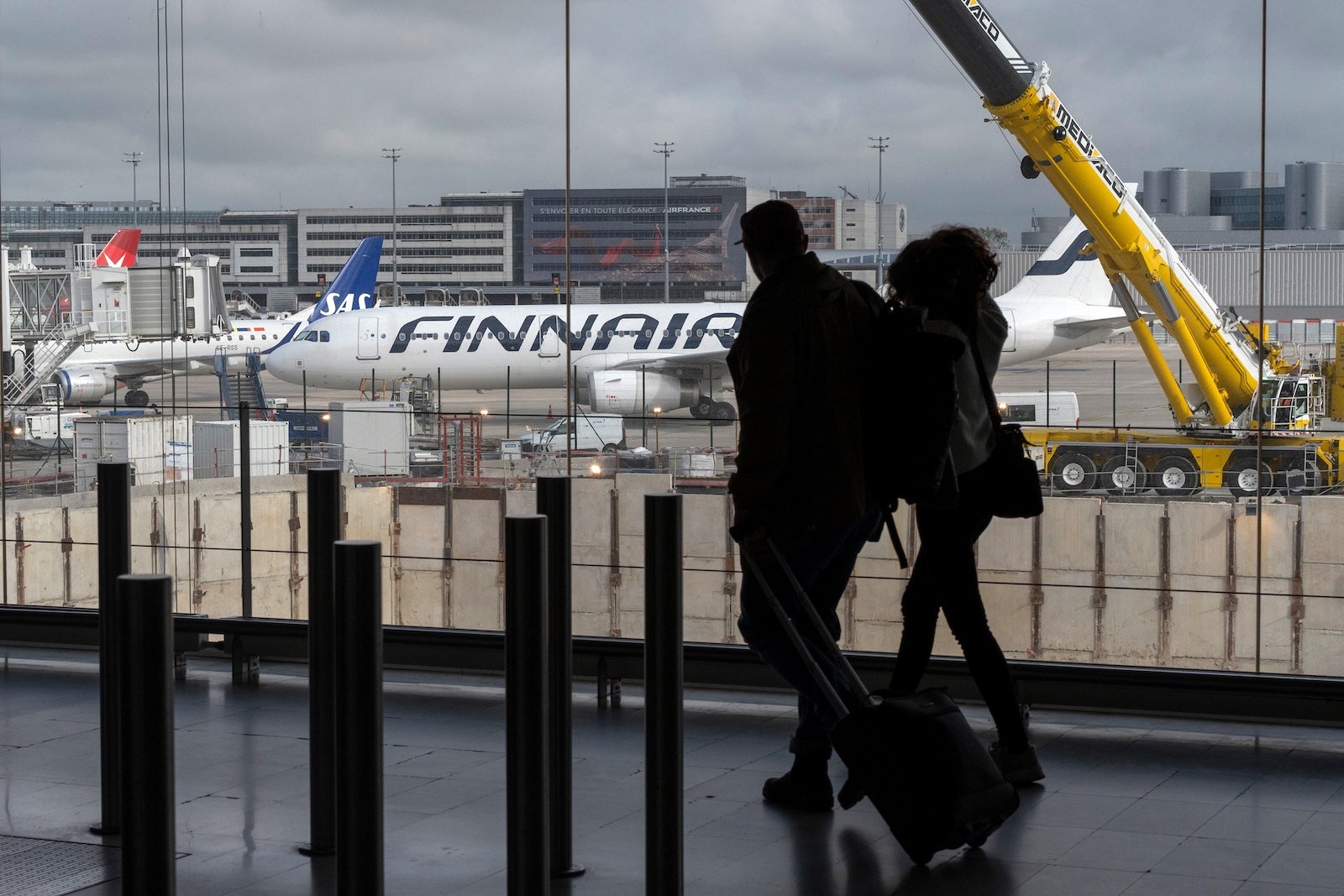

It’s been a nerve-wracking few days for travelers with upcoming trips to Europe, including those planning to make the transatlantic trek for the upcoming summer travel season.
Concerns over a growing shortage of jet fuel on the continent have raised fears about potential flight cancellations if things don’t improve.
This week, European Union leaders said that as of now, there’s no immediate cause for alarm, and airports are seeing “no evidence of actual shortages” yet.
“Nonetheless, we need to be prepared,” Apostolos Tzitzikostas, the EU commissioner for sustainable transport and tourism, said Tuesday at a news conference.
Travelers should be, too.
Which airports could be affected by the European jet fuel shortage?
Fears over airports potentially running out of jet fuel spiked earlier this month, when the head of the International Energy Agency warned Europe had “maybe six weeks or so” of jet fuel left.
Those concerns, of course, came amid a global oil crisis triggered by the conflict in the Middle East — the same oil crunch that has driven up gas prices and triggered major airfare increases worldwide.
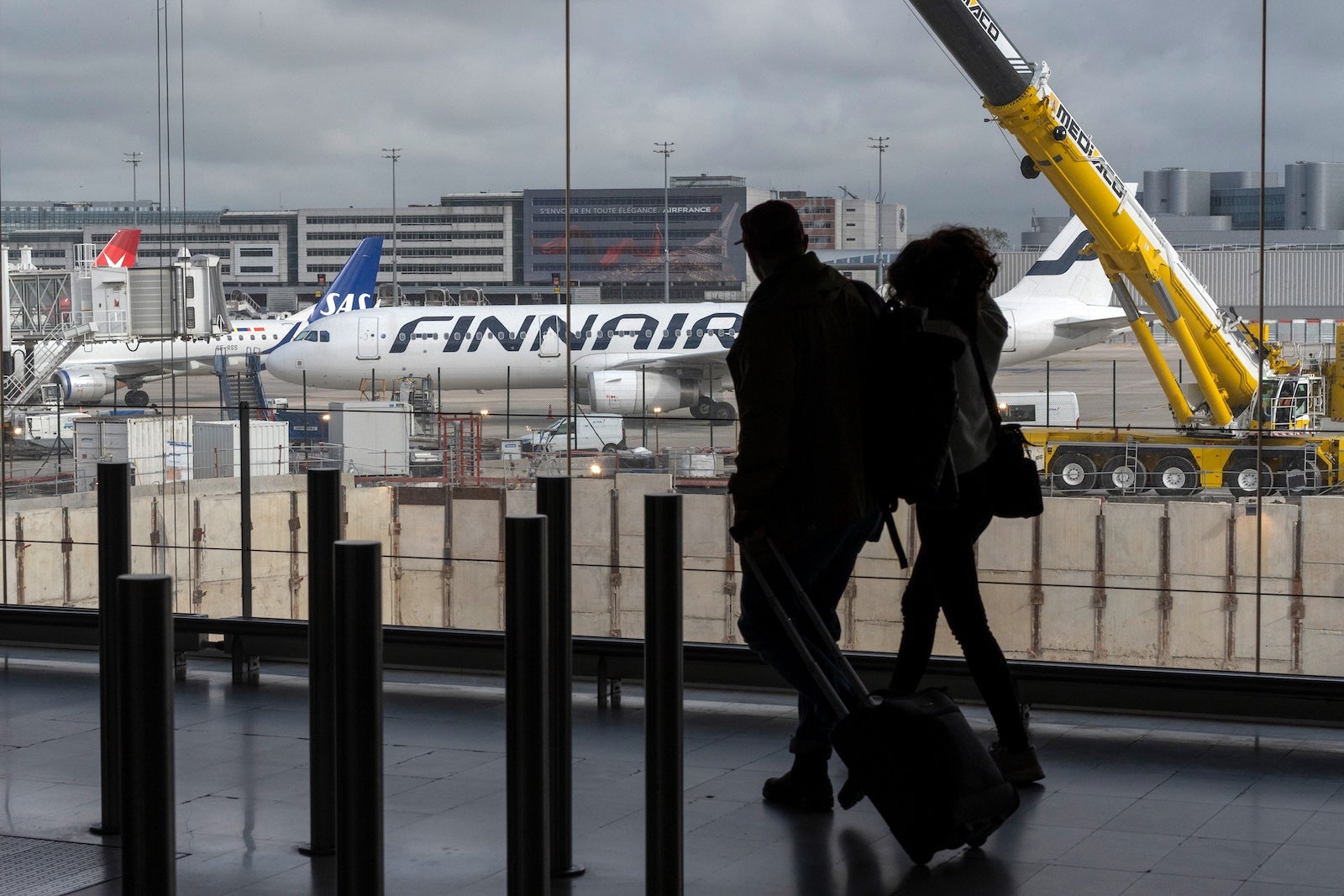
So far, we haven’t seen mass flight cancellations tied to the shortage of jet fuel in Europe.
TPG spoke with experts who predicted flight cutbacks (if they do happen) would likely begin at smaller airports in the region as opposed to major international hubs like Heathrow Airport (LHR) or Paris-Charles de Gaulle Airport (CDG).

Reward your inbox with the TPG Daily newsletter
Join over 700,000 readers for breaking news, in-depth guides and exclusive deals from TPG’s experts
“My bet is that fuel shortages would start at secondary and tertiary airports that don’t have fuel farms while the major hubs would be insulated for a bit longer,” Mike Stengel, principle at the aerospace consultancy AeroDynamic Advisory, said.
For that reason, I’d be less worried about that transoceanic flight on a big twin-aisle plane than I would be about that short-haul flight from one off-the-beaten-path European city to another.
Case in point: I just booked a June trip to Europe. My concern about the Aer Lingus flight across the Atlantic from Washington, D.C., to Dublin is low. I’ll be keeping a closer eye on the short jaunt from Split, Croatia, to Copenhagen.
Tips for navigating European travel
If you’re planning to “hop around” Europe in the coming months, I’d build some buffer time into your itinerary and keep an eye out for backup flight options. Or, you can opt to take the train instead.
Also, consider booking flexible hotel stays (that aren’t prepaid) to avoid losing your deposit if your itinerary gets off track — though you’ll still have to watch for reservations with fees if you cancel at the last minute. You can also typically accomplish the most flexibile rules by booking your reservations with points.
Backup plans in motion
Should the global oil shortfall not improve in soon, EU leaders said they’d plan to tap the region’s emergency jet fuel reserves.
Tzitzikostas said the EU was already working on securing an “alternative jet fuel supply” for Europe, including from the U.S.
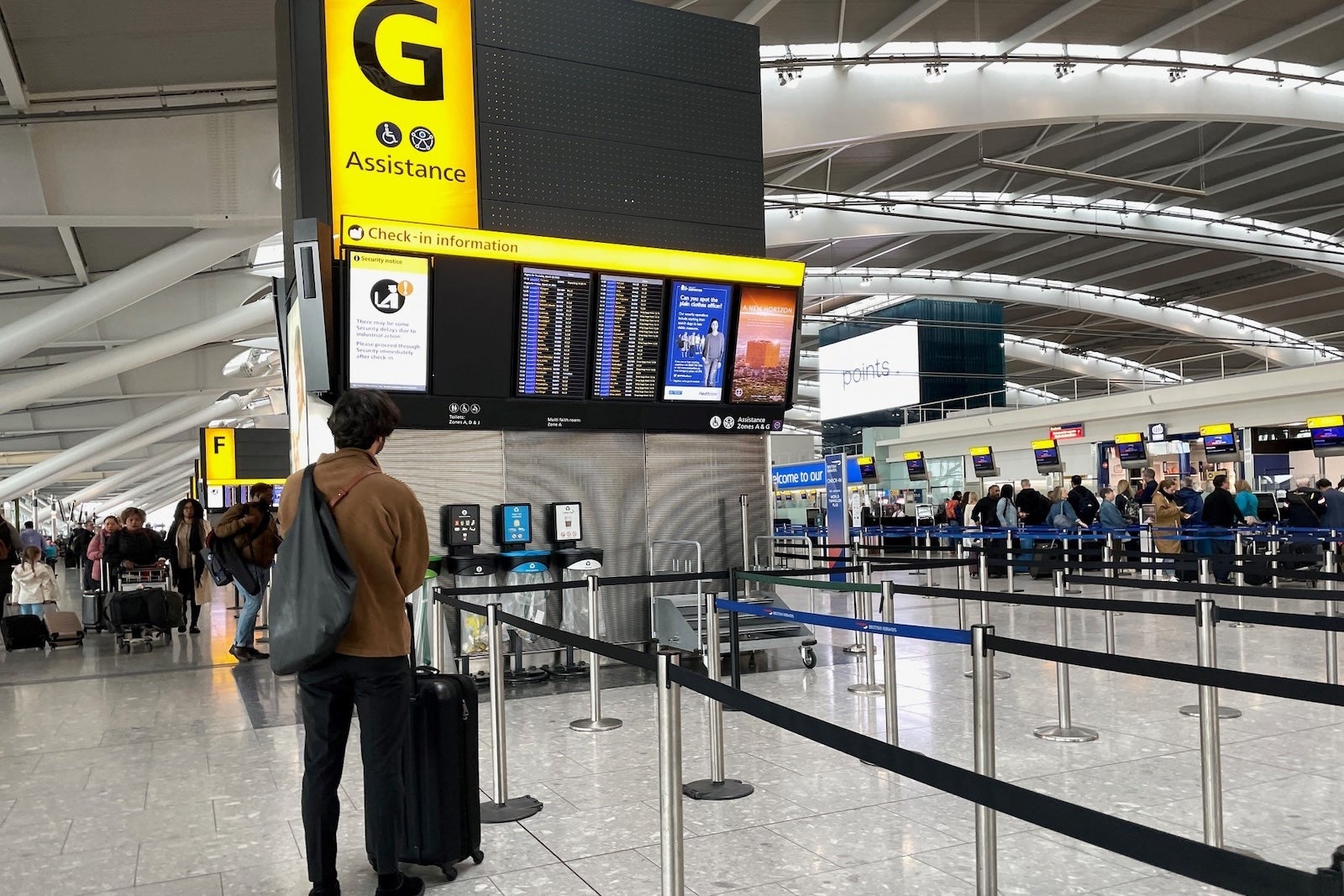
“Airlines may also have some tools at their disposal like tankering fuel — where they would carry more fuel than needed for a given flight — so they can transport it to their hubs in an effort to relieve supply constraints,” Stengel told TPG. Although, he was also quick to point out: “It’s a fluid situation, and we’ll have to see how things play out in the coming days and weeks.”
Have flight cancellations begun in Europe?
Airlines have already begun cutting flights, to be sure. But those cancellations have largely been tied to the sky-high price of jet fuel.
Most notably, Lufthansa Group announced more than 20,000 cancellations between now and October across its key hubs in Frankfurt, Munich, Zurich, Vienna, Brussels and Rome.
That included shuttering its CityLine subsidiary, as TPG previously reported. Lufthansa Group is the parent company of a host of European airline brands, including Lufthansa, Swiss, Brussels Airlines, Austrian Airlines and ITA.

Those cuts to “unprofitable routes” were primarily finance-driven, though the company did point out those cancellations would save 40,000 metric tons (about 10.5 million gallons) of jet fuel.
Cancellations through May 31 have already been announced, with the rest to be revealed by the end of this month.
Bottom line
Unfortunately, we may see more flights affected if the oil supply chain bottleneck doesn’t ease soon.
You can read more of our tips about navigating European travel during this crisis here, including our thoughts on passenger rights and travel insurance.
Related reading:

Stacie Harris is a local resident and reporter of the Maple Grove area. Stacie reports on medicine and science for the Maple Grove Report.




 The requests are sent by the web browser to the web server. The web server will pass the request to the application server, which will generate the SQL to be executed in the database.