5 Dietitian-Backed Tips to Improve Your Gut Health in 30 Days


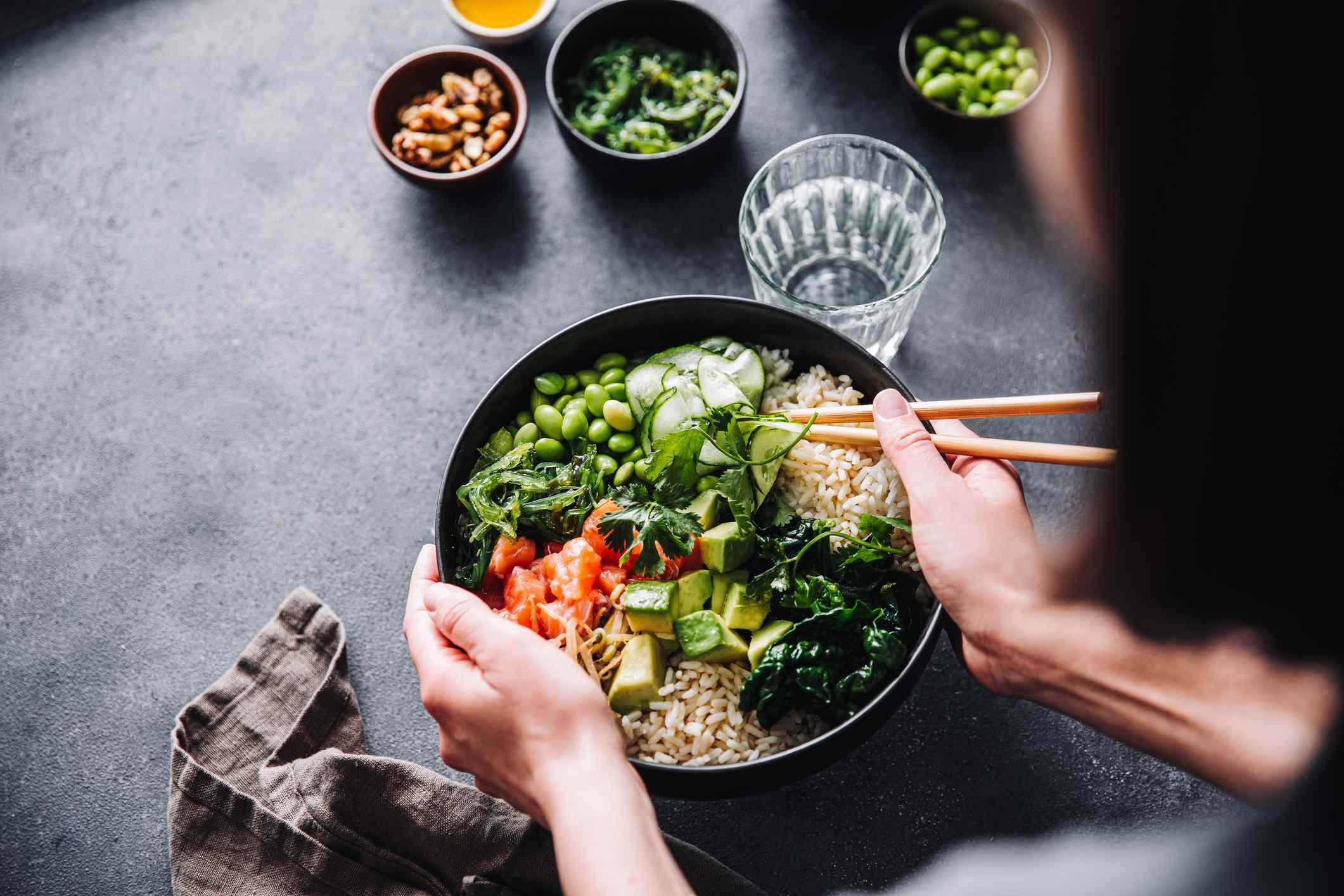
Credit: alvarez / Getty Images
  • Increasing fiber supports gut bacteria, improves bowel regularity, and helps protect against digestive diseases.
  • Staying hydrated and exercising regularly helps keep digestion moving and reduces the risk of issues like constipation and colon cancer.
  • A nutrient-dense diet and targeted supplements can improve gut balance, but medical guidance is important for persistent symptoms.

If you’re dealing with gut issues such as bloating, gas, constipation, or diarrhea, you may be interested in improving your digestive health as quickly as possible. While getting to the root cause of your gut issues by visiting a healthcare provider is essential, there are several evidence-based lifestyle and diet changes you can make right now to support your gut. Here are five tips to improve your gut health in just 30 days. 

1. Increase Your Fiber Intake

Increasing your fiber intake is one of the easiest ways to support overall digestive health. 

Fiber plays multiple roles in gut health, including fueling the growth of beneficial bacteria in your large intestine and supporting regular, comfortable bowel movements. Increasing your fiber intake can also stimulate the production of short-chain fatty acids (SCFAs). SCFAs are released by certain gut bacteria after breaking down fiber. They act as fuel for the cells lining the large intestine, maintain the integrity of the intestinal barrier, and regulate inflammation in the gut.

Studies show that adding more fiber to your diet could help reduce constipation and protect against common digestive conditions, such as irritable bowel syndrome (IBS), colon cancer, and inflammatory bowel disease (IBD).

Try to get at least 28 grams of fiber per day by incorporating fiber-rich foods like beans, chia seeds, berries, and avocado.

2. Stay Hydrated

Your water intake impacts your gut health more than you think. Your gut depends on consistent liquid intake to keep stools soft and passable. 

Water is also essential for breaking down and absorbing nutrients. If you’re dehydrated, you’ll likely experience symptoms such as hard or difficult-to-pass stools, infrequent bowel movements, and even hemorrhoids.

Additionally, research shows that proper hydration is crucial for maintaining a healthy and balanced gut microbiome.

Try increasing your water intake by taking regular water breaks at work or investing in a larger water bottle and filling it throughout the day. The National Academy of Medicine recommends a total daily water intake from beverages and foods of about 13 8-ounce cups for men and nine 8-ounce cups for women.

3. Exercise

If you lead a sedentary lifestyle, it could be negatively impacting your gut health. Studies show that people who aren’t active are more likely to experience gut issues, like constipation and IBS. A sedentary lifestyle is also considered a major risk factor for colon cancer

Studies suggest that regular exercise significantly reduces the risk of colon cancer by about 24% in men and 23% in women.

Physical activity can help reduce the risk of gut issues by stimulating intestinal activity, promoting stool movement through the digestive tract, and reducing inflammation.

If you currently don’t get a lot of physical activity, try to slowly incorporate exercise into your daily routine.

4. Improve Overall Diet Quality

In addition to increasing fiber intake, adding more nutrient-dense, gut-healthy foods to your diet can improve and protect digestive health. 

Fermented foods rich in probiotics, like kimchi, sauerkraut, and yogurt, as well as foods high in anti-inflammatory compounds, like fruits and vegetables, promote an overall healthy gut environment by improving gut bacteria diversity and lowering inflammation. 

While increasing your intake of nutrient-dense foods supports gut health, it’s equally important to limit foods that can harm digestion when consumed regularly. For example, added sugars, ultra-processed foods, and red and processed meats. 

5. Consider Evidence-Based Supplements

Though dietary changes play the biggest role in supporting gut health, certain supplements can provide relief from common gut ailments while protecting intestinal health. 

For example, fiber supplements, such as psyllium husk powder, can be effective in reducing constipation symptoms and improving gut bacterial balance. Psyllium husk supplements are relatively affordable, making them an effective choice for those looking for a budget-friendly way to support their gut.

Taking probiotics may be worthwhile for some people who struggle with digestive issues. For example, certain probiotic supplements may benefit people with conditions like IBS, IBD, and constipation.

However, it’s best to consult a healthcare provider before starting any gut health supplements, especially if you’re experiencing gastrointestinal symptoms or have a diagnosed condition.




Source link

Leave a Reply

Subscribe to Our Newsletter

Get our latest articles delivered straight to your inbox. No spam, we promise.

Recent Reviews


Medically reviewed by Kierra Brown, RD

Canned sardines and anchovies are high in protein and healthy fats, plus they have a long shelf life.Credit: Design by Health; Getty Images
Canned sardines and anchovies are high in protein and healthy fats, plus they have a long shelf life.
Credit: Design by Health; Getty Images
  • The nutritional profiles of anchovies and sardines are very similar.
  • Compared to sardines, anchovies contain slightly more protein and omega-3 healthy fats.
  • However, sardines have higher concentrations of many vitamins and minerals, and usually have less added sodium.

Anchovies and sardines are both small, oily fish that are usually canned or jarred. Despite their similarities, anchovies and sardines do have some nutritional differences when it comes to protein, healthy fats, and micronutrient content.

Which Small Fish Has More Protein?

 While both fish are excellent sources of lean protein, anchovies have a slight edge:

  • Sardines, canned in oil: 6.97 grams in a 1-ounce serving
  • Anchovies, canned in oil: 8.19 grams in a 1-ounce serving

The amount of protein your body needs depends on a number of factors, including age, health status, and physical activity levels.

Healthy adults should consume 1.2-1.6 grams of protein per kilogram of body weight, according to updated federal dietary guidelines.

For example, if someone weighs 70 kilograms (or 155 pounds), they may want to consume at least 84 grams of protein every day. A 1-ounce serving of anchovies canned in oil would get them about 10% of the way toward that daily protein goal.

Protein is critical for cell development and repair, contributing to physical growth and development.

Is One a Better Source of Healthy Fats Like Omega-3s?

When it comes to healthy fats in general, sardines come out on top:

  • Sardines, canned in oil: 2.56 grams of unsaturated fat in a 1-ounce serving
  • Anchovies, canned in oil: 1.8 grams of unsaturated fat in a 1-ounce serving

But if you're looking to boost your levels of omega-3 fatty acids—a specific type of healthy unsaturated fat—anchovies are the better choice. A 1-ounce serving contains 594 milligrams of omega-3s, while the same amount of sardines has 278 milligrams.

Consuming more omega-3s and healthy fats in general may benefit multiple different aspects of your health:

  • Heart health: Omega-3s help reduce levels of triglycerides, or fats in the blood; high triglyceride levels are a risk factor for heart disease and stroke. In general, research has shown that eating unsaturated fats in place of saturated fats—the kind found in full-fat dairy, red meat, and tropical oils—reduces your risk of heart disease.
  • Brain health and cognitive function: Some research suggests that insufficient levels of omega-3s may increase the risk of brain health concerns, including Parkinson's disease, schizophrenia, attention deficit hyperactivity disorder (ADHD), and depression. Another study found that omega-3 supplements could improve mild cognitive impairment, a condition that causes memory and thinking issues that can develop into dementia.
  • Eye health: In some studies, people who ate fatty fish (and more omega-3s) had a lower risk of age-related macular degeneration, a condition that can blur vision. Similarly, there's evidence that diets higher in omega-3s could reduce the risk of dry eye disease. However, more research is needed.

How Do They Compare for Vitamin and Mineral Content?

Along with protein and healthy fats, sardines and anchovies are packed with essential micronutrients. However, they contain different amounts of these key vitamins and minerals:

  • Vitamin B12: Sardines have about 10 times more vitamin B12 than anchovies. This B vitamin supports nerve cell function, red blood cell formation, metabolism, and the creation of DNA.
  • Vitamin D: One sardine has the vitamin D content of about eight anchovies. Vitamin D helps the body absorb calcium and supports bone maintenance and growth.
  • Iron: As compared to sardines, anchovies contain about 60% more iron. This mineral helps form red blood cells, supports muscle and tissue function, and more.
  • Phosphorus: Sardines are nearly twice as rich in phosphorous than anchovies are. In fact, a 1-ounce serving of sardines contains about 20% of the daily recommended intake for adults. Phosphorus is key in creating structures in the body, including teeth, DNA, and cell membranes.
  • Calcium: As compared to anchovies, sardines are a better source of calcium, a mineral which helps support and maintain bone health.

Comparing Sardines and Anchovies

Nutritional content always varies based on packaging and other factors, but here's how a typical 1-ounce serving of anchovies compares to a 1-ounce serving of sardines:

Sardines, canned in oil Anchovies, canned in oil
Calories 59 60
Protein 6.97 grams (g) 8.10 g
Total fat 3.23 g 2.75 g
Carbohydrates 0 g 0 g
Calcium 108 milligrams (mg) 65.8 mg
Iron 0.828 mg 1.31 mg
Magnesium 11.1 mg 19.6 mg
Phosphorus 139 mg 71.4 mg
Potassium 113 mg 154 mg
Selenium 14.9 micrograms (mcg) 19.3 mcg
Sodium 87 mg 1,040 mg
Zinc 0.371 mg 0.692 mg
Vitamin B12 2.53 mcg 0.249 mcg
Vitamin D 1.36 mcg 0.482 mcg

In addition to their relatively similar nutritional profiles, sardines and anchovies share many other commonalities.

Both are considered forage fish, and they're often eaten by larger fish or marine mammals. Sardines are a bit bigger—they're 4-12 inches while anchovies are usually 7-8 inches—but both species' relative small size and low position on the food chain ensures they have low mercury levels.

Once they're harvested, anchovies and sardines are usually jarred or canned in water or oil to make them shelf stable. One difference is that canned anchovies are often salt-cured—this gives them a pink color and a salty flavor (as well as high amounts of sodium).

What To Know Before Adding These Small Fish to Your Diet

Anchovies and sardines aren't naturally high in sodium (or salt), but jarred or canned versions often have a lot of salt added.

For instance, a 1-ounce serving of anchovies canned in oil contains 1,040 milligrams of sodium, which is 45% of the recommended daily limit for adults.

Diets high in sodium raise your risk of developing high blood pressure, heart diseases, artery diseases, heart attack, and stroke.

When purchasing canned fish, check the nutrition label and try to find a product that has lower amounts of sodium.

Sardines and anchovies also usually contain bones. The canning process makes these bones safe to eat, though young children and people with swallowing concerns may want to avoid them.


Source link