:max_bytes(150000):strip_icc():format(jpeg)/Health-GettyImages-2273640204-887899b2a9a94948976fb42ee7ce19b0.jpg "Various jars of preserved foods displayed on a wooden surface")
Credit: Olga Yastremska / Getty Images
At a Glance
- Canned vegetables can be just as nutritious as fresh and are often more convenient to keep on hand.
- Canned vegetables save prep time, last longer, and can help reduce food waste at home.
- Choose low-sodium or no-salt-added canned vegetables, and rinse them to further reduce sodium.
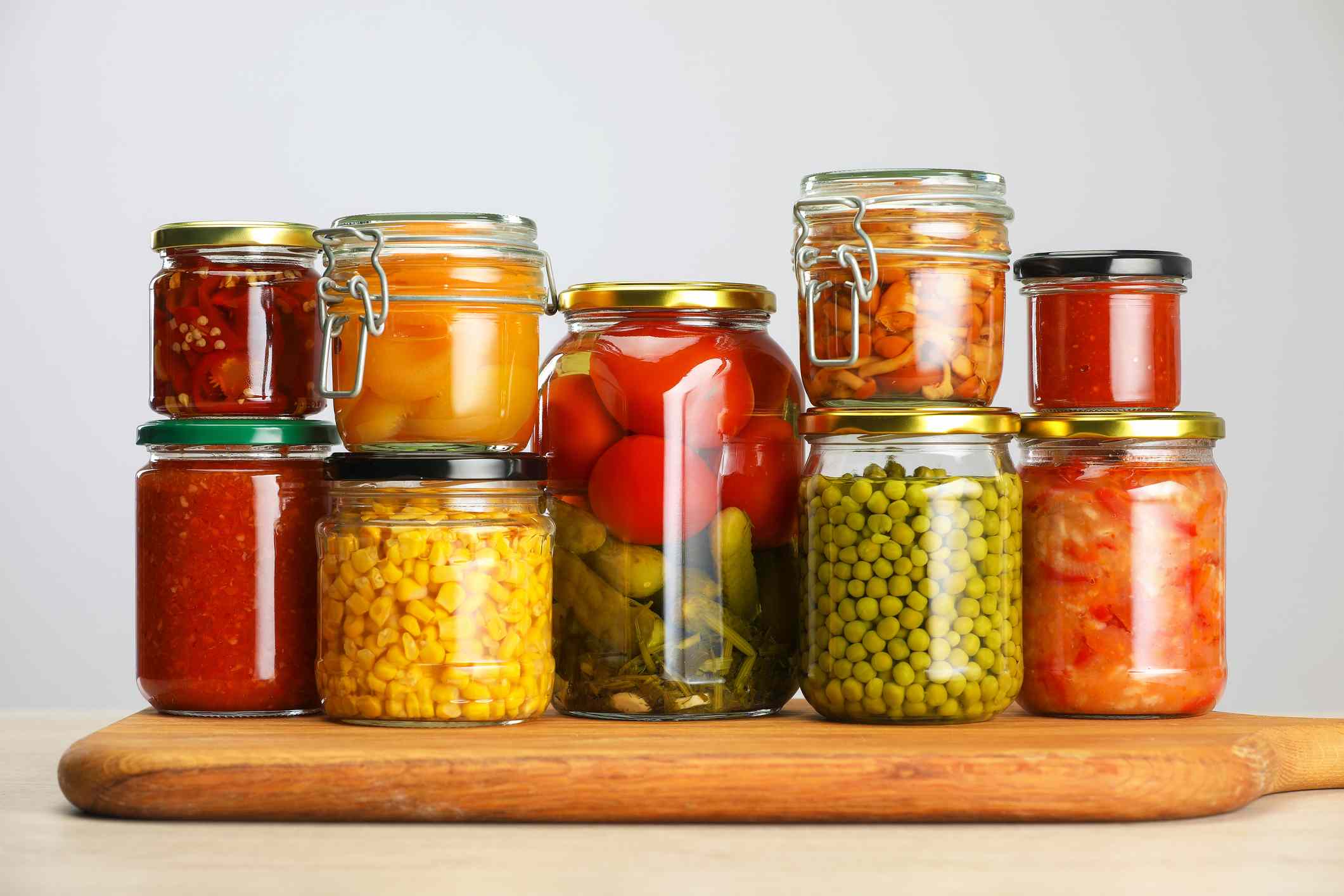
Canned vegetables can be just as nutritious and sometimes more practical than fresh produce. In some cases, canned vegetables offer better convenience, longer shelf life, and nutrients that are easier to absorb, making them a smart staple to keep on hand.
1. Tomatoes

Canned tomatoes are one of the clearest examples of a vegetable that may offer more nutritional benefits than fresh ones. The heating process used during canning increases the availability of lycopene, a powerful antioxidant linked to heart health and a lower risk of certain cancers.
While fresh tomatoes still contain lycopene, the body absorbs it more efficiently from cooked and canned products.
Canned tomatoes are also picked and processed at their peak ripeness, which helps preserve flavor and nutrients. During the off-season, fresh tomatoes can taste bland and may lose nutrients during transportation and storage. Keeping canned diced tomatoes, crushed tomatoes, or tomato paste in the pantry makes it easier to build flavorful soups, sauces, stews, and casseroles without worrying about spoilage.
2. Pumpkin

Fresh pumpkin can be time-consuming to prepare, which is why canned pumpkin is often the more practical option. Pure canned pumpkin delivers fiber, vitamin A (supports eye health and immune function), potassium (helps control blood pressure), and disease-fighting antioxidants in a ready-to-use form.
Because canned pumpkin is cooked before packaging, it also has a smoother texture and more concentrated flavor than many fresh varieties. It works well in soups, oatmeal, smoothies, muffins, pancakes, and pasta sauces. When shopping, choose plain canned pumpkin rather than pumpkin pie filling, which often contains added sugar and spices.
3. Beets

Fresh beets require peeling, chopping, and a relatively long cooking time. Canned beets offer many of the same nutrients, including folate (supports cell growth), potassium, and nitrates (natural compounds that help improve blood flow), but with far less prep work.
Since canned beets are already cooked and softened, they can easily be added to salads, grain bowls, wraps, or blended into dips. Their longer shelf life also helps reduce food waste, especially for people who do not use beets regularly enough to justify buying fresh bunches.
4. Corn

Canned corn is often processed soon after harvest, helping preserve both flavor and nutrients. While fresh corn is delicious in summer, canned corn can be more consistent year-round and requires no husking, cutting, or cooking.
Corn provides fiber, B vitamins (help turn food into energy and support nerve function), and antioxidants like lutein and zeaxanthin, which support eye health. Canned corn also makes it easier to add vegetables to quick meals such as tacos, soups, salads, casseroles, and skillet dinners. Choosing varieties labeled “no salt added” can help keep sodium levels in check.
5. Green Beans

Fresh green beans tend to lose quality relatively quickly in the refrigerator. Canned green beans eliminate that problem while still providing nutrients like vitamin K (supports bone health and blood clotting) and fiber.
Although canned green beans have a softer texture than fresh ones, they can work well in soups, casseroles, and side dishes. They also require no trimming or steaming, making them especially convenient for busy weeknights. Rinsing canned green beans before eating can reduce some of the sodium commonly used in preservation.
6. Artichokes

Whole fresh artichokes can be harder to find and require significant trimming and cooking time before the edible portions are ready. Canned artichoke hearts make this vegetable much easier to enjoy regularly.
Artichokes are rich in fiber and contain compounds like cynarin and other plant antioxidants. These may support digestion by helping the body break down fats and supporting normal liver function. Canned versions are already cooked and tender, making them simple to add to pasta dishes, salads, pizzas, dips, or grain bowls. Water-packed varieties are typically the best choice when looking to limit excess sodium or oil.
7. Peas

Fresh peas have a very short season and begin losing sweetness soon after harvest. Canned peas offer a convenient alternative that still provides fiber, plant-based protein, and vitamins such as vitamin C (which supports immune health) and folate.
They work well in soups, pot pies, rice dishes, and pasta salads. Because they are inexpensive and shelf-stable, canned peas can also make it easier to keep vegetables on hand for quick meals without frequent trips to the grocery store.
8. Spinach

Fresh spinach dramatically shrinks during cooking, meaning it takes a large volume to produce even a small serving. Canned spinach offers a concentrated source of nutrients like iron (helps carry oxygen through the body), folate, and vitamin K in a ready-to-use form.
Like canned tomatoes, the cooking process may also make certain nutrients easier to absorb. Cooking spinach helps reduce oxalates, naturally occurring compounds that can interfere with the absorption of minerals like iron and calcium. Canned spinach works well cooked into soups, pasta sauces, egg dishes, and casseroles. Since spinach can naturally have an earthy flavor, seasoning it with garlic, lemon juice, or herbs can help improve taste and texture.
How To Choose the Healthiest Canned Vegetables
Some canned vegetables can be high in salt, since sodium is commonly used during preservation. When possible, look for options labeled "no salt added" or "low sodium." Rinsing canned vegetables under water can further reduce sodium content.
It is also helpful to check ingredient lists and choose products with minimal additives. Vegetables packed in water are generally a better choice than those packed in heavy sauces or syrups, which often add sugar, sodium, and calories.
While fresh produce certainly has benefits, canned vegetables can make healthy eating more affordable, accessible, and realistic. Stocking a mix of fresh, frozen, and canned vegetables can help ensure nutritious options are always within reach.