Halsey and Avan Jogia are enjoying some time in the spotlight during a trip to the 2026 Cannes Film Festival.
The longtime couple, who are engaged, stepped out for the premiere of the movie Her Private Hell on Monday night (May 18) in Cannes, France.
Halsey and Avan have been at the festival to put their upcoming movie on the sales market.
Halsey and Avan are teaming up for the upcoming movie Replacer, which is being described as a “psycho-sexual horror.”
Halsey will star in the movie, which she co-wrote with Avan. He is going to direct the film, according to Deadline.
Stranded in Montreal, Proxy (Halsey), a troubled DJ, meets an alluring artist and his group of friends who run an underground radio station. The station’s broadcast becomes warped by a mysterious signal hidden deep beneath the city’s subway system. Proxy must escape before the sound turns her, and her new friends, into something raw, primal, and unrecognizable.
Avan said in a statement, “Replacer is a bright and electric club horror mashed together with a vulnerable romantic story about belonging and community. Come together. Leave as one.”
The Matrix co-director Lilly Wachowski is signed on as an executive producer.
Lilly said, “Avan and Halsey’s script is a surreal hyper-dive into a twitchy, conspiratorial genre mashing snarl of horror/thriller/comedy, set against the grit and grime of a rarely glimpsed Montreal subculture. This thing is packed! I have the sense that Avan’s eyeballs have gulped down a steady diet of the films I grew up on — David Cronenberg, Alex Cox, Tony Scott, John Carpenter. Anarchists United is beyond excited to join the Replacer team and bring this super cool story to the screen!”
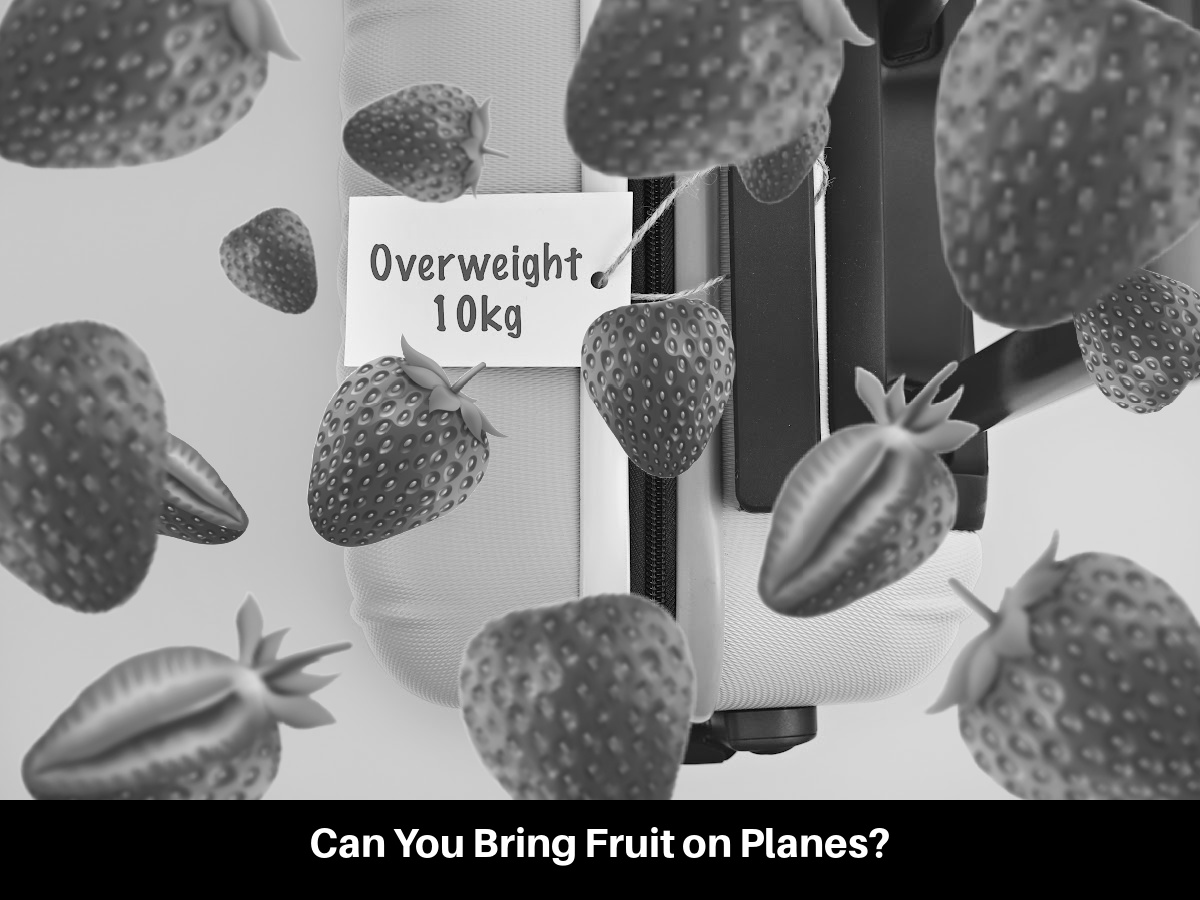
On most domestic flights, you’re allowed to bring fresh fruit in hand and checked baggage. This includes apples, bananas, pears, mangos, and other common fruit. They’re allowed even if they contain a lot of water, as is the case with melons and watermelons. Frozen or cut fruit (for example, fruit salad or fruit cups) are also allowed.
You’re also allowed to eat them during the flight. In fact, some airlines even don’t count Tupperware containers with snacks towards the hand luggage allowance. This allows you to prepare snacks and fruits for your flight and not worry about the size limits for hand luggage.
Some fruit products are considered liquids, including fruit juices, jams, applesauce, and canned fruit. If packed in hand luggage, they must be in 3.4 oz (100 ml) containers or smaller and packed together with other liquids inside a 1-quart bag. Larger volumes are only allowed in checked bags.
It’s also worth noting that each security officer always has the final say on whether fruits are allowed. If they classify them as liquid because they contain too much liquid inside, you’ll most likely have to discard them at the security checkpoint.
I’ve never experienced any issues when traveling with fresh fruit. Nobody bats an eye when I bring them through security. People only start to notice them upon landing – when going through Customs and Immigration.
Traveling With Fruit Internationally
On most international flights, fresh fruits are banned from hand and checked baggage. The reasoning for this is that they may contain diseases, pests, or they themselves may be an invasive species. Each country wants to protect its ecosystems and agriculture from these risks, which is why transferring fresh fruit, meat, plants, soil, milk, and eggs, is prohibited.
This is enforced by Customs and Immigration – a checkpoint that you’ll have to go through upon landing after an international flight. Over there, they’ll ask you questions about your baggage, may ask you to fill out a form, and inspect your baggage. Any fresh fruit will most likely be confiscated and discarded.
This also applies to some domestic flights in the US. When flying to or from Hawaii, Puerto Rico, or the US Virgin Islands, most fresh fruit are prohibited. That’s because although technically they’re in the same country, they’re all islands with different, fragile ecosystems.
One exception is flights between Europe, the UK, and the EU economic zone. Fresh fruit are allowed on these flights if they originate in the EU, UK, or the EU economic zone. Another one is on flights between the US and Canada. Most common fruits are allowed there.
Dried and processed fruit don’t count towards these restrictions – they’re usually allowed even on international flights. This also includes roasted nuts, homemade food, granola bars, potato chips, and other processed items.
If you want to transfer fruit internationally (and if it’s prohibited), you’ll need to get a special document called Phytosanitary Certificate. Then you will need to apply to the Customs agency of the country you want to import it to and get approval.
How to Pack Fruit for Air Travel
For traveling, a good idea is to bring firm fruits that can’t get squished very easily. Some examples include apples, bananas, oranges, pears, grapes, mango, kiwi, and others.
For consumption during the flight, you should pre-cut them ahead so that you don’t make a mess. You can place them inside a foldable Tupperware container, which you can wash and pack in your bag when finished. Another idea is to pack them in disposable containers (from ice cream, store-bought berries, etc.), which you can throw out when done. But before packing it in your bag, put it inside a bag because liquids from fruit may spill from the container.
Remember that you’ll have to remove this container from your bag when going through security and place it in a separate bin. They ask to do this because food tends to clutter the X-ray scanners. So make sure to pack it somewhere on top, where it’s easily accessible.
Summing Up – Traveling With Fruit
Fresh fruits are some of the best snacks that you can take on a plane. They contain a lot of Glucose which will boost your energy, they’re healthy, and they taste good. Just be sure to finish eating them during the flight because they spoil quickly. If not, they’ll most likely be confiscated by the Customs agents upon landing.
To provide the best experiences, we use technologies like cookies to store and/or access device information. Consenting to these technologies will allow us to process data such as browsing behavior or unique IDs on this site. Not consenting or withdrawing consent, may adversely affect certain features and functions.
Functional
Always active
The technical storage or access is strictly necessary for the legitimate purpose of enabling the use of a specific service explicitly requested by the subscriber or user, or for the sole purpose of carrying out the transmission of a communication over an electronic communications network.
Preferences
The technical storage or access is necessary for the legitimate purpose of storing preferences that are not requested by the subscriber or user.
Statistics
The technical storage or access that is used exclusively for statistical purposes.The technical storage or access that is used exclusively for anonymous statistical purposes. Without a subpoena, voluntary compliance on the part of your Internet Service Provider, or additional records from a third party, information stored or retrieved for this purpose alone cannot usually be used to identify you.
Marketing
The technical storage or access is required to create user profiles to send advertising, or to track the user on a website or across several websites for similar marketing purposes.