Google Photos’ New AI Tool Will Help You Picture Yourself in All Your Clothes


Just last night, I was scrolling through endless Pinterest boards and online sites to find a dress for my best friend’s engagement party. I was deep into scrolling before deciding to just wear something I already have. So I went to my Photos app on my phone and started scrolling to see what formal outfits I’ve worn in the past for inspiration. 

AI Atlas

If you find yourself doing this often (I do it at least once a week), a new Google Photos AI feature might help with this by cataloging the clothes you’re wearing in photos saved to the app. From there, it will organize your clothes into a digital collection, so you can style, mix and match and try on clothes virtually. 

The Google Photos wardrobe feature is rolling out this summer, first to Android and then iOS.

How Google’s AI-driven wardrobe feature works

The wardrobe feature uses AI to scan the photos in your camera roll to create a digital closet based on pieces you’ve worn in the past. With this saved collection, you can filter by category, such as “jewelry” or “tops” to find that one particular item. 

Google also seems to be taking a page from Pinterest with the ability to create digital mood boards. Rather than pulling out your entire closet and trying on 10-plus outfits that you send to your friends to see what they like best, you can use the wardrobe feature to mix and match items into outfit ideas that you can then save to a shareable mood board. You can save these mood boards for different categories or occasions, like “wedding guest” or “work outfits.” 

With the wardrobe feature, you’ll also be able to “try on” clothes virtually to save time getting dressed. You can select clothing items saved in your collection, then click “Try it on” for a preview of how it will look on your body. Something to keep in mind is that the AI doesn’t really know what size clothes are or how they’re cut, so it’s at best a rough approximation of how any particular article will fit on a particular person.

Last year, Google released an AI-powered try-on feature in Search. But that feature was only for clothing you were shopping for and did not already own. The technology works by having an AI image generation model like Nano Banana to generate a guess at what you might look like in those clothes. Google said it won’t use the images you upload for the try-on feature for AI training, use it for other Google services or sell it to third parties. 

CNET’s Abrar Al-Heeti tested the Search try-on feature last year and found it would, in fact, generate bare arms to show off a sleeveless dress. A similar feature on the Samsung Galaxy S26 and Google’s Pixel phones, called “Find the Look,” adds this function to Circle to Search. That means you can take a screenshot or a photo and get an idea of what you might look like wearing it.


Source link

Leave a Reply

Subscribe to Our Newsletter

Get our latest articles delivered straight to your inbox. No spam, we promise.

Recent Reviews


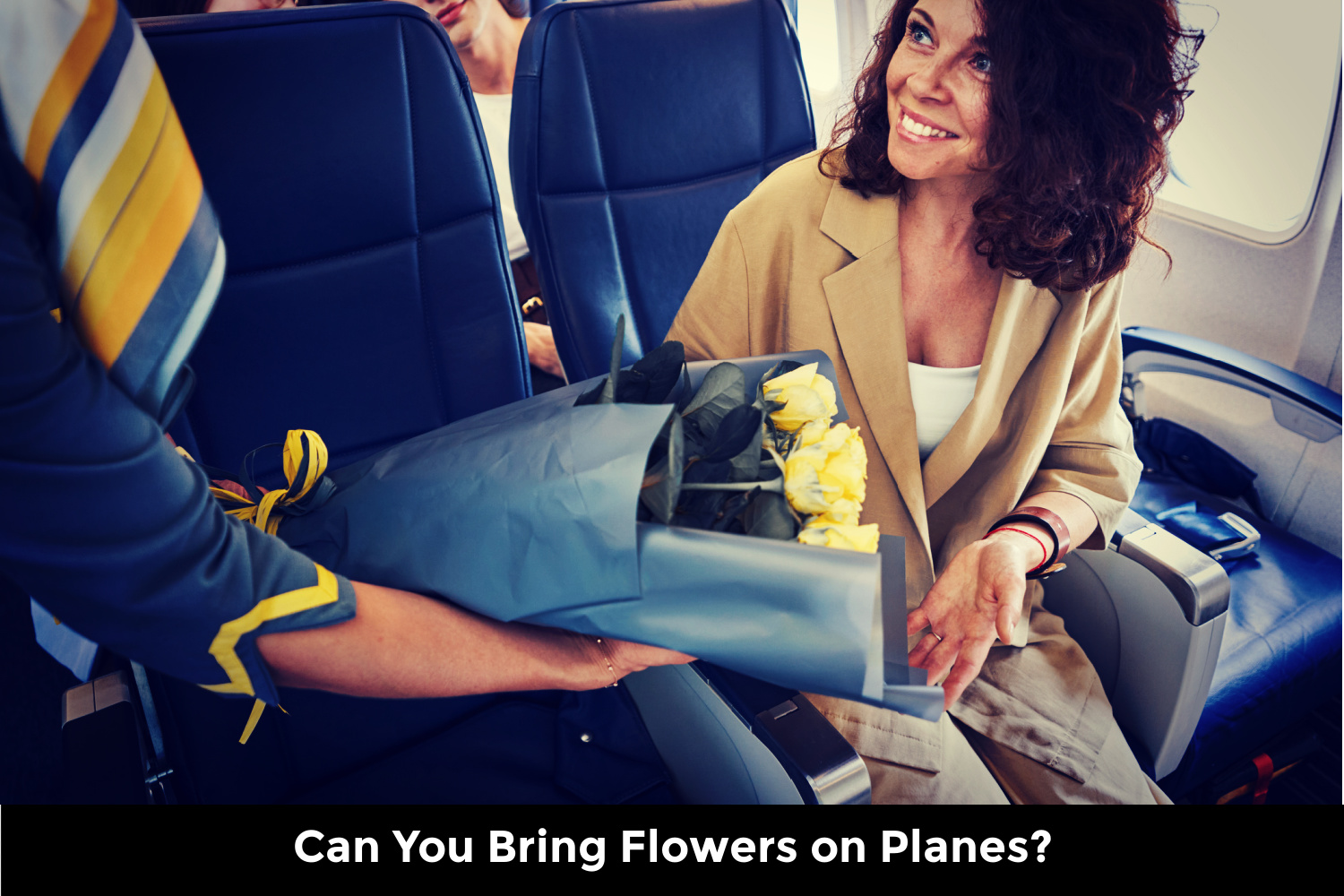
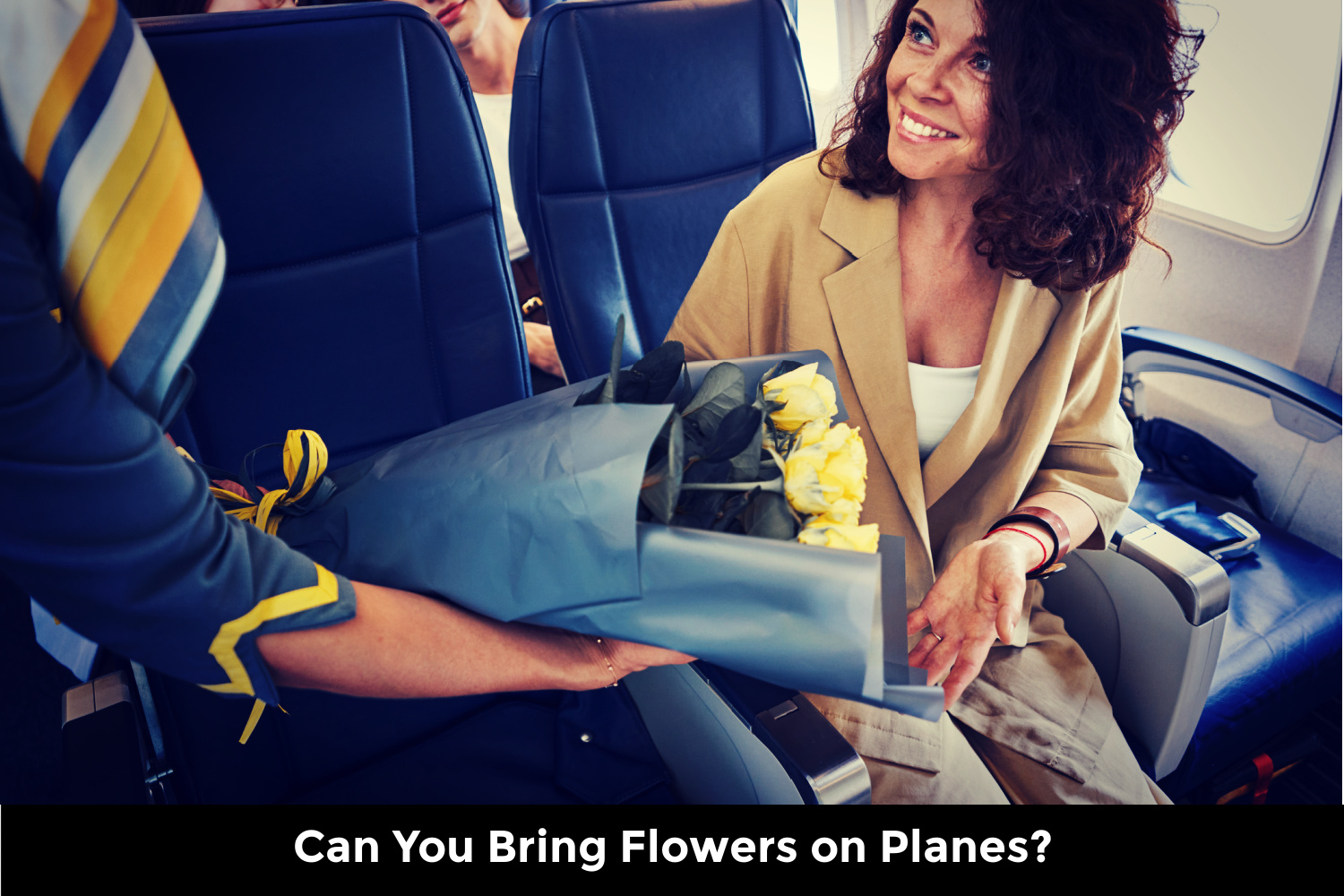
Airlines allow you to bring a bouquet of freshly-cut flowers on planes. But there are certain restrictions that you should know about.

Cut flowers are treated identically to any other plant. They’re allowed on domestic flights but not on most international ones. That’s because they may contain pests or diseases, or the flower species itself may be invasive. These bans exist because most countries want to protect their ecosystems from these risks.

Rules for Bringing Flowers on Domestic Flights

On almost all domestic flights across the world, you’re allowed to bring flowers in hand and checked baggage without any extra restrictions. If packed in hand luggage, they must be free of any water to be in line with the 3-1-1 rule for liquids in hand baggage. But other than that, there are no restrictions.

For example, when traveling within the US, TSA allows bringing flowers on planes. There only are some exceptions for flights to or from Hawaii, Puerto Rico, and the US Virgin Islands. That’s because they’re island states with unique and fragile ecosystems.

For example, Hawaii has banned the import of orchids, gladiolus, and a few other flowers. On flights to Puerto Rico and the US Virgin Islands, the rules are a bit more relaxed. Only citrus leaves and cotton plants are banned from flower bouquets.

Traveling with Flowers Internationally

Cut flowers are banned from many (but not all) international flights. The exact rules depend on each country’s agricultural and border/customs regulations. Generally, common flower species, like roses, lilies, peonies, and tulips are allowed if they’re free of soil, roots, and diseases.

Contrary to popular belief, airport security (before boarding the flight) doesn’t care about cut flowers. They don’t pose any security risks on the flight, so you’ll be allowed to pass through.

But upon landing, you’ll have to go through Customs and Immigration, which handles screening plants and animal products. You’ll have to declare that you’re transporting fresh flowers. You may be able to pass through, but not always. You won’t get into trouble for transporting cut flowers but you may be asked to discard them in the nearby trash bins.

On flights between the US and Canada, most flowers are allowed. A lot of common additions, like ferns, baby’s breath, and other ornamental grasses are also allowed.

On flights between the EU and the EU economic zone (EEZ), you’re also allowed to travel with freshly cut flowers. The only rule is that the flowers must originate from the EU (or EEZ).

If you’re dead set on transporting flowers to a certain country, you’ll have to go through some legal hoops. Most countries ask you to apply for a permit no later than 30 days before the flight. You’ll also need to get a Phytosanitary Certificate that shows the flower’s origins.

How to Pack Flowers for Travel

  • Prepare the bouquet. Cut off any excess leaves and shorten it as much as possible to save space.
  • Carefully wrap them in some newspaper.
  • When going through security, the flowers must be free of any water. So after going through security, dampen the cut ends to keep them from drying out. Go to a toilet in the airport and wrap a bit of damp toilet paper around the cut ends. Then put it all in a plastic bag and seal it with an elastic band.
  • Remember that flowers are always counted towards the hand baggage allowance. So they must follow the size restrictions for hand and checked baggage. 
  • If possible, pack flowers in your carry-on bag. If you’re carrying them separately, place them in the overhead bins only after everyone else has already stored their bags. This will ensure that they won’t get squished.

Summing Up – Traveling With Flowers

Traveling with Flowers may seem complicated at first, but it actually isn’t. If you want to gift them to someone as soon as you land, you’re most likely allowed to do that. Bringing common, freshly-cut flowers, like roses, tulips, and lilies usually doesn’t cause any issues. Just be sure to transport them carefully and wrap the cut ends in damp napkins after going through security.


Source link