Stop Paying for a VPN: Firefox Just Built One Right Into Your Browser


Privacy tools are usually locked behind a monthly subscription, but Mozilla is changing that by baking protection directly into the browsing experience. With the latest update, Firefox has added an integrated VPN that allows you to hide your digital tracks without needing a separate app or a credit card. It’s a major shift for the browser, moving a feature that used to be a paid extra into the hands of every user by default.

Keep in mind that free VPNs can be dangerous. If they’re not from a trusted provider, they can put your data at risk or include vulnerabilities you wouldn’t find in some of the more popular paid VPN services. 

In its post about the Firefox 149 updates, Mozilla notes, “Free VPNs can sometimes mean sketchy arrangements that end up compromising your privacy, but ours is built from our data principles and commitment to be the world’s most trusted browser.” 

In CNET’s tests, among VPN services that offer a free tier, the best free plan on the market is Proton VPN’s free service. (It’s the only free VPN CNET currently recommends.) But the free Proton VPN service is missing some features found in the company’s premium plan, such as the ability to choose a server manually or connect multiple devices at the same time. 

For limited or casual use

Mozilla’s overall VPN technology has undergone independent audits from Cure53, has resolved security issues over its history and uses WireGuard, which gives it a good security foundation. 

The browser-based free version may give the impression that it offers the same level of overall protection as a stand-alone VPN. However, it only protects web traffic viewed through the Firefox browser.

“The fundamental limitation is scope,” said Jacob Kalvo, a cybersecurity expert and CEO of Live Proxies, which provides technical services to businesses and individuals. “[The free Firefox VPN] only protects browser traffic, not apps, system processes or other network activity. That creates a false sense of ‘full protection’ for less technical users.”

That could make it a useful feature for casual use while browsing the web for those who don’t already have a VPN service. And Kalvo says the 50GB data limit is generous for a browser-based VPN.

But, he said, for anything involving “sensitive data, competitive intelligence, or large-scale operations,” he doesn’t recommend it.

“This is a controlled, limited-use product rather than a full privacy solution,” Kalvo said.


Source link

Leave a Reply

Subscribe to Our Newsletter

Get our latest articles delivered straight to your inbox. No spam, we promise.

Recent Reviews


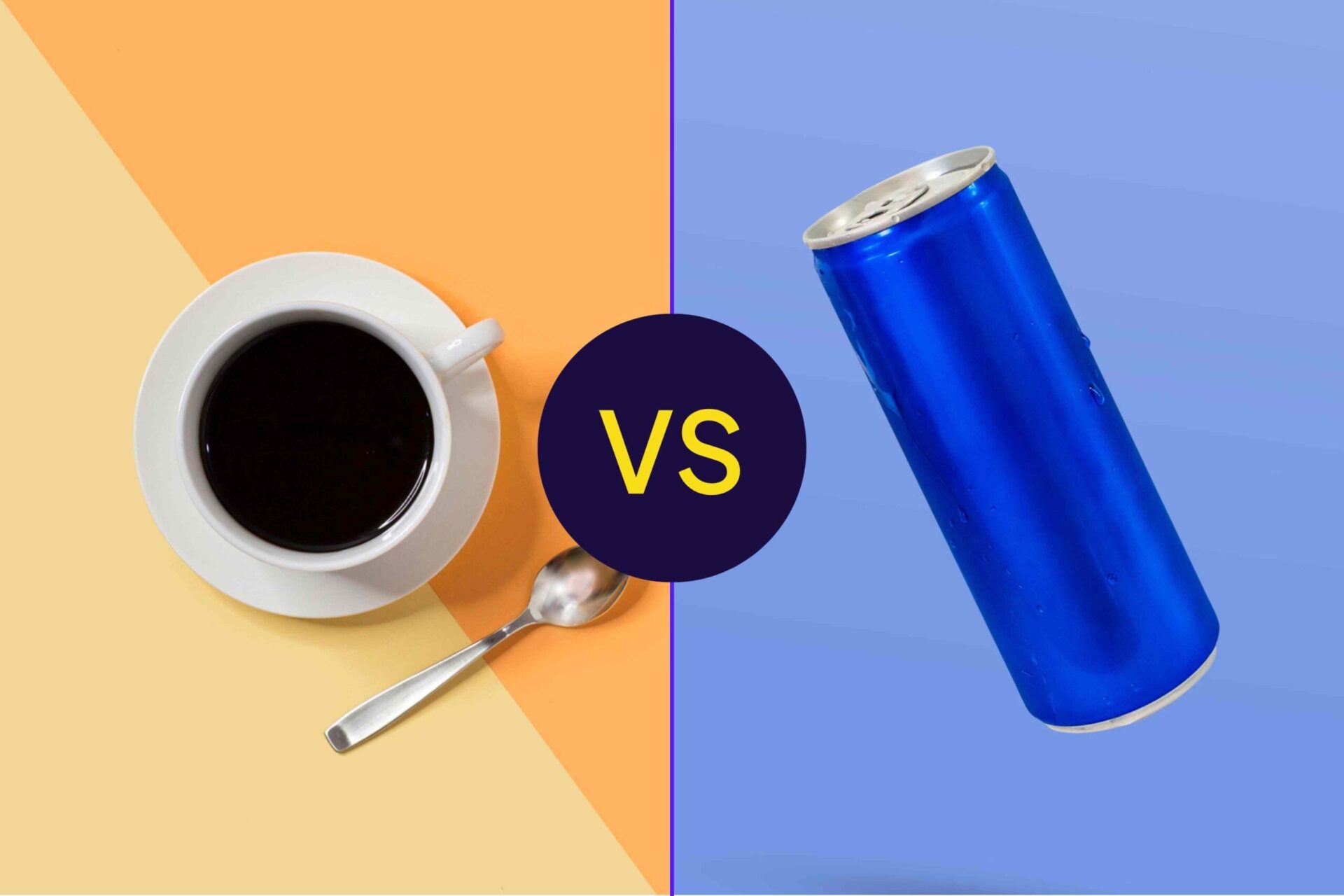
Coffee and energy drinks are popular sources of caffeine, but may have different health effects.Credit: Health / Getty Images
Coffee and energy drinks are popular sources of caffeine, but may have different health effects.
Credit: Health / Getty Images
  • Both coffee and energy drinks can vary in caffeine content.
  • Moderate caffeine consumption is recommended for reducing the risk to your heart.
  • Energy drinks have been shown to cause heart problems, but more research is needed.

Coffee and energy drinks are popular options for a quick energy boost. Both caffeinated beverages can support physical endurance, alertness, and reaction time. However, they can also increase heart rate, reduce steadiness, and increase your added sugar intake.

Which One Will Give You More Energy?

Coffee and energy drinks can both range in caffeine content, which can affect their impact on energy levels. Coffee drinks vary in caffeine based on the brew method and bean type, but on average, a cup (8 ounces) of coffee contains about 113-247 milligrams of caffeine.

Standard 16-ounce energy drinks can contain anywhere from 70 to 240 milligrams of caffeine. Concentrated 2-2.5 ounce energy shots pack about 113-200 milligrams of caffeine in a much smaller volume.

It's important to be aware of how much caffeine you’re consuming and check nutrition labels. However, energy drink manufacturers aren’t required to disclose the caffeine content.

Which Has a Greater Impact on Heart Health?

Research shows consuming high levels of caffeine can raise your blood pressure and heart rate, as well as affect your heart’s rhythm. This risk is especially high for children since their cardiovascular and nervous systems aren’t fully developed.

Coffee's effect on heart health is more widely researched than that of energy drinks. Evidence suggests that moderate coffee drinking can support heart health, while heavy consumption increases heart disease risk. How you prepare your coffee also affects the way it impacts your heart. Boiled coffee, like the kind you can make with a French press, can increase your cholesterol levels. High amounts of caffeine can also have negative effects on the heart, so many people with existing heart conditions choose decaf coffee out of caution.

Some case studies show that energy drink consumption can harm heart health, even in young people, but more research is needed to understand the mechanisms behind this. Some of the more severe cases include sudden death from drinking an energy drink.

What Other Ingredients, Besides Caffeine, Can Affect My Health? 

Coffee and energy drinks aren’t just pure caffeine. It’s important to consider their other ingredients when thinking about how they can impact your health. Early research suggests some of the cardiovascular effects of coffee and energy drinks may be more related to other ingredients than caffeine.

For example, energy drinks can contain a range of other ingredients, such as guarana (which contains additional caffeine), sugar, B vitamins, and other energy-boosting compounds. Both coffee drinks and energy drinks can contain high amounts of added sugar. Energy drinks can also interact with alcohol and prescription or illicit drugs, causing negative health effects.

Risks of Having Too Much Caffeine

Whether you choose coffee, an energy drink, or another caffeinated drink for your energy boost, it’s important to watch how much caffeine you’re consuming per day. Adults without underlying health conditions should limit their total caffeine intake per day to 400 milligrams. People who are pregnant or breastfeeding should stick to half of that limit, or about 200 milligrams. You can always check with your healthcare provider about your individual health status and their recommendations for your caffeine levels.

If you consume too much caffeine, you may notice:

  • A faster heart rate or a racing heart
  • High blood pressure
  • Trouble sleeping
  • Anxiety or jitters
  • Nausea or an upset stomach
  • Headache

If you’re choosing an energy drink, research suggests having only one drink at a time, with a max of two per day, for safer outcomes.


Source link