Medically reviewed by Daniel More, MD
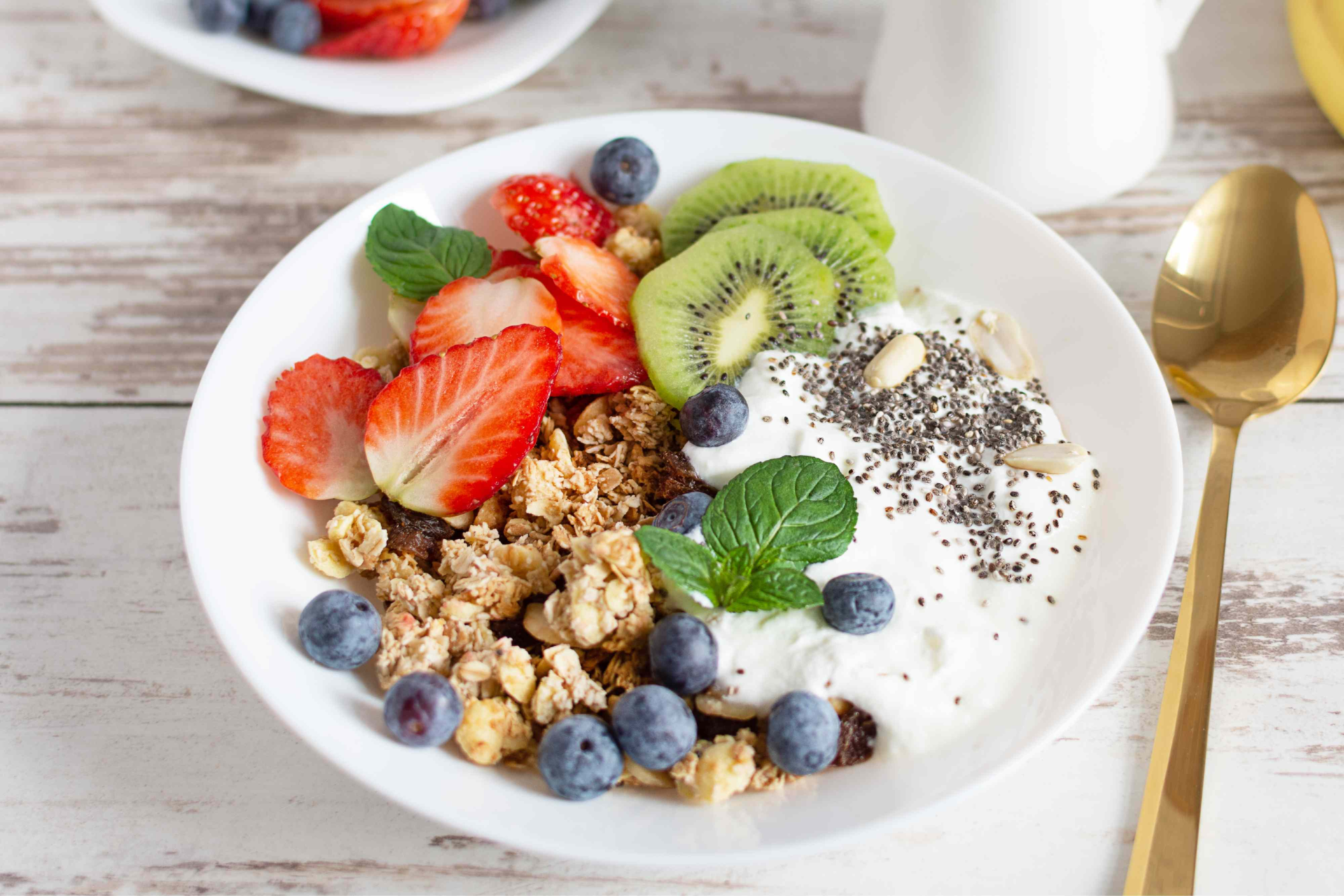
:max_bytes(150000):strip_icc():format(jpeg)/Health-GettyImages-1208666712-5bf86cfa367b4544a7cb30023339b987.png "A bowl with granola, yogurt, sliced strawberries and kiwi, blueberries, and chia seeds next to a gold spoon.")
Credit: Inna Dodor / Getty Images
- What you eat may influence how strongly your body reacts to allergens.
- Fiber, probiotics, omega-3s, and antioxidants in breakfast foods may help lower inflammation and allergy symptoms.
- In addition to dietary changes, closing windows, showering before bed, and medications can help you manage allergies.
Congestion, sneezing, a runny nose, and other bothersome allergy symptoms often peak in the early morning hours. Luckily, a healthy diet can support your gut, lessen inflammation, and provide other benefits that may influence how your body responds to allergens. Here are six breakfast foods that may help ease symptoms.
1. Oatmeal With Berries

Oatmeal is a great source of fiber—1 cup of quick oats contains about 4 grams. Research has shown that people (especially men) who report greater intake of fiber also tend to report having fewer allergy symptoms.
The connection between fiber and allergies likely has to do with fiber's effect on the gut. While unhealthy concentrations of bacteria in the gut have been linked to allergies, fiber helps feed good bacteria in the gastrointestinal tract, regulating the immune response as a result.
Fiber also helps maintain the integrity of your gut lining. A stronger gut barrier makes it harder for unwanted particles, including allergens, to pass into the bloodstream and trigger inflammation.
And if you're having oatmeal in the morning, consider adding berries for another layer of support. Berries themselves are high in fiber, plus they're packed with antioxidants called polyphenols. These plant compounds have anti-inflammatory effects and may influence immune responses involved in allergies.
2. Yogurt or Kefir

Yogurt and kefir are easy breakfast options that offer probiotics, or beneficial bacteria. These bacteria support your gut microbiome and may be able to help prevent or manage allergies. In fact, research suggests probiotics may improve symptoms across several allergic conditions, including allergic rhinitis (hay fever), asthma, and atopic dermatitis (eczema).
Like fiber-rich foods, probiotics have beneficial effects on the gut barrier, blocking more allergens from entering the bloodstream. Probiotics may also be able to balance and strengthen certain functions of the immune system.
3. Chia Seeds or Flaxseed

Chia seeds and flaxseed are both rich in omega-3 fatty acids, a type of healthy fat linked to lower inflammation.
These anti-inflammatory effects could make omega-3s beneficial for combatting allergies, which are considered inflammatory conditions. Omega-3s may also suppress allergy symptoms by helping the immune system react to potential triggers in a more balanced way.
4. Citrus Fruit or Kiwi

Citrus fruits and kiwis are rich in vitamin C, which has antioxidant properties that can boost your immune system.
Antioxidants, including vitamin C, can reduce oxidative stress, a state where the body has too many cell-damaging compounds. Oxidative stress is usually more common among people with allergies.
However, the real-world evidence is mixed. Vitamin C seems to be helpful for asthma symptoms. For allergic rhinitis (hay fever), small studies have suggested that vitamin C can reduce sneezing, itching, and other symptoms, but others have found no effect.
5. Eggs

Eggs are one of just a few foods that naturally contain vitamin D. This vitamin helps regulate the immune cells involved in allergic responses, including ones that drive inflammation.
In fact, some research suggests that vitamin D supplements may be associated with less severe allergy symptoms.
Based on the available evidence, treating vitamin D insufficiency could lower the risk of allergic rhinitis (hay fever) or help ease symptoms. However, results have been mixed, and more research on the topic is needed.
In the United States, it's common for people to have low vitamin D levels. Adding eggs to your breakfast is one practical way to boost your intake.
6. Apples

Apples—specifically apple peels—are a natural source of quercetin, an antioxidant plant compound that can affect immune activity.
Quercetin acts on mast cells, the immune cells that release histamine during allergic reactions. Histamines are responsible for symptoms like sneezing, itching, and watery eyes.
Quercetin may also affect some of the inflammation involved in allergic reactions, though most evidence comes from studies not done in humans.
How To Build an Allergy-Friendly Breakfast
No single food can eliminate allergy symptoms, but eating anti-inflammatory, gut-healthy, and antioxidant-rich foods at breakfast could help.
You don't need to overhaul your entire breakfast routine to do so—rather, start by combining two or three anti-allergy foods in a way that fits with what you already eat. For example, try the following:
- To support immune regulation, top fiber-rich oatmeal with chia seeds for omega-3s and blueberries for polyphenols.
- Pair yogurt with apple slices; this provides both gut-healthy probiotics and the antioxidant quercetin, which may influence histamine release.
- For a dose of immune system-regulating vitamins C and D, have a glass of orange juice, kiwi, or grapefruit alongside a plate of eggs.
Dietary changes aren't the only way to manage allergy symptoms—consider other lifestyle changes or treatments such as:
- Closing windows at home and in your car during peak allergy season
- Showering before bed to wash off any allergens from your skin or hair
- Talking to your doctor about starting antihistamines, nasal corticosteroids, or other over-the-counter allergy medications